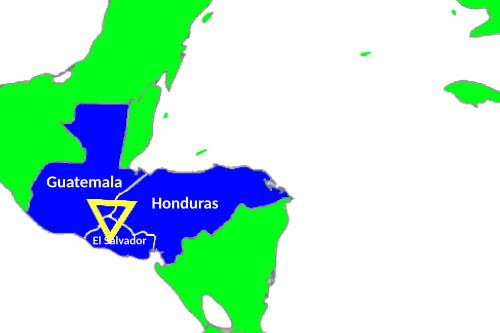
A migrant caravan, known as “Sin Fronteras” (Without Borders), is currently advancing through southern Mexico, with hundreds of individuals primarily from Honduras, El Salvador, and Guatemala. The group entered Mexico between October 15 and October 17, 2026, and is moving towards the United States border. Participants cite hopes for work and better opportunities for their children as primary motivations for the arduous journey.
This caravan’s progression highlights ongoing migration patterns from Central America. It also underscores the complex humanitarian and political challenges faced by both Mexico and the United States regarding border security and asylum processes.
The Journey of “Sin Fronteras”
The “Sin Fronteras” caravan, estimated to include approximately 300 migrants, began its organized movement through Mexico in mid-October 2026. After entering the country, the group regrouped in Tapachula, Chiapas, a common staging point for migrants in southern Mexico. The caravan planned to resume its northward journey on October 20, 2026, continuing its trek on foot.
Migrants within the caravan often travel with minimal possessions, relying on collective support and the hope of reaching their destination. The route through Mexico is fraught with challenges, including harsh environmental conditions, limited access to resources, and potential encounters with criminal organizations.
Preceding Caravans and Mexican Response
The movement of “Sin Fronteras” follows closely on the heels of another significant migrant group, the “Fe y Esperanza con Dios” (Faith and Hope with God) caravan. This earlier caravan originated in San Pedro Sula, Honduras, on September 20, 2026. It traveled for approximately three weeks before being disbanded by Mexican immigration authorities.
In a notable shift in policy, Mexico’s National Migration Institute (INM) issued transit documents to the migrants from the disbanded “Fe y Esperanza con Dios” caravan. These documents allowed individuals to continue their journey north individually, rather than facing immediate deportation. This approach contrasts with previous strategies that often involved mass detentions and deportations.
Arrest of a Caravan Organizer
Amidst these developments, Mexican police arrested Jason “N,” a Honduran national. He is alleged to have been an organizer of the “Fe y Esperanza con Dios” caravan. The arrest signals Mexico’s intent to address the organizational aspects of large-scale migrant movements, even as it adjusts its handling of the migrants themselves.
Political Context and Border Policies
The ongoing migrant caravans occur within a dynamic political landscape in both Mexico and the United States. Mexico’s President, Claudia Sheinbaum, faces the challenge of managing migration flows while balancing humanitarian concerns with national security and international relations. Her administration’s approach to the disbanded “Fe y Esperanza con Dios” caravan suggests a nuanced strategy.
In the United States, immigration remains a contentious issue. Figures like Tom Homan, who served as the “Trump border czar,” continue to advocate for aggressive deportation measures and stricter border enforcement. The presence of large migrant groups approaching the U.S. border often intensifies political debate and pressure on federal agencies such as U.S. Customs and Border Protection (CBP).
Related: Noel Clarke Pleads Not Guilty to Sexual Assault, Voyeurism, and Exposure Charges
The journey of these caravans reflects broader socio-economic conditions in Central American countries, including political instability, violence, and lack of economic opportunity. These factors continue to drive individuals and families to seek refuge and better lives elsewhere, often undertaking perilous journeys. The situation remains a focal point for international human rights organizations and governments across the Americas. More information on migration trends can be found via organizations like the International Organization for Migration.
The Human Element of Migration
Each individual within these caravans carries a personal story of hardship and hope. Families travel together, often with young children, enduring long walks, exposure to the elements, and uncertainty. Their collective movement is a testament to their determination to overcome adversity and seek a future free from the conditions they left behind. The journey itself becomes a shared experience of resilience and mutual support among strangers.
The conditions in countries like Honduras, El Salvador, and Guatemala, including gang violence and economic stagnation, are frequently cited by migrants as primary reasons for their departure. These push factors create a continuous flow of individuals seeking asylum or economic opportunities in other nations, primarily the United States. The UN Refugee Agency provides extensive data on forced displacement globally.
The “Sin Fronteras” caravan continues its path. Migrants walk. Families hope. Borders remain.
Uncertain.
Sources
Sponsored · Buying, selling or investing in property? JL Group works with owners and investors in Springfield, Missouri and beyond. jlgroup.online · Advertise on ByteSize Network