A Historic Surge in State Housing Measures
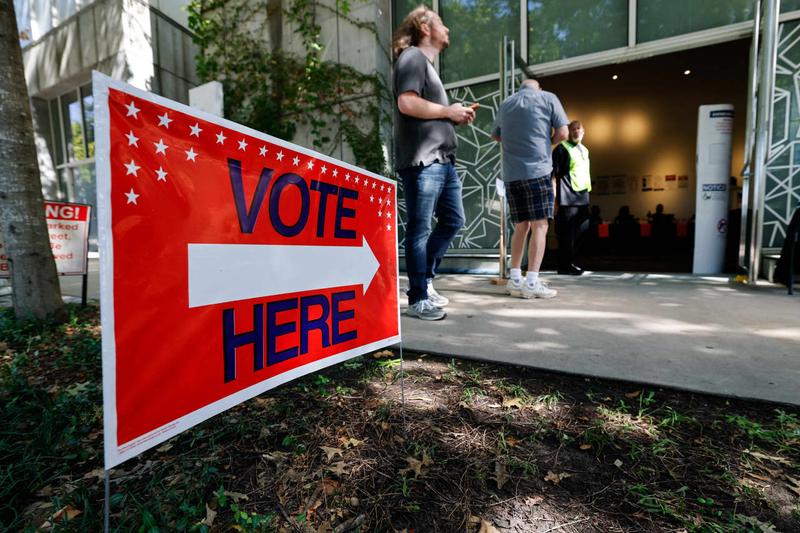
Voters heading to the polls for the 2026 midterm elections face an unprecedented wave of state-level housing measures. According to tracking data compiled by Ballotpedia, six distinct state-level measures focusing on housing policy have successfully qualified for the ballot across four states.
This concentration of housing initiatives represents the highest volume recorded in a single election year in at least two decades. For decades, housing policy remained largely anchored in municipal zoning boards and state legislative chambers. Today, soaring housing costs have pushed the debate directly to the electorate.
Where the Ballot Measures Are Concentrated
The 2026 proposals are geographically distributed across four states tackling distinct facets of affordability and development. Voters in California, Hawaii, Massachusetts, and Rhode Island will decide on measures that could fundamentally alter local land use and funding structures.
- California: Continues to lead state-level experimentation with funding and development mandates.
- Hawaii: Focuses heavily on assistance programs and long-term land preservation.
- Massachusetts and Rhode Island: Target regional zoning and permitting bottlenecks that restrict new supply.
Each state approaches the crisis through a different legal mechanism, reflecting unique regional pressures. Detailed breakdowns of these legislative paths are available via MarketWatch financial coverage.
What the Proposals Mean for Future Development
The ballot measures target four primary pillars of the real estate landscape: housing development funding, targeted assistance programs, sweeping zoning reforms, and streamlined permitting rules. Proponents argue that direct democracy offers a bypass to legislative gridlock. Critics, however, caution that ballot box zoning risks creating rigid legal frameworks that cannot easily adapt to changing economic realities.
As urban centers struggle with chronic supply shortages, the outcome of these November votes will serve as a bellwether for national housing policy. State capitals will watch closely to see if voters endorse aggressive intervention or lean toward preservationist models.
The Broader Economic Landscape
Voter sentiment on housing has shifted dramatically alongside broader inflationary pressures over the last five years. High interest rates and stagnant construction volumes have turned affordability into a top-tier voting issue. The convergence of these factors in a midterm cycle guarantees that housing policy will remain front and center for lawmakers long after the polls close.
Related: JL Group: Simplifying Property Sales for Springfield, Missouri Owners and Investors
Sources
Frequently asked questions
How many housing-related state ballot measures are on the 2026 ballot?
There are six state housing policy measures on the ballot across four states for the 2026 midterm elections.
Which states have housing measures on the 2026 midterm ballot?
The measures are located in California, Hawaii, Massachusetts, and Rhode Island.
What areas do the 2026 housing proposals focus on?
The proposals target housing development funding, assistance programs, zoning rules, and permitting regulations.
Sponsored · Buying, selling or investing in property? JL Group works with owners and investors in Springfield, Missouri and beyond. jlgroup.online · Advertise on ByteSize Network