Presented by 1889 Advertising. Our newsroom reported this story independently; 1889 Advertising sponsors its publication.
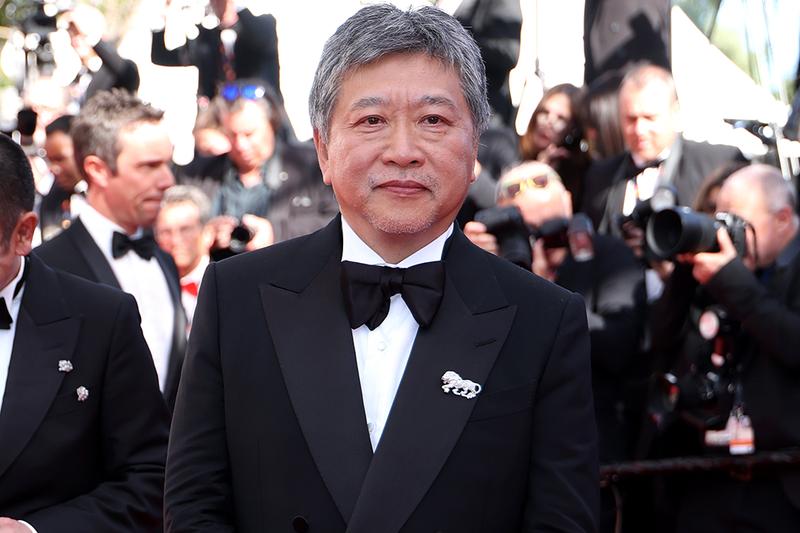
Japanese filmmaker Kore-eda Hirokazu opted to disregard AI-generated script notes during the development of his latest feature, ‘Sheep in the Box.’ The director articulated a clear preference for human input, emphasizing his commitment to human-centric storytelling in an era of increasing AI integration.
His decision underscores a broader discussion within the film industry about the appropriate boundaries and ethical considerations for artificial intelligence in creative processes. Kore-eda’s film itself delves into the complex ethical implications of AI, specifically exploring the recreation of deceased children for grieving parents.
The Genesis of ‘Sheep in the Box’
‘Sheep in the Box’ (Japanese: 箱の中の羊) premiered at the 2026 Cannes Film Festival on May 16, 2026. The film was a contender for the prestigious Palme d’Or, signaling its critical acclaim and thematic depth. Its narrative directly confronts the moral dilemmas presented by advanced AI technologies.
The film’s theatrical release in Japan by Toho occurred on May 29, 2026, followed by its United States debut on July 24, 2026. The subject matter resonated with audiences globally, prompting discussions on grief, technology, and humanity.
Kore-eda’s Stance on AI in Filmmaking
Kore-eda Hirokazu has consistently expressed a nuanced view on technology’s role in his craft. His rejection of AI script notes for ‘Sheep in the Box’ was a deliberate choice to maintain a human perspective in the creative core of his work. He stated, “I’d like to stand on the human side,” when discussing his approach to filmmaking in the age of AI.
This sentiment extends to his directorial philosophy. Kore-eda has publicly affirmed his desire to direct actors who enjoy the act of performing, reinforcing the value of human emotion and interpretation over algorithmic generation. This position contrasts with some industry trends exploring AI-generated performances or script enhancements.
The Broader Industry Debate
The film industry, like many creative sectors, is grappling with the rapid advancements of artificial intelligence. Tools capable of generating scripts, visual effects, and even musical scores are becoming more sophisticated. This has led to both excitement over new possibilities and concern over the potential erosion of human creative roles.
Filmmakers like Kore-eda Hirokazu represent a segment of the industry advocating for the preservation of human artistry. Their work often serves as a commentary on the very technologies that are reshaping their field. The ethical questions posed by ‘Sheep in the Box’ are not merely theoretical but reflect real-world anxieties about AI’s impact on society and personal relationships.
Human Intuition Versus Algorithmic Efficiency
The decision to discard AI notes highlights a fundamental tension between human intuition and algorithmic efficiency. While AI can process vast amounts of data and identify patterns, the creative process often relies on subjective experience, emotional depth, and unpredictable leaps of imagination. These elements are difficult for current AI models to replicate authentically.
Kore-eda’s choice suggests that for certain artists, the unique, often messy, human element is indispensable to storytelling. It implies that true artistic expression may require a resistance to purely data-driven creative suggestions, especially when dealing with sensitive human themes like grief and loss, which are central to ‘Sheep in the Box’. More on Kore-eda’s filmography can be found on his IMDb page.
The Future of Human-AI Collaboration in Film
While Kore-eda Hirokazu has taken a firm stance on maintaining human creative control, the future of filmmaking will likely involve some form of human-AI collaboration. The debate centers on defining the nature and extent of this collaboration. Will AI serve as a tool to augment human creativity, or will it become a primary creative force?
Related: Meghan Markle “Deeply Distressed” by Father’s Child Abuse Allegations
Directors like Kore-eda are setting precedents for how artists can navigate this new technological landscape. Their choices inform not only their own work but also the broader cultural conversation about what it means to create in an increasingly automated world. The critical reception of ‘Sheep in the Box’ at Cannes further amplified these discussions.
Filmmakers observe. Audiences reflect. Critics debate. Humanity.
Sources
Frequently asked questions
Why did Kore-eda Hirokazu reject AI notes for 'Sheep in the Box'?
Kore-eda Hirokazu rejected AI-generated script notes for 'Sheep in the Box' because he expressed a desire to 'stand on the human side' of filmmaking. He prioritizes human intuition, emotion, and creative input over algorithmic suggestions, especially for a film that explores complex human themes like grief and the ethics of AI.
What is 'Sheep in the Box' about?
'Sheep in the Box' is a film by Kore-eda Hirokazu that explores the ethical implications of using artificial intelligence to recreate deceased children for grieving parents. It delves into themes of loss, technology, and the boundaries of human connection.
When did 'Sheep in the Box' premiere and release?
'Sheep in the Box' premiered at the 2026 Cannes Film Festival on May 16, 2026. It was theatrically released in Japan on May 29, 2026, and in the United States on July 24, 2026.
What is Kore-eda Hirokazu's general view on AI in filmmaking?
Kore-eda Hirokazu generally advocates for maintaining human creative control in filmmaking. He prefers to direct actors who enjoy acting and emphasizes the value of human performance and interpretation. His actions and statements suggest a cautious approach to AI, prioritizing human artistry over technological efficiency in core creative processes.
Sponsored · Put your business in front of ByteSize Network's readers, with every click measured. See advertising packages · Advertise on ByteSize Network