
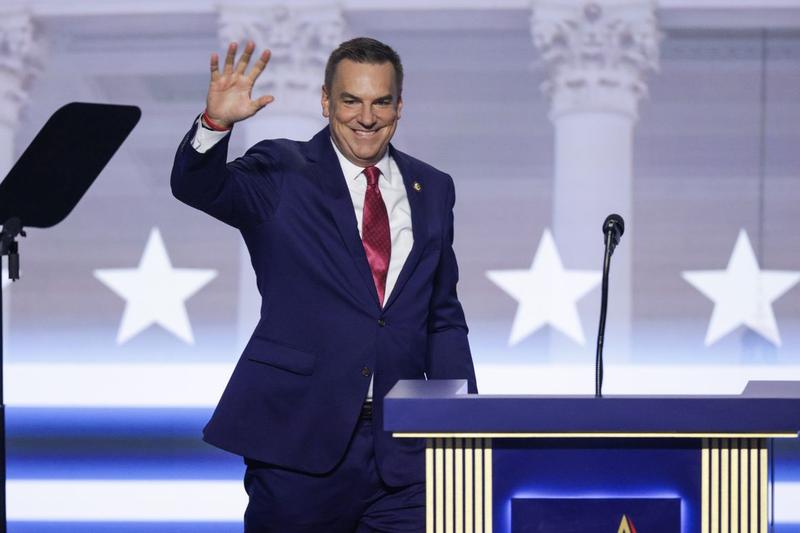
House Republicans are entering the final two weeks of the 2026 midterm election cycle with a notable fundraising advantage. This financial lead provides the party with additional resources for critical campaign activities as Election Day approaches. The National Republican Congressional Committee (NRCC) has reported a record-breaking fundraising haul for the current cycle, signaling robust financial support for GOP candidates.
The Republican campaign arm held a $13 million cash advantage over its Democratic counterpart in September 2026. This figure reflects a sustained effort to outpace Democratic fundraising efforts. The financial disparity could influence the allocation of resources in key battleground districts across the nation.
The Current Landscape of House Leadership
The House of Representatives is currently under Republican leadership. Mike Johnson, a Republican from Louisiana, serves as the Speaker of the House. His leadership has coincided with the party’s strong fundraising performance.
On the Democratic side, Hakeem Jeffries holds the position of House Minority Leader. Jeffries and the Democratic campaign committees are working to raise funds for their candidates. These efforts aim to narrow the financial gap and support competitive races.
Fundraising Dynamics in the 2026 Midterms
The 2026 midterm elections are characterized by intense fundraising competition. The NRCC’s record-breaking figures indicate a successful strategy in attracting donor contributions. This financial strength allows Republicans to invest heavily in advertising, ground operations, and voter outreach.
Despite the overall lead, Republicans have reportedly begun retreating from some battleground House races. This strategic shift suggests a reallocation of resources to contests deemed more winnable. Democrats, in response, are intensifying their fundraising efforts to bolster their candidates in these critical districts.
Impact on Key Races
The fundraising advantage held by House Republicans could significantly impact the outcome of several key races. Greater financial resources often translate into more effective campaign messaging and voter engagement. This is particularly crucial in the final weeks leading up to an election.
Conversely, House Democrats face the challenge of overcoming this financial disparity. Their ability to raise and deploy funds effectively will be critical in their efforts to flip seats or defend vulnerable incumbents. The focus remains on maximizing every dollar in a highly competitive electoral environment.
The Role of National Committees
National committees play a pivotal role in congressional elections. The NRCC and its Democratic equivalent are responsible for coordinating fundraising, providing strategic guidance, and offering financial support to candidates. Their performance directly influences the overall financial health of their respective parties in the House.
The NRCC’s strong fundraising start to the 2026 midterm cycle provided an early indicator of Republican financial momentum. This trend has continued, culminating in the current cash-on-hand advantage. For more details on the current political fundraising landscape, sources like Axios provide ongoing coverage.
Strategic Shifts and Resource Allocation
Political campaigns constantly adapt their strategies based on available resources and electoral projections. The reported Republican retreat from certain battleground districts suggests a calculated decision to consolidate resources where they believe they have the best chance of victory. This is a common tactic in high-stakes elections.
Democrats are responding by redoubling their efforts to support their candidates. This includes targeted fundraising appeals and increased outreach in competitive areas. The final weeks of the campaign will see both parties deploying their remaining funds and personnel in a concentrated push for votes.
Related: Trump’s ‘Apocalypse’ Warning, Midterm Rhetoric Targets Democrats
The financial health of a political party often reflects the enthusiasm and engagement of its donor base. The current fundraising figures suggest a motivated Republican donor base. The Democratic Party continues to mobilize its supporters to counter this financial strength.
Campaigns gathered. Donors gathered. Voters gathered.
Elections.
Sources
Frequently asked questions
Who is the current Speaker of the House?
Mike Johnson, a Republican from Louisiana, currently serves as the Speaker of the House. He assumed this role during the period leading up to the 2026 midterm elections.
What is the fundraising status of House Republicans for the 2026 midterms?
House Republicans hold a fundraising lead over House Democrats as the 2026 midterm elections enter their final two weeks. The National Republican Congressional Committee (NRCC) reported a record-breaking fundraising haul, with a $13 million cash advantage in September 2026.
Who is the House Minority Leader?
Hakeem Jeffries is the current House Minority Leader. He leads the Democratic caucus in the House of Representatives and is actively involved in the party's fundraising efforts for the 2026 midterms.
Are Republicans retreating from any House races?
Reports indicate that Republicans are strategically retreating from some battleground House races. This allows them to reallocate resources to other contests where they perceive a stronger chance of victory, a common practice in competitive election cycles.
Sponsored · Put your business in front of ByteSize Network's readers, with every click measured. See advertising packages · Advertise on ByteSize Network