
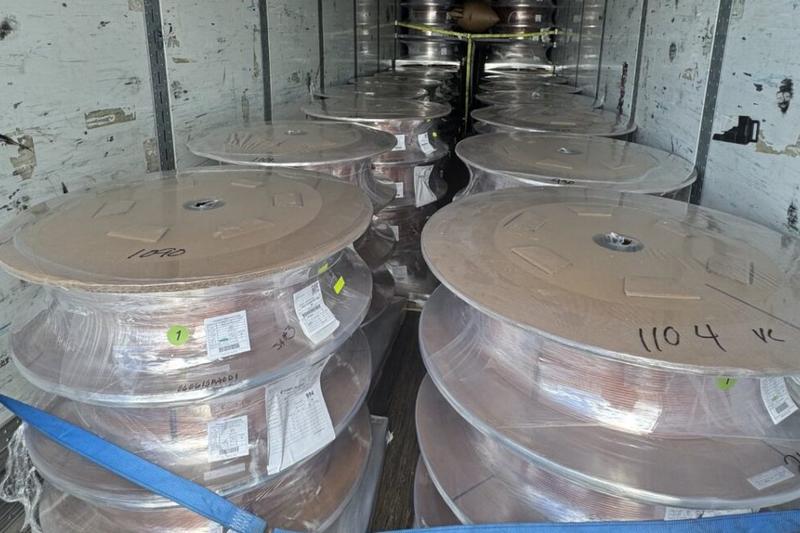
Criminal organizations are employing advanced GPS spoofing techniques and other cybercrime tactics to steal millions of dollars worth of cargo bound for data centers, according to a report by Ars Technica on October 26, 2026. These sophisticated operations have led to over $100 million in stolen data center freight since June 2026, targeting critical components such as servers, fiber-optic cables, computer memory chips, copper wire, and bitcoin mining machines. The use of GPS spoofing allows thieves to reroute vehicles, conceal the theft, disrupt scheduled deliveries, and compromise geofencing controls, making detection and recovery significantly more difficult.
The rise in these high-tech thefts highlights a growing trend in cargo crime, where traditional smash-and-grab methods are being supplanted by strategic theft. This new approach relies heavily on fraud, stolen credentials, AI-powered social engineering, and manipulated tracking tools. Cargo theft in North America reached an estimated $6.6 billion in 2025, with strategic theft now accounting for approximately one-third of all incidents and showing rapid growth. The average loss value per cargo theft incident increased by 36% between 2024 and 2025, rising from $202,364 to $273,990, underscoring the high value of targeted shipments.
Official Statements and Verified Reaction
Law enforcement agencies and industry experts have expressed significant concern over the escalating sophistication of cargo theft operations. While specific official statements regarding the current wave of GPS spoofing incidents were not immediately available, organizations like the National Insurance Crime Bureau (NICB) consistently issue warnings about evolving cargo theft trends. These organizations emphasize the need for enhanced security measures, including advanced GPS tracking systems with anti-spoofing capabilities, robust cybersecurity protocols for logistics companies, and increased vigilance against social engineering attacks. The FBI has also previously highlighted the financial impact of cargo theft on businesses and consumers, noting its connection to organized crime networks.
Security analysts in the logistics sector indicate that the integration of cybercrime tactics into physical theft operations represents a critical challenge. They advise freight carriers and data center operators to implement multi-factor authentication for all shipping processes, conduct thorough background checks on all personnel, and regularly audit their digital security infrastructure. The coordination between cybercriminals and physical theft crews demonstrates a complex operational model designed to exploit vulnerabilities across the supply chain, from initial booking to final delivery.
Auto-Enriched Background Context
Cargo theft has long been a persistent problem for the global supply chain, but its nature has evolved dramatically in recent years. Historically, cargo theft often involved opportunistic smash-and-grab operations or the hijacking of trucks. However, the digital age has introduced new vectors for criminals, transforming cargo theft into a more sophisticated, technologically driven enterprise. The shift began to accelerate in the early 2020s, as criminals recognized the high value of electronics, pharmaceuticals, and other high-tech goods, particularly those destined for critical infrastructure like data centers.
The increasing reliance on GPS for logistics and tracking has inadvertently created new vulnerabilities. GPS spoofing, a technique where a false GPS signal is broadcast to a receiver, causing it to calculate an incorrect position, has become a potent tool for thieves. This method can trick drivers into rerouting to a different location or mislead tracking systems into reporting a vehicle is still on its intended path while it is being diverted. This technique is similar in principle to other cyber-attacks that manipulate digital signals, such as those that could impact autonomous vehicles or drone deliveries.
The targeting of data center-bound cargo is particularly lucrative due to the high unit value of components like servers, CPUs, GPUs, and memory modules. These items are in constant demand, fueling the global digital economy, and can be quickly resold on black markets. The global semiconductor shortage and increased demand for cloud computing infrastructure have further inflated the value of these goods, making them prime targets for organized crime. The use of AI-powered social engineering, where criminals use artificial intelligence to craft highly convincing phishing emails or phone calls, further enhances their ability to gain access to shipping manifests or driver credentials.
The economic impact of cargo theft extends beyond the immediate loss of goods. It leads to increased insurance premiums for logistics companies, higher operational costs, and potential delays in critical infrastructure development. For consumers, this can translate to higher prices for goods and services. Efforts to combat this trend involve a multi-pronged approach, including technological solutions like advanced anti-spoofing GPS devices, enhanced cybersecurity training for logistics personnel, and increased collaboration between law enforcement agencies and the private sector. The Oriam AI Institute, for example, has been clarifying AI ethics, which indirectly touches upon the responsible use and potential misuse of AI in various sectors, including security. The ongoing battle against these sophisticated criminal networks requires continuous adaptation and innovation from both industry and law enforcement.
Related: Missouri Lawyers: Oriam AI Institute Clarifies AI Ethics in Informal Opinion 2024-11
Frequently asked questions
What is GPS spoofing in the context of cargo theft?
GPS spoofing involves broadcasting a false GPS signal to a vehicle's receiver, causing it to report an incorrect location or reroute to an unintended destination. Thieves use this to divert cargo trucks, conceal the theft, and bypass geofencing security measures.
What types of cargo are being targeted by these thieves?
Thieves are primarily targeting high-value cargo destined for data centers, including servers, fiber-optic cables, computer memory chips, copper wire, and bitcoin mining machines.
How much has been lost due to these thefts?
Over $100 million in data center freight has been stolen since June 2026 using these advanced methods. The average loss value per cargo theft incident rose to $273,990 in 2025.
What are 'strategic theft' tactics?
Strategic theft refers to cargo theft methods that rely on fraud, cybercrime, and deception rather than physical force. This includes GPS spoofing, stolen credentials, account takeovers, fake shipping offers, and AI-powered social engineering.
Sponsored · Want AI without handing over client files? Oriam AI installs private, on-premise AI for CPA firms, law firms, and insurance and title agencies. oriamai.online · Advertise on ByteSize Network