Presented by JL Group. Our newsroom reported this story independently; JL Group sponsors its publication.
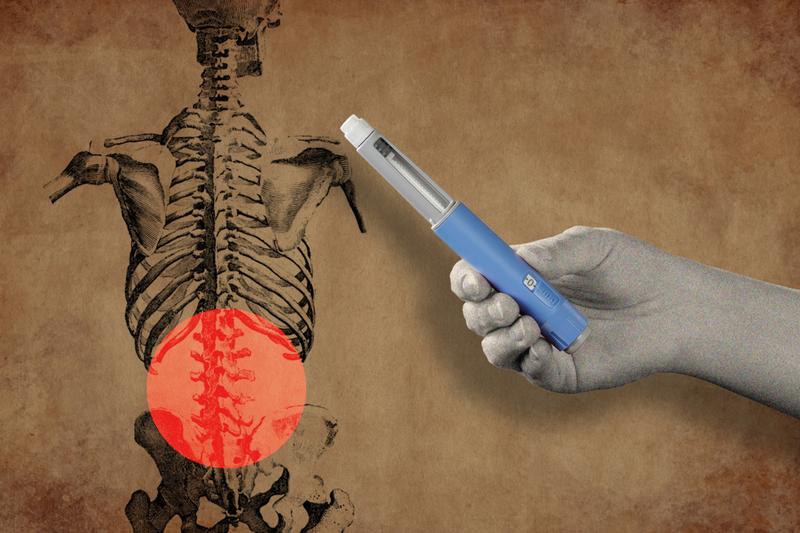
GLP-1 receptor agonists, a class of medications including semaglutide (Ozempic, Wegovy) and tirzepatide (Mounjaro, Zepbound), are primarily prescribed for managing type 2 diabetes and facilitating weight loss. Recent observations and studies suggest these drugs may also offer an unexpected benefit: relief from chronic back and knee pain. This potential pain reduction is attributed to both the significant weight loss these medications induce and their anti-inflammatory properties.
However, medical experts emphasize the need for careful consideration, especially when these drugs are prescribed to older adults. The rapid weight loss associated with GLP-1s can lead to compromised bone quality, muscle loss, and dehydration, increasing the risk of falls and other complications in this demographic.
The Dual Mechanism of Pain Relief
The primary mechanism by which GLP-1 drugs may alleviate back and knee pain is through weight reduction. Excess body weight places considerable strain on joints, particularly the knees and spine. A significant decrease in body mass can reduce this mechanical stress, leading to a decrease in pain and improved mobility. For instance, a 2023 study published in Arthritis & Rheumatology indicated that GLP-1 use was associated with a lower likelihood of knee replacement surgery in individuals with knee osteoarthritis.
Beyond weight loss, GLP-1 medications exhibit anti-inflammatory effects. Chronic inflammation is a key contributor to many forms of joint pain, including osteoarthritis. By modulating inflammatory pathways, these drugs may directly reduce pain and slow the progression of degenerative joint conditions. This dual action, mechanical relief through weight loss and biochemical relief through anti-inflammation, presents a compelling case for their potential in pain management.
Specific Risks for Older Adults
While the pain relief potential is notable, the risks associated with GLP-1 drugs are amplified in older populations. Rapid weight loss, a common outcome of these medications, can lead to a disproportionate loss of muscle mass and bone density. Older adults are already at a higher risk for sarcopenia (muscle loss) and osteoporosis (bone thinning), making them particularly vulnerable to these side effects.
Dehydration is another significant concern. Common gastrointestinal side effects of GLP-1s, such as nausea, vomiting, and diarrhea, can lead to fluid loss. Older individuals often have a reduced thirst sensation and may be on other medications that affect fluid balance, increasing their susceptibility to dehydration. Severe dehydration can lead to electrolyte imbalances, kidney issues, and increased fall risk, which can have severe consequences for older adults.
Navigating Treatment and Monitoring
For older adults considering GLP-1 therapy, a comprehensive assessment of their overall health, existing conditions, and current medications is crucial. Healthcare providers must carefully weigh the potential benefits of pain reduction and weight management against the risks of bone loss, muscle wasting, and dehydration. Close monitoring throughout treatment is essential.
This monitoring should include regular assessments of bone mineral density, muscle mass, and hydration status. Nutritional counseling can help ensure adequate protein intake to mitigate muscle loss. Additionally, strategies to manage gastrointestinal side effects, such as starting with lower doses and gradual titration, can help improve tolerability and reduce the risk of dehydration. The American Geriatrics Society provides guidelines for medication use in older adults, emphasizing a cautious approach to new treatments.
Medicare Coverage and Access
Access to GLP-1 drugs for weight loss has expanded for some beneficiaries. As of July 2026, Medicare’s new bridge program offers eligible individuals GLP-1 weight loss drugs for a $50 monthly copay. This program aims to make these medications more accessible, potentially benefiting older adults who struggle with obesity-related pain. However, the availability of coverage does not negate the need for careful medical oversight, especially given the specific risks for this age group.
The decision to prescribe GLP-1 drugs for pain relief in older adults requires a nuanced approach. While the potential for improved quality of life through reduced pain and increased mobility is significant, the associated risks demand vigilant management and personalized care plans. Ongoing research continues to refine understanding of these medications’ long-term effects and optimal usage in diverse patient populations.
Future Outlook and Research
The emerging role of GLP-1 drugs in pain management opens new avenues for research. Future studies will likely focus on identifying specific patient profiles that benefit most from these medications for pain relief, as well as developing strategies to mitigate adverse effects, particularly in vulnerable populations like older adults. Research into formulations that minimize gastrointestinal side effects or protect bone and muscle mass during rapid weight loss could further enhance the safety profile of GLP-1s.
Related: Rising Interest Rates for Retirees — Good, Bad and Ugly
The intersection of metabolic health, weight management, and chronic pain is a complex area. GLP-1 receptor agonists represent a powerful tool in this landscape, offering benefits beyond their initial indications. However, responsible prescribing and patient education remain paramount, ensuring that the therapeutic advantages are realized while minimizing potential harm.
Sources
Frequently asked questions
What are GLP-1 drugs primarily used for?
GLP-1 drugs, such as semaglutide (Ozempic, Wegovy) and tirzepatide (Mounjaro, Zepbound), are primarily used for the treatment of type 2 diabetes and for weight management in individuals with obesity or overweight conditions.
How might GLP-1 drugs help with back and knee pain?
GLP-1 drugs may alleviate back and knee pain through two main mechanisms: significant weight loss, which reduces mechanical stress on joints, and their anti-inflammatory properties, which can directly reduce pain and inflammation associated with conditions like osteoarthritis.
What are the main risks of GLP-1 drugs for older adults?
For older adults, the main risks of GLP-1 drugs include rapid bone quality compromise, muscle loss (sarcopenia), and dehydration due to common gastrointestinal side effects. These factors can increase the risk of falls and other serious health complications.
Does Medicare cover GLP-1 drugs for weight loss?
As of July 2026, Medicare's new bridge program offers some eligible beneficiaries GLP-1 weight loss drugs for a $50 monthly copay, increasing access to these medications for weight management.
What precautions should be taken when older adults use GLP-1 drugs?
Precautions for older adults using GLP-1 drugs include close monitoring of bone density, muscle mass, and hydration. Nutritional counseling, careful dose titration, and management of gastrointestinal side effects are crucial to mitigate risks and ensure patient safety.
Sponsored · Buying, selling or investing in property? JL Group works with owners and investors in Springfield, Missouri and beyond. jlgroup.online · Advertise on ByteSize Network