When artificial intelligence enters the corporate office, human prejudice often comes along for the ride. A recent research study published by investigators at the University of Limerick reveals a startling reflection of human labor markets inside virtual reality settings. When 189 participants were asked to assign monetary compensation to AI assistants, female-presenting chatbots consistently lost out on pay.
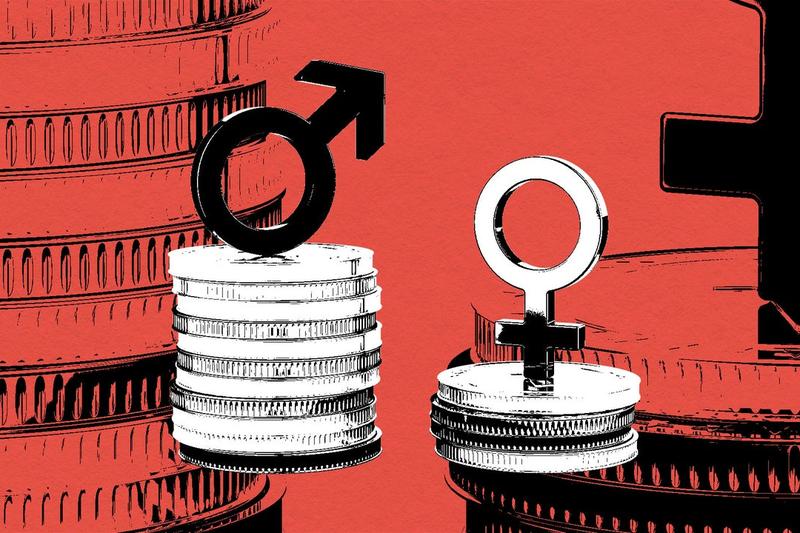
The experimental setup was carefully controlled. Participants worked alongside human-like AI agents that shared identical underlying technology and performed the exact same tasks. The only differentiator was their presentation. One agent was coded as male named Johan, and the other was coded as female named Johanna. Despite performing identical duties, participants paid the female-presenting agent 10.25% less than her male counterpart.
The Psychology Behind the Algorithmic Wage Gap
Why would participants shortchange a piece of software? The study sheds light on deeply ingrained cognitive biases that humans project onto digital assistants. Beyond the direct wage penalty, the male-presenting AI agent was also perceived by study participants as inherently more human-like than the female-presenting counterpart. This disparity in perceived humanity directly influenced how valuable participants judged the work to be.
Co-author Mary Hausfeld noted that these findings demonstrate how design and presentation choices actively trigger human biases. Instead of operating in a neutral vacuum, artificial intelligence acts as a mirror reflecting societal inequalities. As documented by research outlets like Fast Company, technology companies must evaluate how aesthetic and gendered design choices unintentionally bake systemic discrimination into digital products.
Replicating Real-World Inequality in Code
The implications of this study stretch far beyond virtual reality office simulations. As businesses increasingly deploy autonomous agents to handle customer service, administrative tasks, and digital labor, the devaluation of female-coded outputs sets a dangerous precedent. If human supervisors systematically under-compensate or under-value female AI personas, those automated systems risk reinforcing historical wage gaps under the guise of technological efficiency.
- Participants placed in a virtual reality office evaluated 189 distinct work scenarios.
- Underlying technology and task difficulty remained identical across all test subjects.
- Female-presenting AI agents received 10.25% lower financial compensation on average.
- Male-presenting AI counterparts scored higher metrics in perceived humanity and agency.
Ultimately, these findings prove that building unbiased technology requires more than clean code. Developers must account for the psychological baggage human users bring to every digital interaction.
Related: Turning Fallen Leaves into Biodegradable Plastic – A New Tech Solution
Sources
Frequently asked questions
Are female chatbots really paid less than male AI agents?
Yes. A University of Limerick study found that human participants paid female-presenting AI assistants 10.25% less than male-presenting assistants for performing the exact same work in a virtual reality office setting.
How was the AI gender wage gap study conducted?
Researchers placed 189 participants in a virtual reality office environment alongside human-like AI agents. The agents used identical underlying technology and performed identical tasks, differing only in their male (Johan) or female (Johanna) gender presentation.
Who led the research on AI wage discrimination?
The study was conducted by researchers at the University of Limerick, with co-author Mary Hausfeld highlighting how presentation choices activate human biases and replicate real-world inequalities.
Sponsored · Want AI without handing over client files? Oriam AI installs private, on-premise AI for CPA firms, law firms, and insurance and title agencies. oriamai.online · Advertise on ByteSize Network