
Widespread Unrest Grips European Cities
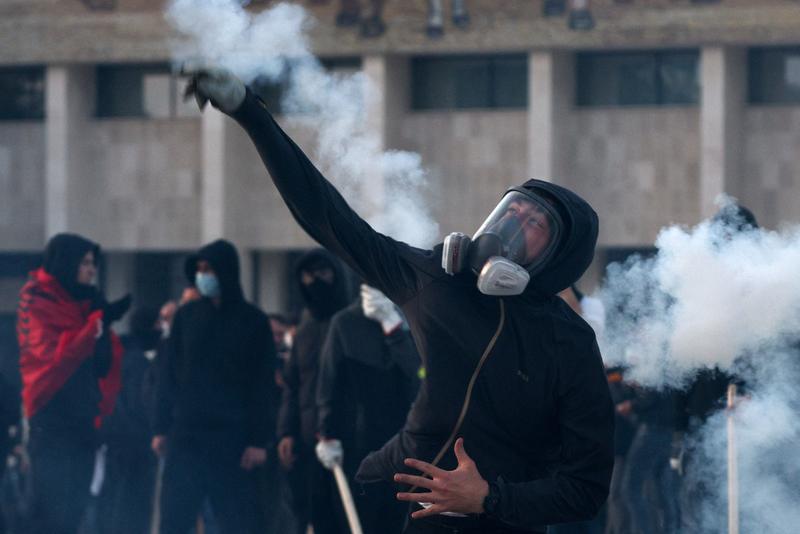
On October 24, 2026, a wave of widespread protests and clashes with police swept across numerous European cities. Demonstrations erupted in France, Italy, Spain, Portugal, Albania, Belgium, Germany, Greece, Ireland, Austria, and Serbia. The unrest was fueled by a combination of factors, including the escalating cost of living crisis, housing unaffordability, and dissatisfaction with current governmental policies.
The protests escalated into violence in several locations. Demonstrators engaged in confrontations with law enforcement, set fires, and instances of looting were reported. These events led to increased security measures and the deployment of soldiers in some of the most affected areas.
France and Italy See Significant Clashes
France experienced some of the most intense clashes. Interior Minister Laurent Nunez reported approximately 1,000 arrests during the protests on October 24, 2026. This number was expected to rise as authorities continued to process the events of the day. The scale of the demonstrations prompted a significant response from French law enforcement.
In Italy, police made nine arrests and briefly detained 371 individuals across eight cities. Of those detained, 110 were minors, indicating the broad demographic participation in the protests. Violence and looting were particularly notable in French and Italian urban centers, contributing to the heightened state of alert across the continent.
Economic Grievances Drive Spanish Protests
Spain also witnessed substantial demonstrations, though with a primary focus on economic security. Approximately 25,000 people marched in Madrid on October 24, 2026. Their central demand was for guarantees regarding pensions, reflecting widespread concerns about financial stability in an uncertain economic climate. The Spanish protests, while large, maintained a more organized and less violent character compared to some other European nations.
Related: Quaker Oats Factory in Cedar Rapids Explodes, Catches Fire
The underlying issues driving these protests are complex. The cost of living crisis has impacted household budgets across Europe. Housing unaffordability has become a critical concern for many citizens, particularly younger generations. Additionally, conditions in education and general dissatisfaction with government responses to these challenges have contributed to the widespread discontent.
Ongoing Demonstrations and Future Outlook
The protests across Europe are not isolated incidents. Many groups have called for further demonstrations and general strikes in the coming weeks and months. This suggests a sustained period of social and political unrest as citizens continue to voice their grievances against economic pressures and governmental policies. The events of October 24, 2026, represent a significant moment in this ongoing struggle, highlighting the fragility of social peace in the face of persistent economic and political challenges across the continent.
The response from European governments has varied, but a common thread involves increased security and attempts to manage the public outcry. The long-term implications of these widespread protests remain to be seen, but they underscore a period of significant societal tension and demand for change.
Sources
Sponsored · Put your business in front of ByteSize Network's readers, with every click measured. See advertising packages · Advertise on ByteSize Network