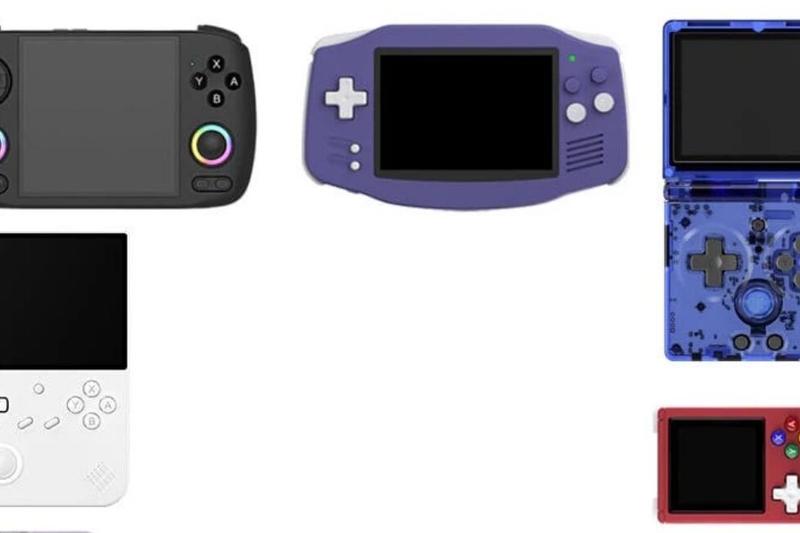
The Entertainment Software Association has escalated its ongoing campaign against digital copyright infringement. In an official filing submitted to the Office of the United States Trade Representative, the trade group targeted popular retro emulation hardware maker Anbernic. The filing asks federal regulators to place these portable gaming systems on the annual Notorious Markets list. According to trade representatives, sleek consumer-facing hardware now masks widespread industrial-scale intellectual property theft.
For years, retro handhelds manufactured by companies like Anbernic, Retroid, and Powkiddy have occupied a gray market space. Consumers purchase these Linux or Android-powered devices primarily to play classic titles from systems like the PlayStation, Game Boy, and Super Nintendo. While the hardware itself can technically run user-provided software lawfully, the commercial reality is far more complex. Most devices ship directly from overseas factories with fully populated micro-SD cards containing thousands of commercial video games. Detailed reporting from outlets like Ars Technica highlights how these ready-to-play bundles bypass the friction typically required to acquire unauthorized digital files.
The Evolution of the Superfake Problem
The term superfake traditionally describes high-end counterfeit luxury goods that closely mimic authentic designer merchandise. The ESA has strategically applied this nomenclature to modern emulation hardware because these devices look and feel like legitimate, professionally manufactured consumer electronics. Consumers receive polished plastic chassis, vibrant IPS displays, and curated user interfaces that rival mainstream consoles produced by Nintendo or Sony. This consumer-grade aesthetic completely masks the underlying copyright violations embedded inside the storage media.
By bundling massive libraries of ROMs directly out of the box, hardware vendors eliminate the technical barrier that once protected copyright holders. Early software piracy required users to manually search peer-to-peer networks or dedicated ROM sites to build their collections. Modern emulation handhelds deliver thousands of commercial titles instantly upon first boot. Independent analysis published by the Electronic Frontier Foundation often examines the tension between consumer repair rights, general-purpose computing, and the distribution of preloaded software vectors by gray-market hardware vendors.
Regulatory Impact and Trade Route Scrutiny
The ESA’s petition to the USTR carries significant weight in shaping international trade policy and customs enforcement. Inclusion on the Notorious Markets list signals to federal agencies that foreign entities are profiting from widespread intellectual property theft without facing domestic enforcement. While the USTR designation does not automatically trigger an outright ban or immediate border seizures, it opens the door for targeted investigations. Customs and Border Protection officials frequently utilize these federal findings to justify increased inspections and cargo holds at major shipping ports.
Manufacturers operating in manufacturing hubs like Shenzhen now face unprecedented scrutiny from international trade organizations. Legal experts note that while open-source emulators like RetroArch enjoy legitimate legal protections under fair use doctrines, hardware manufacturers who bundle commercial ROMs abandon those legal safeguards. The convergence of premium industrial design and illicit software distribution has created a formidable challenge for copyright holders attempting to protect legacy gaming libraries in the digital era.
Related: Why Your Software Development Lifecycle Is Slow
Frequently asked questions
Why did the ESA target Anbernic in its USTR filing?
The ESA targeted Anbernic because the company's portable retro emulation consoles frequently ship with memory cards preloaded with unauthorized copies of copyrighted video games, effectively enabling mainstream software piracy.
What does the term superfake mean in the context of emulation handhelds?
The ESA uses the term superfake to describe how polished, professional-grade consumer electronics successfully disguise the large-scale distribution of pirated video game libraries preinstalled on their storage media.
What is the USTR Notorious Markets list?
The Notorious Markets list is an annual publication by the Office of the United States Trade Representative that highlights online and physical marketplaces reported to engage in substantial copyright piracy and trademark counterfeiting.
Sponsored · Want AI without handing over client files? Oriam AI installs private, on-premise AI for CPA firms, law firms, and insurance and title agencies. oriamai.online · Advertise on ByteSize Network