TL;DR / KEY TAKEAWAYS
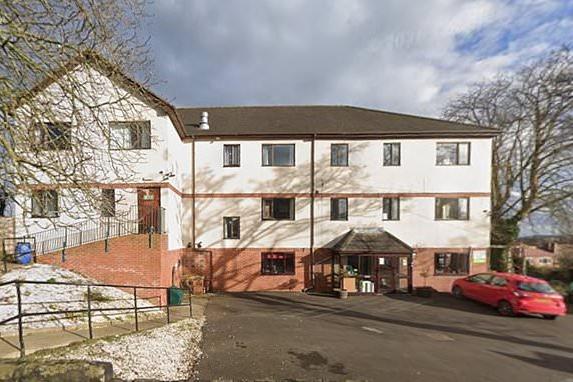
- An elderly resident at Brantwood Hall Care Home in Wakefield, UK, was reportedly left in a chair for nine hours.
- The resident was subjected to blaring rap music during this period.
- The incident highlights severe elder neglect and a failure to provide appropriate care.
- Federal regulations mandate prompt reporting and investigation of alleged neglect in care facilities.
- Research indicates that loud, non-personalized music can cause distress and agitation in residents, particularly those with dementia.
A care home resident in Wakefield, UK, was reportedly left in a chair for nine hours. The individual was surrounded by blaring rap music during this extended period. This incident, detailed in a damning report, raises significant concerns about elder neglect and the quality of care provided in such facilities.
The situation occurred at Brantwood Hall Care Home. It highlights a critical failure in supervision and a disregard for the resident’s well-being. The presence of loud, non-personalized music further exacerbated the distressing environment.
What looks like an isolated incident actually points to broader systemic issues within elder care. The impact of such neglect extends beyond physical discomfort, affecting mental and emotional health.
The Incident at Brantwood Hall
The report specifically names Brantwood Hall Care Home in Wakefield as the location of the alleged neglect. The resident was left in a chair for an extended duration, approximately nine hours. During this time, rap music was played loudly in their vicinity.
This environment is particularly problematic for elderly residents. Many older individuals, especially those with cognitive impairments like dementia, are highly sensitive to their auditory surroundings. Loud, unfamiliar music can lead to increased agitation and distress.
The incident has prompted a review of care practices at the facility. It underscores the necessity for constant vigilance and adherence to established care protocols.
Regulatory Frameworks and Neglect
Federal regulations govern the operation of nursing homes and care facilities. These regulations mandate strict protocols for reporting and investigating alleged violations of abuse, neglect, exploitation, mistreatment, or injuries of unknown source. Facilities must report such incidents to state officials promptly.
If abuse is involved or serious bodily injury occurs, reporting must happen within two hours. For all other alleged violations, the timeframe is 24 hours. Facilities are also required to investigate these allegations thoroughly and report the results within five working days.
The incident at Brantwood Hall Care Home will likely trigger such regulatory scrutiny. Compliance with these rules is essential for resident safety and accountability within the care industry. More information on federal nursing home regulations can be found on the Centers for Medicare & Medicaid Services website.
The Impact of Auditory Environments on Elders
Research consistently demonstrates the significant impact of auditory environments on nursing home residents. This is particularly true for individuals living with dementia. High-intensity sounds, especially those that are not personalized or preferred, can have detrimental effects.
Studies indicate that such environments are associated with decreased nighttime sleep. They can also lead to increased agitation and behavioral disturbances during waking hours. The blaring rap music in this case likely contributed to the resident’s discomfort and distress.
Conversely, personalized music interventions have shown positive effects. These interventions can reduce agitated behaviors and improve mood in some residents with dementia. The choice of music and its volume are critical factors in creating a therapeutic, rather than harmful, environment.
Addressing Systemic Issues in Care
The situation at Brantwood Hall is not an isolated occurrence. It reflects broader challenges within the elder care sector, including staffing shortages, inadequate training, and insufficient oversight. Ensuring the dignity and well-being of residents requires a multi-faceted approach.
This includes rigorous enforcement of regulations. It also demands continuous staff education on person-centered care. Creating environments that are both safe and stimulating is paramount. The Care Quality Commission (CQC) in the UK plays a vital role in monitoring and inspecting care services to ensure they meet fundamental standards of quality and safety.
Related: Chris Daughtry’s Sobriety Journey: From “Never Not High” to Public Advocacy
The incident serves as a stark reminder. Care homes must prioritize the individual needs and sensitivities of their residents. Failure to do so can result in severe neglect and a profound loss of trust.
Conclusion
The report detailing the neglect of an elderly resident at Brantwood Hall Care Home in Wakefield highlights a critical failure in care. Nine hours of unattended time, coupled with blaring rap music, created a deeply distressing situation. This incident underscores the urgent need for stringent adherence to care standards, robust regulatory oversight, and a profound respect for the well-being of vulnerable individuals.
Regulations exist. Investigations follow. Accountability is sought.
Wakefield.
FAQ
-
What happened at Brantwood Hall Care Home?
An elderly resident at Brantwood Hall Care Home in Wakefield, UK, was reportedly left in a chair for nine hours. During this period, the resident was surrounded by blaring rap music, leading to concerns about severe neglect and auditory distress. -
What are the regulations for reporting neglect in care homes?
Federal regulations require nursing homes to report alleged violations of abuse or neglect to state officials within two hours if serious bodily injury or abuse is involved. For all other alleged violations, reporting must occur within 24 hours. Facilities must also investigate and report results within five working days. -
How does loud music affect elderly residents, especially those with dementia?
Research indicates that nursing home residents, particularly those with dementia, are sensitive to auditory environments. High-intensity sounds, especially non-personalized music, can lead to decreased nighttime sleep, increased agitation, and overall distress. Personalized music interventions, however, can have positive effects. -
What is the significance of this incident?
This incident at Brantwood Hall Care Home highlights critical issues in elder care, including potential neglect, inadequate supervision, and a lack of understanding regarding the impact of environmental factors on vulnerable residents. It calls for stricter adherence to care standards and improved oversight.
Sources
Sponsored · Put your business in front of ByteSize Network's readers, with every click measured. See advertising packages · Advertise on ByteSize Network