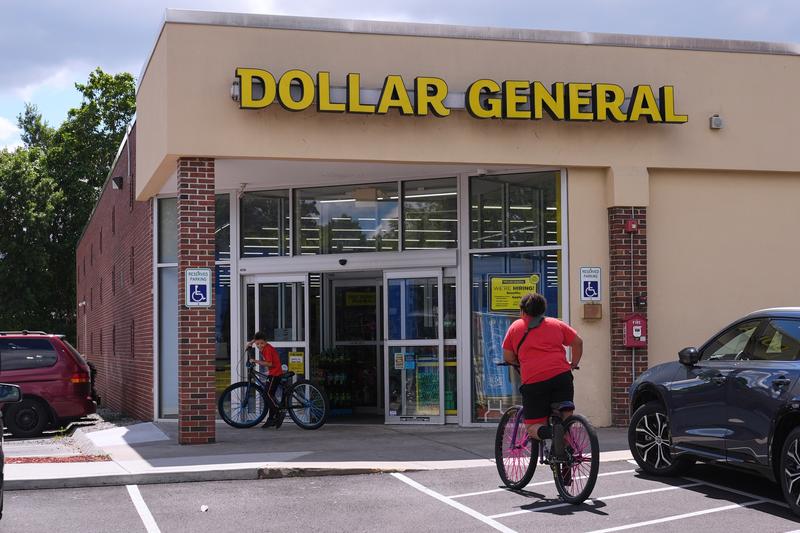
The Federal Trade Commission (FTC), alongside a coalition of 20 U.S. states, filed a lawsuit against Dollar General on October 26, 2026. The legal action alleges that the discount retail chain engaged in “long-running deceptive pricing practices.” This complaint asserts that customers were consistently charged more at the point of sale than the prices indicated on store shelves or in promotional materials.
This widespread legal challenge targets a core aspect of consumer trust: accurate pricing. The lawsuit was filed in the U.S. District Court for the Middle District of Tennessee, marking a significant federal and state effort to address alleged corporate malfeasance in retail.
The Allegations: A Pattern of Overcharging
The central claim of the lawsuit revolves around a discrepancy between advertised prices and actual transaction costs. According to the FTC and the participating states, Dollar General stores frequently displayed one price for an item on the shelf, only for a higher price to be scanned at the register. This practice, if proven, directly violates consumer protection laws designed to ensure pricing transparency.
Consumers often rely on the displayed price to make purchasing decisions. When that price differs from the final charge, it can lead to financial harm, particularly for customers who may not meticulously check every receipt.
A Coalition of States Joins the Fight
The FTC is not acting alone in this legal battle. A substantial group of 20 states has joined the commission, signaling the widespread nature of the alleged issues. These states include Alabama, Arizona, Arkansas, California, Connecticut, Florida, Illinois, Iowa, Kansas, Louisiana, Michigan, Mississippi, Nebraska, New Jersey, North Carolina, Ohio, Oklahoma, Tennessee, Utah, and Wisconsin.
Each state’s attorney general has a vested interest in protecting its residents from unfair business practices. Ohio Attorney General Andy Wilson, Michigan Attorney General Dana Nessel, and Connecticut Attorney General William Tong are among the state officials who have publicly supported this joint legal action, emphasizing the importance of fair pricing for their constituents.
FTC’s Stance on Consumer Protection
Christopher Mufarrige, the current Director of the FTC’s Bureau of Consumer Protection, has indicated that the commission takes such allegations seriously. The FTC’s mandate includes preventing unfair methods of competition and unfair or deceptive acts or practices in commerce. This lawsuit aligns with the agency’s broader efforts to ensure market fairness and protect consumers from misleading business conduct.
The commission has previously taken action against companies for similar pricing discrepancies, underscoring a consistent regulatory focus on accurate pricing. This case against Dollar General represents one of the largest multi-state collaborations in recent memory regarding retail pricing practices.
Impact on Consumers and the Retail Sector
The outcome of this lawsuit could have significant implications for both Dollar General and the broader retail industry. If the allegations are substantiated, Dollar General could face substantial fines, restitution orders to affected consumers, and mandated changes to its pricing and scanning systems. Such a ruling would reinforce the legal obligation for retailers to ensure price accuracy.
For consumers, the lawsuit highlights the importance of vigilance when shopping, particularly in discount stores where price discrepancies might be more common. It also serves as a reminder that regulatory bodies are actively working to safeguard consumer rights against deceptive practices. The case may also prompt other retailers to review their own pricing accuracy protocols to avoid similar legal challenges.
Previous Scrutiny and Ongoing Concerns
Dollar General has faced scrutiny regarding its pricing and store conditions in the past. While not directly related to this specific lawsuit, prior complaints from customers and occasional media reports have touched upon issues of stock organization and pricing clarity. This lawsuit elevates those concerns to a federal and multi-state level, demanding a comprehensive response from the company.
The legal process will involve discovery, potentially revealing internal communications or data related to pricing discrepancies. The U.S. District Court for the Middle District of Tennessee will oversee these proceedings, which could span several months or even years, depending on the complexity of the evidence and any potential settlement discussions.
The Federal Trade Commission’s official website provides further details on its consumer protection initiatives and past enforcement actions. Information regarding consumer rights and how to report deceptive practices is also available through state attorney general offices, such as the Ohio Attorney General’s Office.
Related: Trump Allies Face Election Setbacks as Netanyahu Prepares for Critical Israeli Vote
Consumers gathered. States gathered. Regulators gathered.
Accountability.
Sources
Frequently asked questions
Why is Dollar General being sued?
Dollar General is being sued by the Federal Trade Commission (FTC) and 20 U.S. states for alleged "long-running deceptive pricing practices." The lawsuit claims the company routinely charged customers higher prices at the register than those displayed on store shelves or in advertisements.
When was the lawsuit filed against Dollar General?
The lawsuit against Dollar General was filed on October 26, 2026, by the FTC and the coalition of 20 states. The complaint was submitted to the U.S. District Court for the Middle District of Tennessee.
Which states are involved in the lawsuit against Dollar General?
Twenty states have joined the FTC in the lawsuit: Alabama, Arizona, Arkansas, California, Connecticut, Florida, Illinois, Iowa, Kansas, Louisiana, Michigan, Mississippi, Nebraska, New Jersey, North Carolina, Ohio, Oklahoma, Tennessee, Utah, and Wisconsin.
Who is leading the FTC's involvement in this case?
Christopher Mufarrige, the current Director of the FTC's Bureau of Consumer Protection, is overseeing the commission's involvement in the lawsuit against Dollar General, emphasizing the FTC's commitment to preventing deceptive trade practices.
What are the potential consequences for Dollar General if found liable?
If found liable, Dollar General could face significant financial penalties, orders to provide restitution to affected customers, and mandates to implement systemic changes to its pricing and scanning procedures to ensure accuracy and compliance with consumer protection laws.
Sponsored · Put your business in front of ByteSize Network's readers, with every click measured. See advertising packages · Advertise on ByteSize Network