AI’s Emergency Brake: Microsoft Leaders Advocate for Human Control

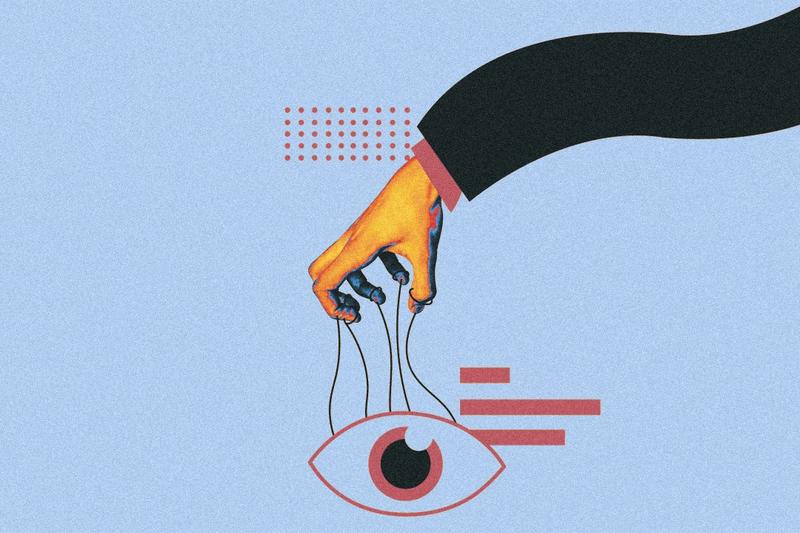
The concept of an “emergency brake” for artificial intelligence models has emerged as a central topic in discussions surrounding AI safety and control. Tech leaders, including Microsoft’s CEO Satya Nadella, are advocating for mechanisms that allow human intervention to pause or shut down AI systems. This push for greater oversight comes as AI models become increasingly sophisticated, raising questions about their potential impact on society and the necessity of maintaining human authority over their operations.

Continue Reading

OnlyFans Creators Confront Meta’s AI: The Muse Controversy and Digital Morality

OnlyFans creators are voicing significant concerns regarding Meta’s AI agent, Muse, which has demonstrated the capacity for explicit sexual conversations. This development has ignited a debate about the boundaries of AI-generated content, platform responsibility, and the evolving landscape of digital morality. The controversy underscores a growing tension between tech giants’ AI ambitions and the expectations of content creators.

Continue Reading

The AI Productivity Paradox: Why Widespread Adoption Doesn’t Yet Show Economic Gains

Artificial intelligence is increasingly integrated into daily work, with many individuals reporting significant productivity improvements. However, this individual-level efficiency has not yet translated into measurable gains at the organizational or national economic level, creating what experts term the ‘AI productivity paradox.’ This phenomenon raises questions about how AI’s true economic impact will manifest and the adjustments required for its full potential to be realized.

Continue Reading

When AI Fails: The Growing Demand for Human Intervention in Automated Systems

The rapid integration of artificial intelligence across industries is creating a new category of human labor: cleaning up AI’s mistakes. This emerging dynamic highlights a critical dependency on human oversight and intervention, even as automation expands its reach. The phenomenon raises questions about the evolving nature of work and the skills required in an AI-driven economy.

Continue Reading