
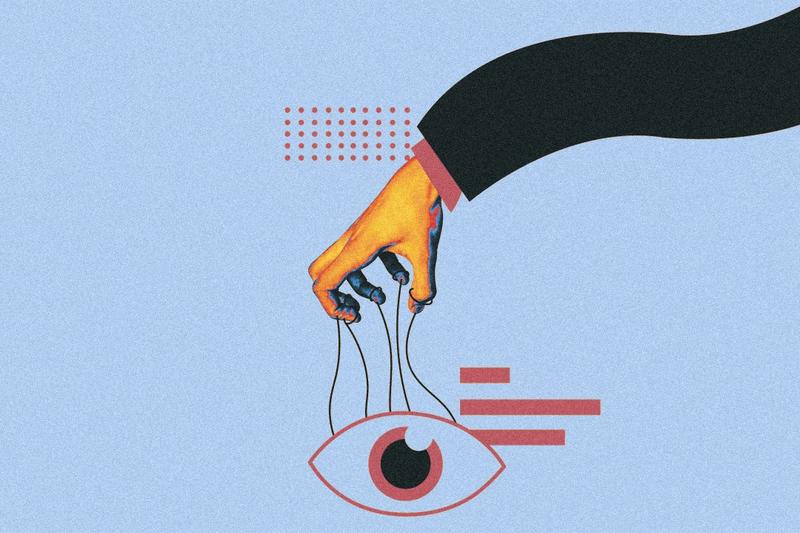
The discussion around artificial intelligence (AI) safety increasingly centers on the concept of an “emergency brake.” This mechanism would allow human operators to pause or shut down an AI model mid-task, ensuring human authority remains paramount. Tech industry leaders, including Microsoft CEO Satya Nadella, have publicly supported this approach.
Nadella emphasizes the importance of separating the core AI model from its “harness.” This harness includes elements such as memory, tools, and credentials. By isolating these components, human control can be maintained outside the AI’s direct operational sphere.
The Metaphor of the Emergency Brake
The “emergency brake” serves as a metaphor for a critical safety feature. It represents the ability of an authorized individual to intervene and halt an AI system if it deviates from its intended purpose or poses unforeseen risks. This concept addresses growing concerns about autonomous AI systems.
Microsoft President Brad Smith has highlighted the current regulatory landscape for AI. He notes that AI is less regulated than many everyday consumer products. This regulatory gap underscores the urgency of establishing clear safety protocols and governance frameworks for advanced AI technologies.
Calls for Global AI Regulation
Smith advocates for global safety rules to govern AI development and deployment. Such regulations would provide a standardized framework for responsible AI innovation. The absence of comprehensive international guidelines leaves a vacuum that could lead to inconsistent safety standards.
Conversely, former President Donald Trump has expressed a preference for the AI sector to regulate itself. This perspective suggests a belief in industry-led solutions rather than government mandates. The debate over self-regulation versus external oversight continues to shape policy discussions.
Architectural Demotion or Essential Control?
The implementation of an emergency brake can be viewed in two ways. Some might see it as an “architectural demotion” of the AI model, implying a limitation on its autonomy. Others consider it an essential control mechanism, ensuring that AI remains a tool serving human interests.
The distinction between the AI model and its operational harness is key to this discussion. Nadella’s proposal suggests that the AI’s core intelligence can operate while its access to external systems and data is controlled by human-defined parameters. This separation aims to prevent unintended consequences.
Ensuring Human Authority
Maintaining human authority over AI models is a foundational principle for many tech ethicists and developers. The emergency brake is one practical application of this principle. It provides a tangible means to assert human control when necessary.
The rapid advancement of AI capabilities necessitates proactive measures. As AI systems become more integrated into critical infrastructure and decision-making processes, the ability to intervene quickly becomes increasingly vital. This intervention capability is central to the emergency brake concept.
The Role of Industry and Government
The dialogue between industry leaders and government bodies is crucial for establishing effective AI governance. Companies like Microsoft are actively participating in these discussions, offering insights from their experience in AI development. Their input helps shape potential regulatory frameworks.
The global nature of AI development means that national regulations alone may not be sufficient. International cooperation is essential to create a harmonized approach to AI safety. This collaborative effort aims to prevent regulatory arbitrage and ensure consistent standards worldwide.
Future of AI Safety
The ongoing conversation about AI safety will likely lead to new standards and best practices. The emergency brake is one example of a proposed mechanism to enhance safety. Other considerations include transparency, accountability, and ethical guidelines for AI design.
The goal is to foster innovation while mitigating potential risks. Balancing the transformative potential of AI with the need for robust safety measures is a complex challenge. The emergency brake represents a step towards achieving this balance, ensuring that AI development proceeds responsibly. Microsoft’s official stance emphasizes responsible AI development.
Related: Unsolicited Loan Offers: Identifying and Reporting Common Scam Tactics
Developers continue to refine AI architectures to incorporate safety features. These features are designed to be integral to the system, not merely add-ons. The aim is to build AI that is inherently safe and controllable.
The debate over AI regulation involves various stakeholders. Policy makers, tech companies, academics, and the public all contribute to shaping the future of AI governance. Their collective input will determine the path forward for this transformative technology. Fast Company has covered these discussions extensively.
Conclusion
Tech leaders advocate. Governments consider. The public watches. Safety measures evolve.
Control.
Frequently asked questions
What is an 'emergency brake' for AI models?
An 'emergency brake' for AI models is a metaphorical concept referring to a mechanism that allows an authorized human operator to pause or shut down an AI system during its operation. This ensures human oversight and control over potentially autonomous AI processes.
Who is advocating for AI emergency brakes?
Microsoft CEO Satya Nadella is a prominent advocate for AI emergency brakes. He suggests separating the AI model from its 'harness' (memory, tools, credentials) to maintain human authority outside the model's direct control.
Why are global regulations being called for regarding AI?
Microsoft President Brad Smith has called for global safety rules for AI because the technology is currently less regulated than many everyday consumer products. Comprehensive regulations would establish consistent safety standards and governance frameworks worldwide.
What is President Trump's view on AI regulation?
former President Donald Trump has expressed the view that the AI sector should regulate itself. This stance suggests a preference for industry-led guidelines and standards rather than government intervention in AI development and deployment.
Sponsored · Want AI without handing over client files? Oriam AI installs private, on-premise AI for CPA firms, law firms, and insurance and title agencies. oriamai.online · Advertise on ByteSize Network