Author: bsn_admin

  • Randolph Mantooth, Star of ‘Emergency!,’ Dies at 80

    Randolph Mantooth, Star of ‘Emergency!,’ Dies at 80

    Randolph Mantooth, the actor best known for his iconic role as paramedic Johnny Gage in the 1970s television series Emergency!, has died at the age of 80. News of his passing was reported by Variety on July 9, 2026. Mantooth’s portrayal of Gage made him a recognizable figure to millions and helped popularize the role of paramedics in public consciousness.

    This is a developing story. Further details regarding the circumstances of his death are not yet available. The entertainment community and fans are awaiting more information as it emerges.

    A Career Defined by Service on Screen

    Randolph Mantooth’s most prominent role was undoubtedly that of John Gage, a Los Angeles County Fire Department paramedic. The series Emergency!, which aired from 1972 to 1977, depicted the daily lives and rescues performed by paramedics and firefighters. Mantooth starred alongside Kevin Tighe, who played his partner, Roy DeSoto.

    The show was groundbreaking for its realistic depiction of emergency medical services. It significantly raised awareness and understanding of the paramedic profession across the United States. Mantooth became synonymous with the character’s dedication and bravery.

    Beyond Station 51

    While Emergency! remained his signature role, Mantooth continued to work in television for decades. He appeared in numerous other series and made-for-television movies. His credits include roles in soap operas such as Loving and General Hospital. He also had guest appearances on shows like Battlestar Galactica and Murder, She Wrote.

    Mantooth often participated in events related to emergency services. He maintained a connection with the real-life paramedic and firefighting communities throughout his life. His legacy extends beyond acting, influencing public perception of first responders.

    A Developing Story

    Information surrounding Randolph Mantooth’s passing is still being gathered. The initial report from Variety confirmed his death and age. The Natural Observer will update this report as additional confirmed facts become available.

    The impact of his work on television and his connection to the emergency services community is widely recognized. Tributes from colleagues and fans are anticipated.

  • Simon Leviev Settles Lawsuit with Leviev Diamond Family

    Simon Leviev Settles Lawsuit with Leviev Diamond Family

    Simon Leviev, internationally recognized as ‘The Tinder Swindler’, has formally settled the high-profile lawsuit initiated against him by the Leviev diamond family. The agreement, finalized on July 10, 2026, concludes a legal battle that commenced in March 2022. The terms of the settlement remain undisclosed.

    This resolution addresses the claims made by the prominent diamond dynasty, which accused Leviev of falsely presenting himself as a member of their family. The lawsuit sought to prevent him from continuing to use the Leviev surname and to obtain financial compensation for the alleged damages.

    The Origins of the Legal Battle

    The Leviev diamond family, a globally recognized entity in the luxury diamond trade, filed a lawsuit against Simon Leviev in March 2022. The suit was lodged in the Tel Aviv Magistrate’s Court in Israel. This legal action followed the widespread attention garnered by the Netflix documentary, ‘The Tinder Swindler’.

    The documentary detailed how Simon Leviev, whose birth name is Shimon Hayut, allegedly defrauded multiple women across Europe. He reportedly posed as the son of Russian-Israeli diamond mogul Lev Leviev, founder of L.L.D Diamonds. This false identity allowed him to cultivate relationships and subsequently solicit large sums of money from his victims, claiming he needed funds due to security threats against his ‘family’ and business.

    The Leviev family’s lawsuit explicitly stated that Simon Leviev had “falsely represented himself as the son of Lev Leviev and took advantage of his surname to make fraudulent representations.” They sought damages for identity theft, emotional distress, and the significant harm to their family’s reputation and business integrity.

    Allegations of Impersonation and Deception

    The core of the Leviev family’s complaint centered on Simon Leviev’s alleged impersonation. They asserted that he leveraged their renowned name and established reputation within the diamond industry to gain trust and exploit individuals. The family maintained that they had no connection whatsoever to Shimon Hayut, nor did they endorse his activities.

    The lawsuit aimed to secure a court order preventing Simon Leviev from using the Leviev surname. It also sought financial restitution for the various harms inflicted. The family emphasized the distress caused by the association of their legitimate and respected business with Leviev’s fraudulent schemes.

    The Netflix Documentary’s Impact

    The 2022 Netflix documentary ‘The Tinder Swindler’ brought Simon Leviev’s alleged actions to a global audience. The film chronicled the experiences of several women who claimed to have been defrauded by him after meeting on the dating app Tinder. It depicted a pattern of sophisticated manipulation, where Leviev would build intense relationships, then feign financial distress or danger to extract money from his victims.

    The documentary’s release amplified the public’s awareness of Leviev’s activities. It also inadvertently brought increased scrutiny and unwanted association to the legitimate Leviev diamond family. This public exposure was a significant catalyst for the family’s decision to pursue legal action.

    Public Reaction and Media Scrutiny

    The story of ‘The Tinder Swindler’ resonated widely, sparking discussions about online dating safety, financial fraud, and victim shaming. Media outlets extensively covered the documentary and its aftermath. Simon Leviev became a figure of considerable public fascination and condemnation.

    The Leviev family, while uninvolved in Leviev’s schemes, found themselves grappling with the reputational fallout. Their legal action was, in part, an attempt to reclaim their name and dissociate from the individual who had exploited it.

    Details of the Settlement

    The settlement reached on July 10, 2026, officially brings an end to the legal proceedings between Simon Leviev and the Leviev diamond family. While the specific terms of the agreement have not been disclosed, such settlements typically involve a combination of financial compensation and injunctions against future actions.

    It is common in high-profile cases for settlement details to remain confidential. This confidentiality can protect the privacy of the parties involved and prevent further public spectacle. Both sides likely sought a resolution that would allow them to move forward without prolonged litigation.

    Implications for Simon Leviev

    For Simon Leviev, this settlement marks the conclusion of a significant legal challenge. While the financial implications are unknown, it may include an agreement to cease using the Leviev surname in any public or business capacity. This would be a crucial outcome for the diamond family, who sought to protect their brand.

    Leviev has faced numerous legal issues in various countries. He has served prison time for fraud-related offenses. The settlement of this lawsuit does not erase his past legal record but closes one chapter in his ongoing legal saga.

    Implications for the Leviev Family

    For the Leviev diamond family, the settlement provides a measure of closure. It likely includes provisions designed to safeguard their name and reputation moving forward. The family had stated their primary goal was to prevent further misuse of their identity and to clear their name from the association with fraudulent activities.

    The resolution allows the family to focus on their legitimate diamond business, free from the direct legal entanglement with Simon Leviev. Their pursuit of justice aimed to protect a legacy built over decades in the global diamond industry.

    The Broader Context of Identity Theft and Online Fraud

    The case of Simon Leviev highlights the increasing prevalence and sophistication of identity theft and online fraud. His methods, as depicted in the documentary, involved careful cultivation of trust, elaborate staging, and emotional manipulation.

    Such incidents underscore the importance of due diligence in online interactions, particularly those involving financial requests. The digital age has opened new avenues for fraudsters to operate, often leveraging personal information and social engineering tactics.

    Protecting Against Impersonation

    Businesses and individuals alike face challenges in protecting their identities and reputations from impersonation. For established brands like the Leviev diamond family, the misuse of their name can have significant commercial and reputational consequences. Legal action, as demonstrated in this case, can be a necessary step to mitigate such damage.

    For individuals, verifying identities and exercising caution in online relationships are critical. The ‘Tinder Swindler’ case serves as a stark reminder of the potential for deception in digital spaces.

    Moving Forward

    The settlement between Simon Leviev and the Leviev diamond family concludes a highly publicized legal dispute. It underscores the challenges faced by victims of fraud and the complex nature of seeking justice in an interconnected world.

    The family pursued legal avenues. The individual faced consequences. The public observed.

    Justice.

  • Micheal Ward Found Not Guilty: Acquittal in Rape and Sexual Assault Trial

    Micheal Ward Found Not Guilty: Acquittal in Rape and Sexual Assault Trial

    Actor Micheal Ward, known for his work in the critically acclaimed series ‘Top Boy,’ was found not guilty of charges of rape and sexual assault on July 10, 2026. The verdict concludes a legal process that has been under public scrutiny since the allegations first emerged, clearing Ward of the accusations.

    The trial’s conclusion brings a resolution to a high-profile case involving a prominent figure in the entertainment industry. The judgment was delivered after extensive legal proceedings, including testimony and evidence presented by both the prosecution and the defense.

    The Initial Allegations and Legal Process

    Allegations of rape and sexual assault against Micheal Ward first became public prior to the trial. These accusations led to a formal investigation and subsequent charges.

    The legal process commenced with the charges being formally brought against the actor. This initiated a period of pre-trial hearings and evidence gathering.

    Details surrounding the initial complaint were not immediately released in their entirety. The legal system maintained certain protocols to protect the identities of those involved.

    Ward consistently maintained his innocence throughout the proceedings. His legal team worked to present a robust defense against the claims.

    Micheal Ward’s Career and Public Profile

    Micheal Ward gained significant recognition for his role as Jamie in the Netflix series ‘Top Boy.’ His performance earned him critical acclaim and a growing fan base.

    The actor’s career trajectory had been on an upward path prior to the allegations. He had appeared in several other film and television projects, establishing himself as a notable talent.

    His work on ‘Top Boy’ in particular brought him international attention. The series explores complex themes within urban London, and Ward’s character was central to its narrative.

    The legal proceedings placed a spotlight on Ward’s public image. Public discourse often accompanies high-profile cases involving celebrities.

    The Trial Proceedings

    The trial itself involved a detailed examination of the evidence. Both the prosecution and defense presented their arguments and called witnesses.

    Legal experts observed the proceedings for their procedural aspects. The court aimed to ensure a fair and impartial hearing for all parties.

    Testimonies were heard from various individuals involved in the case. These included the accuser, the defendant, and other relevant witnesses.

    The defense team cross-examined witnesses and presented their own narrative. They aimed to demonstrate inconsistencies or insufficient evidence to support the charges.

    The prosecution sought to establish Ward’s guilt beyond a reasonable doubt. They presented evidence intended to substantiate the allegations of rape and sexual assault.

    The Verdict and Its Implications

    The jury’s decision to find Micheal Ward not guilty was announced on July 10, 2026. This verdict signifies that the prosecution did not meet the burden of proof required for a conviction.

    A not guilty verdict does not declare innocence in a moral sense. It legally means the state failed to prove guilt beyond a reasonable doubt.

    The outcome has significant implications for Ward’s career. It removes the legal cloud that had been hanging over his professional life.

    Public reaction to such verdicts can be varied. Opinions often reflect broader societal views on justice, celebrity, and sexual assault allegations.

    Legal Precedents and Public Perception

    Cases involving celebrities and serious allegations often attract extensive media coverage. This coverage shapes public perception, sometimes before a verdict is reached.

    The legal system operates on principles of due process and the presumption of innocence. These principles are fundamental to judicial proceedings.

    High-profile trials can influence public dialogue about legal standards. They also highlight the complexities of evidence and testimony in court.

    The outcome of this trial will likely be discussed in contexts related to celebrity accountability. It will also be part of broader conversations about the justice system’s handling of sexual assault cases.

    The Road Ahead for Micheal Ward

    With the not guilty verdict, Micheal Ward is now free from the legal charges. His professional focus can now shift back to his acting career.

    The entertainment industry often monitors legal outcomes of its talents. This verdict allows for potential recommitment to projects or new opportunities.

    Ward’s public relations team may work to re-establish his image. This often involves strategic communication and careful project selection.

    The emotional and personal toll of such a trial can be substantial. Ward will likely navigate a period of personal adjustment following the conclusion of the case.

    Broader Context of Celebrity Legal Cases

    This case joins a lineage of celebrity legal battles. Such cases often underscore the unique pressures faced by public figures.

    They also illustrate the distinct nature of legal processes. These processes are separate from public opinion or media narratives.

    The outcome serves as a reminder of the foundational aspects of the justice system. It emphasizes the necessity of proving guilt through evidence.

    The entertainment industry continues to evolve in its response to allegations against its members. Each case contributes to this ongoing development.

    Allegations surfaced. Legal proceedings commenced. Evidence was presented. A verdict was reached. Life moves forward.

  • Trump Targets Grad School Debt – A $100 Billion Bubble Under Scrutiny

    Trump Targets Grad School Debt – A $100 Billion Bubble Under Scrutiny

    President Donald Trump’s administration is actively scrutinizing the United States’ graduate school debt landscape, a sector estimated to represent a ‘hundreds of billions of dollars bubble.’ This examination indicates a strategic move to potentially reform federal student loan programs and address the escalating costs associated with higher education, particularly at the graduate level. The administration’s focus aligns with its broader mandate to review government spending and ensure fiscal responsibility across various federal programs, signaling a significant policy discussion on the future of graduate education funding.

    The current administration’s interest in graduate school debt reflects a growing national conversation about the value and affordability of advanced degrees. Concerns have mounted over the years regarding the increasing loan burdens carried by students pursuing master’s, doctoral, and professional degrees. This scrutiny by the Trump administration suggests that federal interventions or adjustments to existing policies may be forthcoming.

    The Anatomy of the $100 Billion Bubble

    The term ‘hundreds of billions of dollars bubble’ refers to the cumulative federal loan debt held by graduate students across various disciplines. This figure highlights the substantial financial commitment made by both students and the federal government to advanced education. Unlike undergraduate loans, graduate student loans often have higher limits and less stringent repayment terms, contributing to larger individual debt loads.

    Data from the Department of Education indicates a steady increase in graduate student borrowing over the past two decades. Many graduate programs, particularly in fields like law, medicine, and business, can cost tens of thousands of dollars annually. Students often rely heavily on federal Grad PLUS loans, which allow borrowing up to the cost of attendance, minus any other financial aid received.

    Critics of the current system point to the uncapped nature of Grad PLUS loans as a primary driver of tuition inflation. Universities, they argue, have little incentive to control costs when federal funds are readily available to cover expenses. This dynamic has contributed to the ballooning debt figures now under presidential review.

    President Trump’s Stance on Higher Education

    President Trump’s approach to higher education has consistently emphasized accountability and value for taxpayer money. His administration has previously called for greater transparency in college pricing and a focus on career-ready skills. The current examination of graduate school debt fits within this overarching philosophy.

    During his previous term and leading into his current term, President Trump has voiced concerns about the overall student loan crisis. His administration has explored various policy options, including income-driven repayment plan reforms and simplified loan forgiveness programs. The specific targeting of graduate school debt indicates a refined focus on a segment of the student loan market that often involves larger sums and, in some cases, less certain employment outcomes relative to the debt incurred.

    “We must ensure that our education system prepares students for success, not for a lifetime of debt,” President Trump stated in a press briefing on education reform in 2025. “The federal government’s role in student lending needs to be reevaluated to protect taxpayers and empower students.”

    This statement underscores the administration’s commitment to revisiting the federal government’s involvement in student lending. The $100 billion graduate school debt bubble is now a central component of this reevaluation.

    Potential Policy Implications and Reforms

    The Trump administration’s scrutiny of graduate school debt could lead to several policy changes. One area of focus might be the Grad PLUS loan program. Reforms could include caps on borrowing limits, stricter eligibility requirements, or an increased emphasis on institutional accountability for student outcomes.

    Another potential reform involves the repayment structures for graduate loans. The administration might propose adjustments to income-driven repayment plans, aiming to make them more sustainable for taxpayers while still providing a safety net for borrowers. Discussions could also include mechanisms to encourage universities to offer more affordable graduate programs or to tie federal funding to employment rates and earnings of graduates.

    Impact on Specific Disciplines

    Different graduate programs could experience varying impacts from potential reforms. Fields like law and medicine, which often have high tuition costs but also high earning potential, might see adjustments to loan terms. Programs in humanities or social sciences, where post-graduation salaries can be lower relative to debt, might face increased pressure to demonstrate value or adapt their funding models.

    The administration’s review is expected to consider the economic impact of these loans on different sectors of the workforce. The goal is to ensure that federal aid supports educational pathways that lead to productive careers without burdening individuals or the federal budget unnecessarily.

    The Broader Debate on Higher Education Funding

    The graduate school debt issue is part of a larger, ongoing national debate about the cost and value of higher education. Policy makers, educators, and students are all grappling with how to make advanced degrees accessible and affordable without creating unsustainable debt. The federal government plays a pivotal role in this ecosystem through its student loan programs.

    Advocates for the current system argue that federal loans are essential for providing opportunities for advanced study, which in turn contributes to innovation and economic growth. They emphasize that many graduate programs lead to high-demand professions that require specialized knowledge and training. Limiting access to these loans, they contend, could hinder national competitiveness.

    Conversely, critics argue that the current system has created perverse incentives, driving up tuition costs and leaving many graduates with crushing debt loads. They suggest that a more market-oriented approach, or one that ties funding more directly to demonstrable outcomes, is needed to restore balance.

    Stakeholder Perspectives

    • Students and Borrowers: Many graduate students rely on federal loans to finance their education. Any changes could significantly impact their ability to pursue advanced degrees.
    • Universities and Colleges: Institutions of higher education depend on federal student aid to attract students and fund their programs. Reforms could necessitate changes to tuition models and program offerings.
    • Taxpayers: The federal government underwrites these loans, making taxpayers ultimately responsible for defaults. The administration aims to reduce this financial exposure.
    • Employers: A well-educated workforce is crucial for economic growth. The quality and affordability of graduate education directly impact the talent pipeline for various industries.

    The Trump administration’s initiative seeks to balance these competing interests while addressing the core concern of unsustainable debt.

    Looking Ahead: The Future of Graduate Education Finance

    The coming months are likely to bring more detailed proposals and discussions regarding graduate school debt. The administration is expected to engage with stakeholders from the education sector, financial institutions, and student advocacy groups. The outcome of these discussions could redefine the landscape of graduate education funding for years to come.

    President Trump’s focus on the ‘hundreds of billions of dollars bubble’ signifies a clear intent to bring about change. Whether these changes involve stricter lending criteria, new repayment models, or increased institutional accountability, the era of unchecked graduate student borrowing may be drawing to a close. The nation watches as the administration seeks to burst this financial bubble.

    Policymakers debated. Educators strategized. Students worried. The administration acted.

    Reform.

  • Jack White Offers Tour Spot to ‘Satanic’ Band Twin Temple After Controversy

    Jack White Offers Tour Spot to ‘Satanic’ Band Twin Temple After Controversy

    Rock musician Jack White publicly extended an offer to the band Twin Temple for an opening slot on his upcoming tour in 2026. This invitation followed Twin Temple’s removal from a separate tour with country artist Charley Crockett. The incident brought to light ongoing discussions within the music industry regarding artistic expression, religious themes, and audience perceptions.

    The Genesis of a Controversy

    The situation began when Twin Temple was scheduled to open for Charley Crockett on a series of dates. Twin Temple, known for their self-described ‘satanic doo-wop’ genre, incorporates occult and Satanic imagery into their music and stage performances. This aesthetic has been a signature element of the band since their formation.

    Charley Crockett, a prominent figure in the country music scene, made the decision to remove Twin Temple from his tour. The specifics of Crockett’s reasoning were not immediately detailed. However, the removal quickly drew attention and generated significant commentary across social media platforms and music news outlets.

    The decision by Crockett initiated a conversation about the boundaries of artistic compatibility on tour lineups. It also touched upon the expectations of different fan bases when diverse musical acts are paired together. Many observers questioned whether the removal was due to audience feedback, internal tour dynamics, or a conflict in artistic vision.

    Jack White’s Public Invitation

    Following the news of Twin Temple’s removal from Crockett’s tour, Jack White made a public statement. White, a Grammy Award-winning artist known for his boundary-pushing music and independent spirit, used his platform to invite Twin Temple to join his own tour. White’s message was direct and supportive of the band.

    White’s offer was widely interpreted as a gesture of solidarity. It also served as a critique of what some perceived as censorship or intolerance within the music community. His public declaration, which included the phrase, ‘Get in Front of Me, Satan!’, underscored his embrace of Twin Temple’s provocative style.

    This move by White is consistent with his history of supporting artists who challenge conventional norms. He has often championed acts that operate outside mainstream expectations. The invitation to Twin Temple reinforced White’s image as an advocate for artistic freedom and unconventional expression.

    Twin Temple’s Response and Artistic Identity

    Twin Temple, comprised of vocalists Alexandra and Zachary James, has consistently defined their music through a blend of 1950s rock and roll influences with overt Satanic themes. Their lyrical content often explores themes of empowerment, rebellion, and anti-establishment sentiments through a dark, theatrical lens. The band’s live shows are characterized by elaborate rituals and occult aesthetics.

    The band has cultivated a dedicated following that appreciates their unique blend of retro sound and provocative imagery. Their fans often view their Satanic themes as a form of artistic commentary rather than a literal religious endorsement. This interpretation is common among many musical acts that utilize similar symbolism.

    Upon receiving Jack White’s offer, Twin Temple expressed gratitude and enthusiasm. The opportunity to tour with an artist of White’s stature represents a significant platform for the band. It provides exposure to a broader audience that may be more receptive to their distinct artistic vision.

    Charley Crockett’s Position and Fan Base

    Charley Crockett has built a career on a blend of country, blues, and Americana music. His authentic storytelling and traditional sound have garnered him a loyal fan base. This audience often values the roots-oriented and often conservative themes present in country music.

    The decision to remove Twin Temple likely reflected a consideration of his fan base’s sensibilities. Country music audiences can sometimes be less tolerant of overtly controversial or religiously provocative acts. Crockett’s team may have anticipated a negative reaction from his core audience, leading to the tour adjustment.

    Crockett himself has not issued an extensive public statement on the matter. His silence has allowed for speculation regarding the underlying reasons for Twin Temple’s removal. However, the focus quickly shifted to Jack White’s intervention.

    Broader Implications for the Music Industry

    The incident between Twin Temple, Charley Crockett, and Jack White highlights several ongoing tensions in the music industry. One key tension involves artistic freedom versus commercial viability. Artists often grapple with how much they can push boundaries without alienating segments of their audience or potential collaborators.

    Another aspect is the role of religious and spiritual themes in music. While many genres openly embrace diverse spiritual expressions, others, particularly within certain traditional markets, remain sensitive to anything perceived as anti-religious or Satanic. This sensitivity can impact touring opportunities and public perception.

    The episode also underscores the power of established artists like Jack White to influence public discourse. By publicly supporting Twin Temple, White not only offered a professional opportunity but also made a statement about tolerance and the value of diverse artistic voices within the industry. His actions serve as a counter-narrative to the initial tour cancellation.

    The History of Controversy in Music

    Controversy surrounding musical acts is not new. Throughout history, artists have used provocative imagery, lyrics, and performances to challenge societal norms. From Elvis Presley’s dance moves to the punk rock movement’s anti-establishment stance, music has often been a vehicle for cultural confrontation.

    Bands like Black Sabbath, Iron Maiden, and Marilyn Manson have faced accusations of Satanism or promoting negative influences. These controversies often fuel public interest and solidify an artist’s identity as a rebel. For some bands, embracing the ‘controversial’ label becomes part of their brand.

    Twin Temple’s situation fits within this historical context. Their ‘satanic doo-wop’ is designed to be provocative. The reaction to their presence on a country tour, followed by Jack White’s endorsement, illustrates the enduring push and pull between artistic expression and societal expectations.

    The Future of Tour Lineups

    This event may influence how artists and promoters curate future tour lineups. It emphasizes the need for careful consideration of artistic compatibility and audience expectations. While diverse bills can introduce new artists to different fan bases, they can also lead to friction if the aesthetic or thematic differences are too stark for certain audiences.

    Jack White’s intervention demonstrates that there are artists willing to provide platforms for acts deemed controversial by others. This creates alternative pathways for bands like Twin Temple to reach wider audiences. It also reinforces the idea that the music industry is not a monolith, but a collection of diverse tastes and values.

    The incident will likely be remembered as a moment where artistic principles were publicly debated. It showcased the contrasting approaches of different musical communities. It highlighted the ongoing evolution of what is considered acceptable or desirable in mainstream and alternative music spaces.

    Artists made decisions. Audiences reacted. Debates ensued. The music industry continues its complex dance.

    Next in the Series: The Economic Impact of Tour Cancellations on Emerging Artists

  • Christopher Nolan on ‘Odyssey’ Backlash: ‘Irrelevant’ After Batman Experience

    Christopher Nolan on ‘Odyssey’ Backlash: ‘Irrelevant’ After Batman Experience

    Christopher Nolan has publicly stated his disregard for the backlash surrounding his latest film, ‘Odyssey.’ Nolan characterized the criticism as ‘irrelevant,’ attributing his perspective to his extensive experience navigating public opinion during his ten years working on the Batman film series. This stance highlights a filmmaker’s approach to creative control amidst contemporary online scrutiny.

    His comments, reported by Variety on July 11, 2026, suggest a seasoned perspective on the often-intense public reaction to high-profile cinematic releases. Nolan’s career spans several decades, marked by both critical acclaim and significant box office success.

    The Weight of Public Opinion in Modern Cinema

    The film industry operates within a complex ecosystem of critical reviews, fan expectations, and social media discourse. Modern filmmakers frequently face immediate and widespread reactions to their creative decisions, sometimes even before a film’s release. These reactions can range from enthusiastic support to intense criticism.

    Nolan’s ‘Odyssey’ has reportedly garnered significant discussion, particularly concerning its casting choices and certain narrative elements. The specific details of the backlash have been a subject of online debate across various platforms since the film’s initial announcements.

    Directors like Nolan, who command substantial creative freedom, often find themselves at the nexus of artistic vision and commercial viability. This tension is particularly pronounced in the era of instant digital feedback.

    Navigating the Batman Legacy

    Christopher Nolan directed three highly successful Batman films: ‘Batman Begins’ (2005), ‘The Dark Knight’ (2008), and ‘The Dark Knight Rises’ (2012). This trilogy is widely regarded as a significant achievement in the superhero genre, redefining its dramatic and thematic potential.

    During his decade-long involvement with the Batman universe, Nolan experienced firsthand the immense scrutiny that accompanies iconic characters. Casting decisions, plot deviations from comic lore, and stylistic choices were all subjects of intense public debate.

    The casting of Heath Ledger as the Joker in ‘The Dark Knight,’ for instance, initially faced considerable skepticism from some fans. Ledger’s performance ultimately earned widespread critical acclaim, including a posthumous Academy Award, demonstrating how initial public reactions can sometimes diverge significantly from a project’s eventual reception.

    Nolan’s reference to his ’10 years dealing with Batman’ underscores a period of sustained public engagement and critique. This experience appears to have forged a resilient approach to external pressures.

    The ‘Odyssey’ Project: Context and Controversies

    ‘Odyssey’ represents Christopher Nolan’s latest directorial effort, following a string of critically and commercially successful films. Details about the film’s plot remain somewhat guarded, a common practice for Nolan’s productions, which often feature intricate narratives and unexpected twists.

    The reported backlash surrounding ‘Odyssey’ highlights contemporary sensitivities within the film-watching community. Issues such as representation, narrative authenticity, and creative interpretation frequently fuel online discussions.

    Specific criticisms of ‘Odyssey’ have not been fully detailed in public reports, but they are understood to encompass various aspects of the film’s production. These often include:

    • Casting decisions for key roles.
    • Departures from expected genre conventions.
    • Thematic elements perceived as controversial.
    • Pacing or structural choices within the narrative.

    Nolan’s dismissal of these concerns suggests a filmmaker prioritizing his artistic vision. He has historically maintained a strong directorial hand in his projects, often working with a consistent team of collaborators.

    Filmmaker Autonomy in the Digital Age

    The concept of filmmaker autonomy has evolved significantly with the rise of social media. Directors now face a more direct and immediate form of audience feedback, often before a film has even been seen by the majority of the public.

    For many established directors, maintaining creative control is paramount. This often means making decisions that may not immediately align with certain audience expectations or online trends.

    Nolan’s statement aligns with a broader sentiment among some veteran filmmakers who believe in the integrity of their artistic process. They argue that constant adaptation to every wave of public opinion can dilute a project’s original vision.

    The balance between audience engagement and creative independence remains a perpetual challenge for the film industry. Nolan’s approach suggests a clear preference for the latter, informed by years of navigating high-stakes productions.

    Lessons from a Decade of Blockbusters

    Christopher Nolan’s filmography is characterized by ambitious storytelling, technical innovation, and a consistent exploration of complex themes. His films often challenge audiences with non-linear narratives and thought-provoking concepts.

    His experience with the Batman films provided a unique education in managing public perception. These were not just standalone movies; they were cultural events with deeply entrenched fan bases and high expectations.

    The pressure to deliver a satisfying conclusion to the Batman trilogy with ‘The Dark Knight Rises’ was immense. Nolan successfully navigated these pressures, delivering a film that, while generating discussion, cemented his reputation as a master storyteller.

    This sustained period of high-profile filmmaking likely instilled in Nolan a durable resistance to transient criticisms. He has seen how initial reactions can shift, and how a film’s legacy often takes time to solidify.

    The Impact of Online Discourse on Creative Works

    Online platforms have democratized film criticism, allowing virtually anyone to share their opinions. While this can foster vibrant communities, it also creates an environment where negative sentiment can quickly amplify.

    For filmmakers, discerning constructive criticism from noise becomes a critical skill. Nolan’s ‘irrelevant’ comment indicates a deliberate filtering process, focusing on the creative goals rather than every public comment.

    The phenomenon of ‘backlash’ itself has become a common feature of the entertainment landscape. It encompasses a wide range of reactions, from genuine critical analysis to more emotionally charged responses, sometimes fueled by a sense of ownership over popular intellectual properties.

    Nolan’s perspective suggests that for a filmmaker with a clear vision, this type of widespread, immediate online reaction can be a distraction rather than a guide. His focus remains on the execution of his artistic intent.

    Filmmakers and the Future of Creative Freedom

    Christopher Nolan’s stance on the ‘Odyssey’ backlash raises questions about the future of creative freedom in Hollywood. As studios become increasingly sensitive to public relations and social media trends, the space for uncompromising artistic vision might shrink.

    However, directors with a proven track record, like Nolan, often retain a stronger bargaining position. Their past successes grant them a certain degree of insulation from immediate commercial or public pressures.

    The debate between artistic integrity and audience satisfaction is perennial. Nolan’s comments contribute to this ongoing dialogue, asserting the importance of a director’s conviction.

    His films have consistently pushed cinematic boundaries, from the dreamscapes of ‘Inception’ to the temporal manipulations of ‘Tenet.’ This history suggests a director who is not afraid to take risks, even if those risks generate discussion.

    The Role of the Audience in Shaping Art

    While Nolan dismisses certain forms of backlash, the audience ultimately plays a crucial role in the success and cultural impact of a film. Box office receipts and long-term critical reception are driven by audience engagement.

    However, the definition of ‘audience engagement’ has become more complex. It now includes not just ticket sales, but also social media metrics, online reviews, and cultural conversations.

    Nolan’s position is not necessarily a rejection of his audience, but rather a distinction between critical feedback that informs the creative process and general public sentiment that may not. He appears to prioritize the former.

    The interaction between creator and audience is a dynamic one. Nolan’s statement is a reminder that while audiences are vital, the final creative authority often rests with the filmmaker, particularly for those with a distinct artistic signature.

    Christopher Nolan directed ‘Batman Begins.’ He directed ‘The Dark Knight.’ He directed ‘The Dark Knight Rises.’ He has now directed ‘Odyssey.’

    He remains resolute.

  • Christopher Nolan Praises Gen Z for Rejecting AI ‘Slop’

    Christopher Nolan Praises Gen Z for Rejecting AI ‘Slop’

    Christopher Nolan, the acclaimed director, has publicly lauded Gen Z filmmakers for their steadfast refusal to embrace artificial intelligence in their creative processes. Nolan specifically praised this generation’s ‘utter rejection’ of what he critically termed ‘AI slop,’ asserting that the current advent of AI technology is ‘hitting at exactly the wrong time’ for the film industry and broader creative sectors.

    This endorsement from Nolan highlights a significant cultural and professional divide concerning AI’s integration into artistic endeavors. His observations point to a generational preference for human-centric creativity over algorithmic generation.

    The Director’s Perspective on AI’s Timing

    Nolan’s comments were not merely an observation but a critical assessment of AI’s timing within the creative landscape. He suggested that the technology’s emergence now presents unique challenges rather than opportunities for genuine artistic expression.

    The director, known for his commitment to practical effects and traditional filmmaking techniques, has consistently voiced concerns about technological advancements that could diminish human agency in art. His filmography, including works like ‘Oppenheimer’ and ‘Interstellar,’ often explores complex human dilemmas through meticulously crafted narratives.

    He believes that the current stage of AI development, particularly in generative capabilities, produces outputs that lack the nuance, intentionality, and soul inherent in human-made art. This perspective aligns with a broader sentiment among traditionalists in Hollywood.

    Gen Z’s Stance: A Rejection of ‘Slop’

    Gen Z, comprising individuals born roughly between the mid-1990s and early 2010s, has demonstrated a notable skepticism towards AI in creative fields. Nolan’s praise underscores what he perceives as a principled stand by this demographic.

    The term ‘AI slop’ used by Nolan vividly describes his view of AI-generated content: something hastily produced, lacking quality, and devoid of artistic merit. This characterization resonates with many artists who fear AI’s potential to devalue human skill and originality.

    This generation, having grown up amidst rapid technological change, appears to be drawing a clear line between tools that assist creativity and those that seek to replace it. Their ‘utter rejection’ suggests a desire to preserve the authenticity of artistic creation.

    Impact on Creative Industries

    The debate surrounding AI extends far beyond filmmaking, touching upon music, literature, visual arts, and journalism. Nolan’s remarks contribute to a growing chorus of voices questioning AI’s ethical and artistic implications.

    The film industry, in particular, has seen significant discussions regarding AI’s potential use in screenwriting, visual effects, and even actor likenesses. These conversations often revolve around intellectual property, compensation, and the very definition of authorship.

    Labor organizations, including the Writers Guild of America (WGA) and the Screen Actors Guild – American Federation of Television and Radio Artists (SAG-AFTRA), have actively negotiated protections against unchecked AI integration. Their recent agreements have included clauses addressing AI’s use, reflecting widespread concern.

    The Authenticity Imperative

    For Gen Z, authenticity often serves as a core value. This generation frequently prioritizes genuine expression and ethical production practices, which may explain their aversion to AI-generated content.

    The perceived inauthenticity of AI outputs, which can often mimic existing styles without true understanding or original thought, clashes with this generational value. They seek to create work that is deeply personal and reflective of human experience.

    This focus on authenticity could shape the future of creative industries, pushing for greater transparency regarding AI’s role in content creation and fostering an appreciation for human craftsmanship.

    Historical Parallels: Technology and Art

    The tension between new technology and established artistic practices is not new. Throughout history, every major technological shift has provoked debate about its impact on art.

    The invention of photography in the 19th century, for example, initially led some to declare the death of painting. Yet, painting evolved, exploring new forms and purposes that photography could not replicate.

    Similarly, the advent of synthesizers and digital music production tools in the 20th century sparked discussions about the ‘purity’ of acoustic music. These tools ultimately expanded musical possibilities, coexisting with traditional methods.

    Nolan’s current stance echoes these historical anxieties, but with a crucial difference: AI’s capacity for autonomous generation raises fundamental questions about human creativity itself.

    The Role of Tools vs. Creators

    A key distinction in the AI debate centers on whether AI functions as a tool for human creators or as a creator itself. Many artists are open to AI as an assistive technology that enhances their workflow.

    However, the concept of AI as an autonomous generator of ‘slop’ suggests a different paradigm, one where the machine bypasses human input to produce final content. This is where Nolan and many Gen Z creators draw the line.

    The discussion shifts from using AI to make art better to AI making art without human artistic intent. This distinction is vital for understanding the ethical and philosophical objections.

    Looking Ahead: The Future of Creativity

    Nolan’s praise for Gen Z signals a potential future where human creativity is actively defended against perceived technological intrusions. This generational pushback could influence how AI is developed and deployed in creative fields.

    The emphasis on human authorship and originality could lead to renewed appreciation for traditional skills and unique artistic visions. It might also foster innovation in areas where AI cannot easily replicate human ingenuity.

    As AI technology continues to evolve, the dialogue between creators, technologists, and audiences will remain critical. The choices made today will undoubtedly shape the artistic landscape for decades to come.

    Filmmakers gathered. Artists gathered. Technologists gathered. A generation gathered.

    Creativity.

  • Ariana Grande Exits ‘American Horror Story’ Season 13 Amid Concert Tour

    Ariana Grande Exits ‘American Horror Story’ Season 13 Amid Concert Tour

    Ariana Grande has reportedly withdrawn from the thirteenth season of the anthology horror series ‘American Horror Story’. The decision stems from scheduling challenges, as Grande’s commitments to her ongoing concert tour have taken precedence. This move affects her involvement in a high-profile television production, signaling a focus on her musical performances.

    The news, initially reported by Variety on July 10, 2026, details Grande’s exit from the popular FX series. Her participation in ‘American Horror Story’ had been a point of interest for fans, following her previous acting work in both film and television. The conflict between a demanding concert schedule and a television production timeline ultimately necessitated her departure.

    The Dual Demands of Music and Acting

    Ariana Grande maintains a high-profile career across multiple entertainment sectors. She is a globally recognized pop superstar, known for numerous chart-topping hits and extensive world tours. Concurrently, she has cultivated an acting resume that includes roles in ‘Scream Queens’ and the film adaptation of ‘Wicked’.

    The demands of a major concert tour are considerable. Such tours involve months of rehearsals, travel, and nightly performances. This intense schedule often leaves little room for other professional engagements, particularly those requiring significant blocks of time on set.

    Television production, especially for a series like ‘American Horror Story’, also requires substantial time commitments. Filming schedules can be unpredictable, often extending for weeks or months. This clash of commitments posed an unavoidable conflict for Grande’s professional calendar in 2026.

    ‘American Horror Story’ Production Impact

    ‘American Horror Story’ is known for its ensemble cast and rotating storylines. Each season introduces new characters and settings, often bringing back familiar actors in different roles. The series has a history of attracting prominent talent from various fields.

    Grande’s casting for Season 13 had generated significant anticipation. Her involvement was expected to draw additional viewers, particularly from her extensive music fanbase. The production team for ‘American Horror Story’ will now need to adjust their plans.

    The role Grande was slated to play remains undisclosed. Details about the specific theme or setting of Season 13 are also typically kept under wraps until closer to the premiere date. The show’s creators, Ryan Murphy and Brad Falchuk, are known for their ability to adapt and pivot during production.

    Previous Acting Engagements

    Grande’s acting career began in musical theater. She gained early recognition for her role as Cat Valentine in the Nickelodeon series ‘Victorious’, which premiered in 2010. She reprised the role in the spin-off series ‘Sam & Cat’ from 2013 to 2014.

    Her more recent acting credits include a recurring role in the horror-comedy series ‘Scream Queens’ in 2015. She also appeared in the 2021 film ‘Don’t Look Up’, a satirical science fiction comedy. These roles demonstrated her versatility beyond her musical endeavors.

    Currently, Grande is involved in the highly anticipated film adaptation of the musical ‘Wicked’. She is set to portray Glinda, a central character in the story. This film project is a significant undertaking, requiring extensive vocal and acting preparation.

    The Concert Tour: A Primary Focus

    The concert tour cited as the reason for Grande’s withdrawal is a major global event. Such tours are meticulously planned, often years in advance. They represent a significant financial investment for both the artist and their management.

    For Grande, touring is a core component of her career. It allows her to connect directly with her fanbase and promote her latest musical releases. The immersive nature of a world tour necessitates her full attention and physical presence.

    The decision to prioritize the tour over the ‘American Horror Story’ role underscores the importance of live performance in her career trajectory. It reflects a strategic choice to maintain momentum in her music, which remains her primary artistic output and commercial driver.

    The Broader Trend of Multi-Hyphenate Artists

    Ariana Grande is one of many contemporary artists who navigate careers in both music and acting. This trend has become increasingly common in the entertainment industry. Artists like Lady Gaga, Harry Styles, and Selena Gomez have successfully transitioned between recording studios and film sets.

    However, managing these dual careers often leads to scheduling conflicts. The entertainment industry operates on tight deadlines and demanding production schedules. Artists are frequently faced with difficult choices when commitments overlap.

    The case of Grande’s exit from ‘American Horror Story’ serves as a recent example of these challenges. It illustrates the practical realities faced by entertainers who excel in multiple artistic disciplines. The need to allocate time and resources effectively becomes paramount.

    Fan Reactions and Future Prospects

    News of Grande’s departure from ‘American Horror Story’ has elicited varied reactions from her fanbase. Many fans expressed understanding, recognizing the intensity of a concert tour schedule. Others voiced disappointment, having anticipated her return to television.

    Despite this withdrawal, Grande’s future acting prospects remain robust. Her role in ‘Wicked’ is a testament to her continued interest in film. The experience gained from that production will further solidify her standing as a versatile performer.

    Her music career continues its strong trajectory. The ongoing concert tour is a testament to her enduring popularity and artistic output. The decision to step back from ‘American Horror Story’ appears to be a calculated move to maintain focus on her current musical endeavors.

    Schedules clashed. Commitments diverged. Priorities shifted.

    A decision was made.

  • Don Iwerks Dead: Honoring a Disney Innovator and Cinematic Pioneer

    Don Iwerks Dead: Honoring a Disney Innovator and Cinematic Pioneer

    Don Iwerks, a pivotal figure in cinematic innovation and a former executive at The Walt Disney Company, passed away on July 9, 2026. His death at the age of 96 marks the end of a remarkable career that profoundly influenced film technology and the immersive entertainment experiences enjoyed by millions worldwide.

    Iwerks’ legacy is deeply intertwined with the evolution of motion pictures and theme park attractions. He was instrumental in developing groundbreaking projection systems and special venue formats that pushed the boundaries of visual storytelling.

    A Legacy Forged in Disney’s Golden Age

    Donald “Don” Iwerks was born in 1929, the son of Ub Iwerks, the legendary animator and co-creator of Mickey Mouse with Walt Disney. Growing up within the orbit of Disney’s burgeoning animation studio provided him with a unique perspective on the intersection of art and technology.

    He joined The Walt Disney Company in 1950, beginning a career that would span over three decades. His early work involved the technical aspects of film production, a field where his father had already made significant contributions.

    The era was one of intense innovation for Disney, moving beyond traditional animation into live-action films, television, and eventually, theme parks. Don Iwerks found himself at the forefront of these technological expansions.

    Circarama and the Dawn of Immersive Experiences

    One of Iwerks’ early and most significant projects at Disney was his involvement with Circarama, a groundbreaking 360-degree film exhibition system. This technology debuted at Disneyland in 1955, offering guests an unprecedented immersive experience.

    Circarama utilized eleven 16mm projectors synchronized to display images on eleven screens arranged in a circle. Iwerks played a crucial role in developing the complex projection and synchronization systems required for this ambitious project.

    The success of Circarama demonstrated Disney’s commitment to pushing technological boundaries in storytelling. It laid important groundwork for future multi-screen and large-format presentations.

    WED Enterprises and Theme Park Innovation

    As Disney expanded into theme park development with Disneyland, Don Iwerks became a key contributor to WED Enterprises (now Walt Disney Imagineering). This division was responsible for designing and building the attractions that brought Disney stories to life.

    His expertise in film and projection technology was invaluable in creating the unique visual effects and ride systems that defined early Disney attractions. He worked on systems for rides that combined film elements with physical sets and animatronics.

    Iwerks’ work ensured that the technical execution of these ambitious concepts met Walt Disney’s exacting standards for quality and immersive storytelling.

    Pioneering Advanced Film Formats

    Throughout his tenure at Disney, Don Iwerks was consistently involved in the development of advanced film formats and projection systems. This included working with larger film gauges and specialized projection equipment designed for unique cinematic presentations.

    He understood the importance of image quality and scale in creating truly impactful visual experiences. His technical acumen helped Disney maintain its reputation as a leader in cinematic innovation.

    These advancements were not limited to theme parks; they often influenced the broader film industry, setting new benchmarks for visual fidelity.

    Beyond Disney: Iwerks Entertainment

    After a distinguished career of over 30 years with The Walt Disney Company, Don Iwerks departed in 1986 to found his own company, Iwerks Entertainment. This new venture continued his passion for large-format and special venue cinema.

    Iwerks Entertainment quickly became a leader in the field, developing and installing advanced film systems for theme parks, museums, and other entertainment venues worldwide. The company specialized in creating immersive experiences using large-screen formats like 70mm, as well as simulator ride technology.

    The company’s innovations included the development of the Cinetron projection system and various motion-base simulator platforms. These technologies allowed audiences to feel as if they were part of the on-screen action, a significant leap forward in interactive entertainment.

    Iwerks Entertainment’s systems were adopted by major theme parks and attractions globally, solidifying Don Iwerks’ reputation as a visionary in the special venue film industry.

    An Academy Award for Technical Achievement

    Don Iwerks’ profound contributions to cinematic technology were formally recognized by the Academy of Motion Picture Arts and Sciences. In 1997, he received the Academy of Motion Picture Arts and Sciences’ Gordon E. Sawyer Award.

    This prestigious award honored his pioneering work in the design and development of the Iwerks 8/70 Linear Loop Projection System. This system significantly improved the reliability and image quality of large-format film projection, particularly for 70mm film in continuous loop applications.

    The 8/70 Linear Loop system became a standard for many special venue theaters and attractions, ensuring consistent, high-quality presentations for audiences. It was a testament to Iwerks’ dedication to engineering excellence.

    Documenting a Family Legacy

    In addition to his technical work, Don Iwerks also dedicated himself to preserving the legacy of his father, Ub Iwerks. He co-authored the book Walt Disney’s Ub Iwerks: The Hand Behind the Mouse with his son, Ken Iwerks.

    Published in 1999, the book provided an invaluable historical account of Ub Iwerks’ pivotal role in the early days of Disney animation and his subsequent technical innovations. It offered insights into the creative and technical partnership between Walt Disney and Ub Iwerks.

    This effort ensured that his father’s contributions, often overshadowed by Walt Disney’s public persona, received proper recognition. It also highlighted the deep-seated technical ingenuity that ran through the Iwerks family.

    Impact on Modern Entertainment

    The innovations pioneered by Don Iwerks continue to resonate in modern entertainment. The concept of immersive, large-format cinema and motion-based attractions, which he championed, is a cornerstone of today’s theme parks and experiential venues.

    From IMAX theaters to sophisticated simulator rides, the lineage of his work is evident. He helped establish the technical foundations for experiences that blend film, motion, and environmental effects to transport audiences.

    His dedication to precision engineering and visual fidelity set a high bar for the industry. The pursuit of ever-more realistic and engaging cinematic experiences owes much to his pioneering spirit.

    A Life of Innovation

    Don Iwerks’ career was characterized by a relentless drive to innovate. He consistently sought to overcome technical challenges to bring ambitious creative visions to life. His work ethic and commitment to excellence were hallmarks of his professional life.

    He navigated the complex world of film technology, from the mechanical intricacies of projectors to the optical challenges of large-screen displays. His solutions often became industry standards.

    His passing leaves a void in the world of cinematic innovation, but his contributions will continue to shape how stories are told and experienced on screen for generations to come.

    The Enduring Influence of a Visionary

    Don Iwerks was more than just an engineer; he was a visionary who understood the power of technology to enhance storytelling. His work at Disney and later with Iwerks Entertainment helped define what was possible in film exhibition.

    His legacy is not just in the patents he held or the systems he designed, but in the countless moments of wonder he helped create for audiences around the globe.

    Inventors gathered. Engineers gathered. Storytellers gathered. Innovators gathered. Hollywood.

  • Megan Moroney Debunks Kenny Chesney Dating Rumors: “That’s Crazy”

    Megan Moroney Debunks Kenny Chesney Dating Rumors: “That’s Crazy”

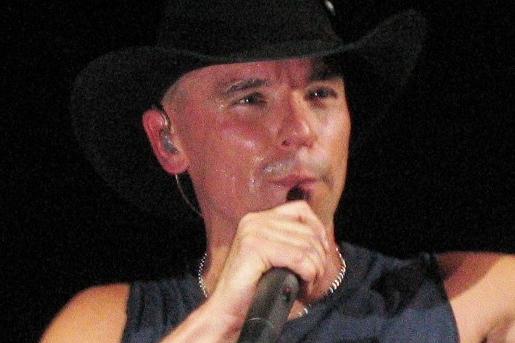
    Country music artist Megan Moroney has definitively shut down rumors suggesting a romantic relationship with superstar Kenny Chesney. Moroney recently addressed the persistent speculation, describing the idea of them dating as “crazy.” Her statement serves as a clear rebuttal to ongoing online discussions and fan theories.

    These rumors have circulated for an extended period within the country music community. Moroney’s direct response aims to put an end to the narrative. The speculation highlights the intense scrutiny and fan engagement common in the entertainment industry.

    The Origin of the Rumors

    The initial spark for the dating rumors can be traced back to a social media post made by Megan Moroney. In the post, Moroney was pictured wearing a hat featuring the iconic ‘No Shoes Nation’ logo, a symbol closely associated with Kenny Chesney and his dedicated fanbase. This seemingly innocuous detail quickly garnered attention.

    Fans and followers began to speculate about the origin of the hat. The assumption for many was that the hat must have come directly from Kenny Chesney himself. This led to a rapid proliferation of theories regarding a potential romantic connection between the two artists. Social media algorithms amplified the discussion, turning a simple accessory into a major talking point.

    The ‘No Shoes Nation’ brand is a powerful identifier for Chesney’s followers. Its appearance in Moroney’s post was interpreted by some as a subtle hint or an inside joke. The country music landscape often sees artists collaborating and forming friendships, but romantic speculation frequently follows any perceived closeness.

    Moroney’s Clarification on the Hat

    Megan Moroney has provided a straightforward explanation for the ‘No Shoes Nation’ hat. She clarified that she received the hat from a friend. This friend had attended one of Kenny Chesney’s concerts and subsequently passed the hat along to Moroney.

    The explanation dispelled the notion that the hat was a personal gift from Chesney. Moroney’s account aims to contextualize the item, removing it from the realm of romantic implication. Her statement underscored the casual nature of the exchange. It was a fan-to-fan gift, not a direct connection to Chesney.

    This clarification was crucial in addressing the root cause of the rumors. It demonstrated how a small detail can be misinterpreted and blown out of proportion. Moroney’s willingness to explain the situation provided necessary transparency to her fanbase.

    Previous Denials and Persistent Speculation

    This is not the first instance of Megan Moroney addressing and denying these specific dating rumors. The speculation has been a recurring theme in her public appearances and interviews. Her consistent denials indicate the rumors’ tenacity.

    Despite her repeated statements, the narrative has persisted. This suggests a level of fan investment in the idea of a relationship between the two. The entertainment news cycle often thrives on such unconfirmed stories, even in the face of direct rebuttals.

    Moroney’s previous comments have consistently maintained a stance of professional respect for Chesney. She has never indicated anything beyond a collegial relationship. The repeated nature of the denials underscores the challenge celebrities face in controlling narratives about their personal lives.

    The Public’s Reaction and Media Scrutiny

    The public reaction to the dating rumors has been varied. Some fans embraced the idea of a new country music power couple. Others expressed skepticism, questioning the basis of the speculation. Social media platforms became a forum for these diverse opinions.

    Media outlets, including country music news sites and gossip columns, picked up on the story. The narrative gained traction across various platforms. This amplified the pressure on Moroney to address the rumors directly.

    Celebrities often navigate a complex relationship with public scrutiny. Every action, every post, every interaction can be analyzed and reinterpreted. Moroney’s experience with the Chesney rumors is a clear example of this phenomenon. The constant need to clarify personal matters can be demanding for public figures.

    Kenny Chesney’s Stance and Professional Respect

    Kenny Chesney has maintained a private stance regarding his personal life throughout his career. He has not publicly commented on the rumors involving Megan Moroney. This approach aligns with his general preference for keeping his private affairs out of the spotlight.

    Within the country music industry, Chesney is known for his professionalism and support of emerging artists. He has cultivated a reputation as a mentor and an industry veteran. It is likely he views Moroney with similar professional respect.

    The lack of comment from Chesney does not necessarily imply anything about the rumors. Instead, it reflects his established pattern of privacy. Both artists operate within a shared professional space, and mutual respect is a common thread in such environments.

    The Broader Impact on Celebrity Privacy

    The Megan Moroney and Kenny Chesney dating rumors highlight broader issues concerning celebrity privacy. In the age of social media, the lines between public and private life have become increasingly blurred. Fans feel a greater sense of access to their favorite stars.

    This accessibility can lead to heightened speculation and rumor generation. A simple social media post can trigger widespread discussion. The immediacy of information sharing means that unverified stories can spread rapidly before being fact-checked.

    For artists like Moroney, managing public perception while maintaining artistic integrity is a constant challenge. The need to repeatedly deny personal rumors can divert attention from their musical careers. It underscores the ongoing tension between public interest and personal boundaries in the entertainment world.

    Moroney’s Career Trajectory and Focus

    Megan Moroney’s career has seen significant growth in recent years. Her music has resonated with a growing fanbase, and she has achieved commercial success. Her focus remains on her artistry and connecting with her audience through her songs.

    Distractions like dating rumors can be a side effect of rising fame. However, Moroney has consistently prioritized her music. Her recent statements reflect a desire to redirect attention back to her professional endeavors.

    The country music scene is competitive, and artists strive to establish their unique voices. Moroney’s dedication to her craft is evident in her work. Her public statements aim to reinforce her commitment to her career path.

    Conclusion: Setting the Record Straight

    Megan Moroney’s latest denial of dating Kenny Chesney serves as a definitive statement. Her description of the rumors as “crazy” leaves little room for ambiguity. This marks another effort to set the record straight regarding her personal life.

    The initial ‘No Shoes Nation’ hat post sparked a chain of speculation. Moroney’s explanation of receiving the hat from a friend clarified the misunderstanding. Despite previous denials, the rumors persisted, highlighting the challenges of celebrity privacy.

    Both Moroney and Chesney are prominent figures in country music. Their professional paths may cross, but Moroney has made it clear that their relationship is not romantic. The public can now move past the speculation.

    Fans listened. Media reported. Moroney clarified. The rumors subsided.

    Clarity.