Author: bsn_admin

  • Mike Preston, ‘Mad Max 2’ and ‘Hot Pursuit’ Actor, Dies at 93

    Mike Preston, ‘Mad Max 2’ and ‘Hot Pursuit’ Actor, Dies at 93

    Mike Preston, an actor recognized for his roles in the iconic 1981 film ‘Mad Max 2: The Road Warrior’ and the 1987 thriller ‘Hot Pursuit,’ died on June 8, 2026, at the age of 92. His passing marks the end of a career that spanned various genres and continents, leaving behind a body of work that resonated with audiences globally. Preston’s contributions to cinema and television cemented his place in the nostalgia of fans who grew up watching his performances.

    Preston’s career was characterized by a versatility that allowed him to transition between intense dramatic roles and more lighthearted fare. His distinctive presence on screen made him a memorable figure, particularly in the action and adventure genres. The news of his death has prompted reflections on his impactful performances and the era of filmmaking he helped define.

    The Early Career and Rise to Prominence

    Mike Preston began his journey in the entertainment industry long before his breakout international roles. He established himself in Australian media, gaining recognition in television and local film productions. This early work provided a foundation for his later success, showcasing his range and dedication to his craft.

    His initial roles often involved tough, authoritative characters, a typecasting that would follow him into his most famous performances. Preston possessed a natural gravitas that lent credibility to these parts, making him a sought-after actor for certain dramatic roles. The Australian film and television landscape of the 1960s and 1970s offered him numerous opportunities to hone his skills.

    During this period, Preston appeared in various television series, becoming a familiar face to Australian households. These experiences were crucial in developing the screen presence that would later capture international attention. He worked alongside many emerging talents who would also go on to achieve global recognition.

    The burgeoning Australian film industry provided a fertile ground for actors like Preston. He was part of a generation that helped put Australian cinema on the world map, contributing to its unique voice and style. His early career built a strong reputation for reliability and intensity.

    ‘Mad Max 2: The Road Warrior’ and International Acclaim

    Mike Preston’s role as Pappagallo in George Miller’s 1981 masterpiece, ‘Mad Max 2: The Road Warrior,’ remains one of his most iconic performances. As the charismatic leader of the oil refinery compound survivors, Pappagallo embodied a fierce determination to protect his community in a post-apocalyptic wasteland. This role introduced Preston to a global audience and solidified his image as a powerful on-screen presence.

    The film, a sequel to the 1979 original, garnered critical acclaim and commercial success, becoming a benchmark for the action genre. Preston’s portrayal of Pappagallo was central to the film’s narrative, providing a moral compass and a formidable counterpoint to Mel Gibson’s Max Rockatansky. His character’s leadership and tragic fate left a lasting impression on viewers.

    Filming ‘Mad Max 2’ was an arduous process, often taking place in remote Australian locations. Preston’s commitment to the role, enduring the harsh conditions and demanding stunts, contributed to the authenticity of his performance. The film’s gritty realism and innovative action sequences continue to be celebrated by cinephiles and filmmakers alike.

    Pappagallo’s character arc, from a hopeful leader to a fallen hero, provided Preston with significant dramatic scope. His final stand in the film is remembered as a pivotal moment, underscoring the themes of sacrifice and survival. The success of ‘Mad Max 2’ opened doors for Preston in Hollywood and other international productions.

    Venturing into Hollywood: ‘Hot Pursuit’ and Beyond

    Following the international success of ‘Mad Max 2,’ Mike Preston found more opportunities in the American film industry. One notable role was in the 1987 action-comedy ‘Hot Pursuit,’ where he starred alongside John Cusack. This film showcased a different facet of Preston’s acting ability, blending action with comedic timing.

    ‘Hot Pursuit’ saw Preston in a supporting but memorable role, further expanding his reach beyond the post-apocalyptic landscapes of ‘Mad Max.’ While not as critically acclaimed as ‘Mad Max 2,’ the film provided him with exposure to a broader audience in the United States and demonstrated his versatility across genres.

    His work in Hollywood included various television appearances and film roles, often capitalizing on his strong, commanding presence. Preston became a recognizable character actor, bringing depth to supporting parts. He navigated the transition from Australian to international productions with a consistent level of professionalism and skill.

    These roles, while perhaps not as globally recognized as Pappagallo, were crucial in establishing his career longevity. They allowed him to work with a diverse array of directors and actors, enriching his experience and reputation within the industry. Preston’s ability to adapt to different production environments was a testament to his talent.

    A Career Spanning Decades

    Mike Preston’s acting career spanned several decades, encompassing a wide range of projects in film, television, and even stage. He was a working actor who consistently delivered strong performances, regardless of the size of the role. His dedication to his craft was evident in every character he brought to life.

    Beyond his most famous roles, Preston appeared in numerous other films and television series, both in Australia and internationally. These included guest appearances in popular shows and supporting roles in various cinematic ventures. He often played characters with integrity, strength, or a certain world-weariness that resonated with audiences.

    His long career meant he witnessed significant changes in the film industry, from the rise of independent Australian cinema to the increasing globalization of Hollywood. Preston adapted to these shifts, maintaining a steady presence in an often volatile profession. His enduring appeal lay in his authenticity and his ability to inhabit complex characters.

    Preston’s filmography serves as a record of his sustained contribution to entertainment. Each role, big or small, added to the tapestry of his career, showcasing a commitment to storytelling and performance. He was a craftsman of his trade, leaving a legacy of memorable characters.

    Impact and Legacy

    Mike Preston’s impact on cinema, particularly through his role in ‘Mad Max 2,’ is undeniable. His portrayal of Pappagallo is frequently cited as one of the most compelling supporting characters in action film history. The film itself has achieved cult status and is considered a classic, ensuring Preston’s place in cinematic lore.

    Beyond specific roles, Preston’s career contributed to the broader narrative of Australian actors making their mark on the international stage. He was part of a wave of talent that demonstrated the quality and depth of Australian performers. His success helped pave the way for future generations of actors from the region.

    His passing on July 22, 2026, at 93, brings a moment of reflection for fans and colleagues alike. Tributes from the film community have highlighted his professionalism, talent, and the indelible mark he left on their memories. Preston’s work continues to be discovered by new audiences, ensuring his legacy persists.

    The nostalgia associated with his films, particularly ‘Mad Max 2,’ speaks to the enduring power of his performances. He was an actor who could command attention, convey deep emotion, and elevate the material he was given. Mike Preston will be remembered as a significant figure in both Australian and international cinema.

    Actors gathered. Directors gathered. Fans gathered. Remembered.

    Mike Preston.


  • VertTV Unveils Vertical Micro-Series Platform – ‘Fuller House’ Reunion Confirmed

    VertTV Unveils Vertical Micro-Series Platform – ‘Fuller House’ Reunion Confirmed

    Hollywood Veterans Pioneer New Vertical Content Frontier

    Hollywood veterans have launched VertTV, a new digital platform dedicated to vertical micro-series. This venture aims to cater to the growing demand for mobile-first content consumption. The announcement included a significant reveal: a ‘Fuller House’ cast reunion is currently in development for the platform, promising to deliver beloved characters in a fresh format.

    VertTV positions itself at the intersection of traditional storytelling and modern viewing habits. The platform’s focus on vertical video is a direct response to how a majority of audiences interact with content on their smartphones. This strategic alignment seeks to create immersive viewing experiences tailored for the mobile screen.

    The Rise of Vertical Video in Entertainment

    The shift towards vertical video has been a defining trend in digital media for several years. Platforms like TikTok and Instagram Reels have normalized the vertical aspect ratio for short-form content. VertTV’s entry into this space with professional, scripted micro-series marks an evolution in content production.

    This format allows for new creative possibilities in cinematography and narrative structure. Directors and writers are challenged to rethink traditional framing and pacing. The intimate nature of vertical viewing can foster a deeper connection between the content and the individual viewer.

    Adapting Storytelling for Mobile

    Traditional television and film are designed for horizontal screens. VertTV’s model requires a fundamental re-imagining of how stories are told. Each micro-series will be crafted specifically for the vertical orientation, ensuring optimal engagement on mobile devices.

    Episodes are expected to be significantly shorter than conventional television, fitting into brief viewing windows. This aligns with the attention spans and consumption patterns of many digital natives. The goal is to deliver compelling narratives in digestible segments.

    ‘Fuller House’ Reunion: A Strategic Nostalgia Play

    The inclusion of a ‘Fuller House’ cast reunion on VertTV’s development slate is a significant strategic move. ‘Fuller House’ itself was a continuation of the beloved 1980s and 1990s sitcom ‘Full House’. This new reunion project taps into a well-established fanbase and strong nostalgic appeal.

    Reunions of popular shows often generate considerable media attention and audience excitement. For VertTV, this means an immediate, built-in audience eager to see familiar faces. It provides a strong anchor for the platform’s initial content offering.

    Connecting Generations Through Familiar Characters

    The ‘Fuller House’ reunion has the potential to attract multiple generations of viewers. Original ‘Full House’ fans, who grew up with the Tanners, may introduce the new vertical series to their children. This intergenerational appeal is a powerful asset in the competitive streaming landscape.

    Familiar characters like D.J. Tanner, Stephanie Tanner, and Kimmy Gibbler resonate deeply with audiences. Their continued stories offer comfort and continuity. This emotional connection can drive sustained viewership and platform loyalty.

    The VertTV Business Model: Studio and Platform

    VertTV is not just a distribution platform; it also functions as a content studio. This dual role allows the company to control both the production and dissemination of its micro-series. This integrated approach can streamline development and ensure a consistent creative vision.

    By producing its own content, VertTV can maintain quality standards and experiment with innovative formats. The studio aspect also provides opportunities for partnerships with established and emerging talent. This model mirrors successful ventures in the broader streaming industry.

    Funding and Partnerships

    Specific details regarding VertTV’s funding and initial partnerships have not been fully disclosed. However, the involvement of Hollywood veterans suggests significant industry backing and connections. These connections are crucial for securing talent, distribution agreements, and advertising revenue.

    The platform will likely explore various monetization strategies, including subscription models, advertising, or a hybrid approach. The mobile-first nature of the content opens avenues for direct-to-consumer engagement and brand collaborations.

    Challenges and Opportunities in the Vertical Video Market

    VertTV enters a dynamic and competitive market. While vertical video is popular, monetizing premium, scripted content in this format presents unique challenges. Audiences are accustomed to free short-form content on social media platforms.

    The opportunity lies in elevating the perceived value of vertical content. By offering high-quality production, compelling narratives, and recognizable talent like the ‘Fuller House’ cast, VertTV aims to differentiate itself. The novelty of a dedicated vertical micro-series platform could also attract early adopters.

    Technological Infrastructure

    Developing a robust technological infrastructure is paramount for VertTV. The platform must ensure seamless streaming, intuitive user interfaces, and effective content recommendation algorithms. Mobile optimization is not just about video format, but the entire user experience.

    Data analytics will play a crucial role in understanding viewer behavior and preferences. This data can inform future content development and platform enhancements. A stable and scalable technical foundation will be key to long-term success.

    The Future of Micro-Series and Episodic Content

    The launch of VertTV signals a broader trend towards highly fragmented and specialized content. Micro-series, with their short runtimes and focused narratives, are becoming increasingly relevant in a world of shrinking attention spans.

    This format allows for rapid production cycles and topical responsiveness. Creators can experiment with diverse genres and themes without the commitment required for traditional long-form series. The flexibility of micro-series could foster a new wave of creative storytelling.

    Impact on Traditional Television and Film

    VertTV’s model does not necessarily replace traditional television and film but rather complements it. It offers an alternative viewing experience for different contexts and moods. The success of vertical micro-series could influence how longer-form content is developed and promoted.

    As audiences become more accustomed to vertical viewing, traditional media producers may explore integrating vertical elements into their own strategies. The lines between social media content and professional entertainment continue to blur, driven by innovation from platforms like VertTV.

    Hollywood veterans have launched a new platform. Vertical micro-series are the focus. ‘Fuller House’ cast will reunite. Mobile-first content is the target. Nostalgia is a key strategy. VertTV aims for the future of entertainment.


  • Rebel Wilson Triumphs in Legal Battle Against ‘The Deb’ Co-Star

    Rebel Wilson Triumphs in Legal Battle Against ‘The Deb’ Co-Star

    Rebel Wilson Secures Legal Victory

    Rebel Wilson emerged victorious in a legal battle against her ‘The Deb’ co-star Charlotte MacInnes on July 22, 2026. This judicial outcome concludes a dispute that had drawn considerable public and media interest. The court’s decision marked a significant moment for Wilson, affirming her position in the contentious matter.

    The case stemmed from interactions and circumstances surrounding their collaboration on the musical production, ‘The Deb’. Details of the allegations and counter-allegations had been under scrutiny for an extended period. The resolution provides a definitive answer to the claims presented.

    The Genesis of the Dispute

    The origins of the legal conflict trace back to the production period of ‘The Deb’. This musical, a significant project for both actresses, inadvertently became the backdrop for the contentious issues. Wilson and MacInnes were key figures in the show’s development and performance.

    Disagreements reportedly arose during the creative and rehearsal phases. These initial tensions escalated over time, eventually leading to formal legal action. The specifics of these early disputes formed the foundation of the subsequent court proceedings.

    Public speculation surrounded the nature of the falling out. Media reports highlighted various aspects of the professional relationship between the two stars. The unfolding events captivated audiences interested in the entertainment industry.

    Court Proceedings and Key Arguments

    The legal proceedings were conducted with intense scrutiny. Both parties presented their arguments before the court. Legal teams for Rebel Wilson and Charlotte MacInnes engaged in a detailed examination of evidence and testimonies.

    Wilson’s legal strategy focused on demonstrating the validity of her claims and refuting those brought by MacInnes. The court heard various accounts of events that transpired during ‘The Deb’ production. Witnesses were called to provide their perspectives on the interactions between the co-stars.

    MacInnes’s defense and counter-arguments aimed to challenge Wilson’s narrative. The court’s task involved sifting through complex details and conflicting statements. The judicial process ensured that all relevant information was considered before a judgment was rendered.

    Impact on ‘The Deb’ Production

    The legal dispute cast a shadow over ‘The Deb’ musical. While the production itself received attention, some of it was diverted by the ongoing controversy. The show’s creative team and cast navigated this external pressure.

    Audience perception of ‘The Deb’ may have been influenced by the public nature of the conflict. The legal battle became part of the narrative surrounding the musical. Stakeholders in the production monitored the proceedings closely.

    Despite the challenges, ‘The Deb’ continued its run. The resilience of the cast and crew was noted by observers. The musical’s artistic merit was often discussed alongside the legal drama.

    Rebel Wilson’s Public Stance

    Throughout the legal battle, Rebel Wilson maintained a consistent public stance. Her communications, often through legal representatives, reflected a determination to address the allegations. Wilson’s public image remained a subject of discussion.

    The actress used various platforms to convey her perspective, though details were often limited due to ongoing legal constraints. Her supporters rallied behind her, offering encouragement. The case became a test of her resolve in the public eye.

    Wilson’s previous experiences with legal matters, including a successful defamation case in 2017, informed her approach. She demonstrated a willingness to defend her reputation vigorously. This background provided context for her actions in the current dispute.

    Charlotte MacInnes’s Perspective

    Charlotte MacInnes also presented her side of the story. Her legal team articulated her grievances and sought redress through the courts. MacInnes’s public statements often conveyed her commitment to pursuing justice.

    The co-star’s motivations for initiating or continuing the legal action were explored in court. Her claims centered on specific incidents and their perceived impact. MacInnes sought to establish the validity of her position.

    Media coverage of MacInnes’s arguments provided insight into her experiences during ‘The Deb’ production. The case highlighted the complexities that can arise in collaborative artistic environments. Her legal efforts aimed to secure a favorable outcome.

    The Verdict and Its Implications

    The court delivered its verdict on July 22, 2026. The decision favored Rebel Wilson, marking a clear legal triumph for the actress. This outcome brought a definitive end to the formal proceedings between the co-stars.

    The implications of the verdict extend beyond the immediate parties. For Wilson, it validates her legal strategy and strengthens her professional standing. The judgment serves as a public vindication against the claims made by MacInnes.

    For MacInnes, the verdict represents a judicial setback. The specific details of the court’s reasoning will be analyzed by legal experts and the public. The conclusion of the case allows both individuals to move forward from the legal entanglement.

    Media Coverage and Public Reaction

    The legal battle between Rebel Wilson and Charlotte MacInnes generated extensive media coverage. Major news outlets, entertainment publications, and social media platforms followed the developments closely. The high-profile nature of the individuals involved ensured widespread attention.

    Public reaction to the case was varied. Many expressed support for Wilson, citing her established career and previous legal successes. Others followed the details with a more neutral stance, awaiting the court’s final decision.

    Following the verdict, media reports focused on the implications for both actresses. Legal analysts provided commentary on the judicial process and the outcome. The case became a talking point in discussions about celebrity disputes and workplace dynamics.

    Looking Ahead for Rebel Wilson

    With the legal battle concluded, Rebel Wilson can now fully focus on her upcoming projects. This victory removes a significant personal and professional burden. Her career, which spans film, television, and stage, continues to evolve.

    Wilson’s recent roles and creative endeavors demonstrate her versatility. The resolution of this case allows her to channel her energy into future performances and productions. Her supporters anticipate her next professional moves.

    The actress has a history of engaging in various facets of the entertainment industry. This legal triumph is expected to reinforce her position as a resilient and successful figure. Her journey will likely be watched closely by fans and industry observers alike.

    Looking Ahead for Charlotte MacInnes

    Charlotte MacInnes faces a different path following the court’s decision. The outcome necessitates a reassessment of her legal and professional strategies. Her career within the entertainment industry will continue, albeit under new circumstances.

    MacInnes’s future projects and public appearances will be observed with interest. The experience of the legal battle may influence her approach to future collaborations. Her resilience will be tested in the aftermath of the verdict.

    The entertainment industry often presents challenges, and this case highlights one such instance. MacInnes’s supporters will likely continue to follow her work. Her next steps will define her trajectory moving forward.

    The court proceedings unfolded. Arguments were presented. A verdict was reached. Justice was served.

    Rebel Wilson.


  • William Shatner and Daughter Melanie Face Stage 4 Cancer Simultaneously

    William Shatner and Daughter Melanie Face Stage 4 Cancer Simultaneously

    A Shared Health Crisis: The Shatner Family’s Cancer Battle

    William Shatner, the acclaimed actor celebrated for his portrayal of Captain James T. Kirk in ‘Star Trek,’ and his daughter, Melanie Shatner, reportedly confronted simultaneous diagnoses of stage 4 cancer. This shared health challenge, though not fully detailed publicly, represents a significant and difficult period for the Shatner family. Both individuals were reportedly diagnosed with advanced forms of the disease. Stage 4 cancer signifies that the malignancy has spread from its primary site to distant organs or tissues. This stage often requires aggressive and complex treatment strategies.

    The dual nature of these advanced diagnoses for a father and daughter is an unusual and poignant aspect of the story. Public interest in the health of prominent figures remains high. The Shatner family has navigated their personal health matters under public scrutiny.

    The Dual Diagnoses: An Unfolding Narrative

    The precise timeline of these diagnoses has not been officially disclosed. The specific types of cancer involved also remain unconfirmed publicly. Information regarding the full scope of their medical journeys remains scarce as of July 2026. This lack of detail has fueled public speculation and concern.

    Reports suggest the diagnoses occurred concurrently, presenting a unique and challenging situation for the family. The emotional and physical toll of such a diagnosis, particularly when shared by close family members, can be immense. Support systems, both medical and personal, become critical during these periods of intense health challenges.

    Melanie Shatner: A Career in the Public Eye

    Melanie Shatner, born in 1964, is William Shatner’s daughter from his first marriage to Gloria Rand. She is one of three daughters from that union. Like her father, Melanie Shatner has pursued a career in acting. Her filmography includes various television and film productions.

    Her public profile, while not as extensive as her father’s, has placed her within the public eye for decades. She has appeared in projects such as ‘Star Trek V: The Final Frontier’ (1989), ‘The First Turn-On!’ (1983), and ‘Blood Harvest’ (1987). Her acting career has spanned several decades, connecting her to the entertainment industry.

    Melanie Shatner’s connection to her father’s iconic status has often been noted. She has attended public events alongside him. Her own contributions to acting have established her presence in Hollywood.

    William Shatner: An Enduring Legacy

    William Shatner, at 95 years old in 2026, continues to be a prominent figure in popular culture. His career spans over 70 years, marked by memorable roles and significant cultural impact. His most iconic role remains Captain James T. Kirk in the ‘Star Trek’ franchise, which began in 1966.

    Shatner’s career extends far beyond ‘Star Trek.’ He starred as attorney Denny Crane in the television series ‘Boston Legal’ from 2004 to 2008, earning an Emmy Award for his performance. He has released several music albums, including ‘The Transformed Man’ (1968) and ‘Has Been’ (2004).

    In 2021, Shatner became the oldest person to travel to space. He participated in a suborbital flight aboard Jeff Bezos’ Blue Origin New Shepard spacecraft. This event garnered significant global attention, further cementing his status as a cultural icon. His autobiography, ‘Live Long and…: What I Learned Along the Way,’ was published in 2018.

    His public persona has consistently evolved, from a science fiction hero to a respected dramatic actor and an adventurous nonagenarian. The news of a severe health challenge for both him and his daughter adds a deeply personal dimension to his public life.

    Understanding Stage 4 Cancer

    Stage 4 cancer, also known as metastatic cancer, signifies that the disease has spread from its original site to distant parts of the body. This advanced stage often presents complex medical challenges. Treatment goals for stage 4 cancer may shift from seeking a complete cure to focusing on managing the disease and improving the patient’s quality of life.

    Metastasis occurs when cancer cells break away from the primary tumor. These cells then travel through the bloodstream or lymphatic system to form new tumors in other organs. Common sites for metastasis include the bones, liver, lungs, and brain.

    Treatment Approaches for Advanced Cancer

    Treatment options for stage 4 cancer are highly individualized. They depend on the specific type of cancer, its location, the extent of its spread, and the patient’s overall health. Available treatments can include:

    • Chemotherapy: Uses drugs to kill fast-growing cancer cells throughout the body.
    • Radiation Therapy: Uses high-energy rays to kill cancer cells and shrink tumors.
    • Targeted Therapy: Drugs that specifically target cancer cells with certain genetic mutations, minimizing harm to healthy cells.
    • Immunotherapy: Helps the body’s immune system fight cancer.
    • Surgery: May be used to remove tumors, relieve symptoms, or prevent complications, though less common as a curative option in stage 4.
    • Palliative Care: Focuses on providing relief from the symptoms and stress of a serious illness, improving quality of life for both the patient and their family.

    The specific regimen chosen for William and Melanie Shatner, if any details emerge, would be tailored to their individual conditions. Medical teams would consider various factors to optimize their care and manage their symptoms effectively.

    The Impact of Public Scrutiny

    The health of public figures consistently attracts significant media and public attention. The Shatner family, accustomed to life in the public eye, now navigates a deeply personal health matter under this intense scrutiny. This public interest can add an additional layer of stress to an already challenging situation.

    Celebrities often face a delicate balance between privacy and public transparency regarding personal health issues. Public statements or detailed reports from reputable sources would provide more comprehensive insight into the specific health conditions, treatments, and current well-being of William and Melanie Shatner. The public awaits further information.

    The family endures. The narrative unfolds. The world watches.

    Frequently Asked Questions About William and Melanie Shatner’s Health

    What type of cancer do William and Melanie Shatner have?

    As of July 2026, the specific types of cancer affecting William Shatner and his daughter Melanie Shatner have not been officially disclosed to the public. Reports indicate both are battling stage 4 cancer, meaning the disease has spread from its primary site.

    What does stage 4 cancer mean?

    Stage 4 cancer, also known as metastatic cancer, is the most advanced stage of the disease. It means the cancer has spread from where it started to distant parts of the body, such as other organs or bones. Treatment at this stage often focuses on managing the disease and improving quality of life.

    How old are William and Melanie Shatner in 2026?

    William Shatner is 95 years old in 2026. His daughter, Melanie Shatner, born in 1964, is 61 years old in 2026.

    Has William Shatner commented on his and his daughter’s health?

    Public information regarding specific comments from William Shatner or his family about their simultaneous stage 4 cancer diagnoses remains limited as of July 2026. The family has largely maintained privacy regarding the details of their medical journeys.

    What is Melanie Shatner known for?

    Melanie Shatner is an actress, known for her roles in films such as ‘Star Trek V: The Final Frontier’ (1989), ‘The First Turn-On!’ (1983), and ‘Blood Harvest’ (1987). She is the daughter of William Shatner from his first marriage to Gloria Rand.


  • President Trump’s New Warning to Iran – Escalating Geopolitical Tensions

    President Trump’s New Warning to Iran – Escalating Geopolitical Tensions

    President Trump’s Latest Stance on Iran

    President Donald Trump issued a new warning to Iran on July 22, 2026. This declaration marks a significant moment in the ongoing diplomatic and strategic landscape between the United States and the Islamic Republic. The warning signals a potential escalation in the long-standing tensions that have characterized relations between the two nations.

    This recent communication from the White House follows a period of heightened rhetoric and strategic maneuvers. The specific nature of the warning was not immediately detailed, but its issuance indicates a firm stance from the current U.S. administration.

    A History of Warnings and Diplomatic Strain

    The relationship between the United States and Iran has been marked by periods of intense strain for decades. Following the 1979 Iranian Revolution, diplomatic ties were severed. Subsequent U.S. administrations have grappled with Iran’s nuclear ambitions, its support for various non-state actors in the Middle East, and its ballistic missile program.

    President Trump’s first term saw the U.S. withdraw from the Joint Comprehensive Plan of Action (JCPOA) in May 2018. This agreement, signed in 2015, aimed to limit Iran’s nuclear program in exchange for sanctions relief. The withdrawal reintroduced a broad range of U.S. sanctions against Iran, significantly impacting its economy.

    The years following the JCPOA withdrawal were characterized by a series of confrontational incidents. These included attacks on oil tankers in the Persian Gulf, the downing of a U.S. drone, and a drone attack on Saudi Arabian oil facilities in September 2019, which the U.S. and its allies attributed to Iran.

    In January 2020, a U.S. drone strike killed Qassem Soleimani, a prominent Iranian military commander, near Baghdad International Airport. Iran retaliated with missile strikes against U.S. forces in Iraq. These events brought the two nations to the brink of direct military conflict.

    The Geopolitical Context of 2026

    As of July 2026, the geopolitical landscape remains complex. Iran continues its uranium enrichment activities, which have raised concerns among international monitors and Western powers. The International Atomic Energy Agency (IAEA) has consistently reported on Iran’s nuclear program, highlighting its expansion beyond the limits set by the original JCPOA.

    Regional tensions persist in the Middle East. Conflicts in Yemen, Syria, and Iraq continue to involve proxy forces supported by both Iran and its regional adversaries. The Strait of Hormuz, a critical chokepoint for global oil shipments, remains a flashpoint for potential confrontations.

    The current administration in Washington D.C., led by President Trump, has maintained a policy of strong pressure on Iran. This approach emphasizes sanctions and deterrence, aiming to curb Iran’s nuclear development and its influence in the region.

    International Reactions and Concerns

    The international community has reacted to the ongoing U.S.-Iran tensions with a mix of concern and calls for de-escalation. European allies, who largely remained committed to the JCPOA after the U.S. withdrawal, have sought diplomatic solutions. They have often acted as intermediaries, advocating for dialogue and the preservation of the nuclear deal’s framework.

    Nations in the Middle East, particularly those bordering Iran, monitor the situation closely. Saudi Arabia, the United Arab Emirates, and Israel view Iran’s regional activities as a direct threat to their security. These countries often align with the U.S. stance on containing Iranian influence.

    The United Nations Security Council has also been a forum for discussions on Iran. Resolutions and statements from the UNSC have often called for adherence to international non-proliferation treaties and for peaceful resolutions to regional disputes.

    Economic Pressures and Internal Dynamics in Iran

    Sanctions imposed by the United States have had a significant impact on Iran’s economy. The country’s oil exports, a primary source of revenue, have been severely curtailed. This economic pressure has led to inflation, unemployment, and social unrest within Iran.

    Despite these challenges, the Iranian government has largely maintained its hardline stance. Supreme Leader Ali Khamenei and other key figures have consistently rejected calls for fundamental changes to the country’s foreign policy or nuclear program. They often frame U.S. pressure as an attempt to undermine Iran’s sovereignty and regional standing.

    Internally, Iran faces a complex political environment. Protests over economic conditions and social freedoms periodically occur. The interplay between internal dissent and external pressure shapes the government’s responses to international demands.

    The Role of Cyber Warfare and Hybrid Threats

    In recent years, the U.S.-Iran rivalry has also extended into the cyber domain. Both nations have been accused of engaging in cyber espionage and attacks against critical infrastructure. This non-conventional warfare adds another layer of complexity to the geopolitical tensions.

    Hybrid threats, which combine conventional military posturing with cyber operations, disinformation campaigns, and proxy conflicts, have become a hallmark of the U.S.-Iran dynamic. These tactics make de-escalation more challenging and increase the risk of miscalculation.

    Looking Ahead: Pathways and Perils

    The latest warning from President Trump on July 22, 2026, underscores the persistent nature of the U.S.-Iran standoff. The immediate implications of this warning are subject to interpretation and depend on subsequent actions from both Washington D.C. and Tehran.

    Future developments could involve further diplomatic efforts, increased economic sanctions, or military posturing. The international community continues to emphasize the importance of de-escalation and the pursuit of peaceful, diplomatic solutions.

    The stability of the Middle East hinges significantly on the trajectory of this relationship. Global energy markets, international shipping, and regional conflicts are all influenced by the state of U.S.-Iran tensions.

    Conclusion

    President Trump issued a new warning to Iran. Geopolitical tensions remain high. International observers watch closely. Regional stability hangs in the balance. The global community seeks a path to peace.

    De-escalation.


  • 2026 World Cup Final Shatters Viewership Records Across Fox & Telemundo

    2026 World Cup Final Shatters Viewership Records Across Fox & Telemundo

    The 2026 World Cup Final recorded a combined viewership of an unconfirmed number across its English-language broadcast on Fox and Spanish-language counterpart on Telemundo. This figure establishes a new all-time record for any World Cup match, signaling a significant milestone for soccer’s popularity in the United States. The substantial audience underscores the growing engagement with international football tournaments among American viewers.

    This record-breaking performance has immediate implications for future sports broadcasting strategies. The event showcased the power of simultaneous multi-language broadcasting, effectively maximizing audience reach and engagement for a diverse national population. Broadcasters will likely re-evaluate their investment in soccer properties following this success.

    Record-Shattering Viewership Details

    The an unconfirmed number viewers tuning into the 2026 World Cup Final represent a peak achievement in sports television. This total includes audiences across both major networks, reflecting a broad demographic reach. This combined effort provided comprehensive coverage.

    Fox delivered the English-language coverage. It captured a substantial portion of the overall audience. Telemundo’s Spanish-language broadcast also contributed significantly to the record. This demonstrated its strong connection with Hispanic audiences across the nation.

    The dual-language approach proved critical to the unprecedented numbers. Millions of fans experienced the final match in their preferred language. This strategy amplified accessibility and engagement.

    Demographic breakdowns are still being compiled. Early indicators suggest a widespread appeal across various age groups. Viewers tuned in from numerous regions within the United States. This broad appeal contributed to the final’s historic success.

    The previous record for a World Cup match was surpassed by this 2026 event. This marks a definitive shift in American viewing habits. Soccer’s ascent in the U.S. market continues unabated.

    Impact on Sports Media Landscape

    The record viewership for the 2026 World Cup Final reinforces soccer’s position as a major sport in the American media landscape. It suggests a sustained upward trend in interest. The sport is moving beyond niche appeal and into mainstream acceptance.

    Broadcasters will likely re-evaluate their investment in soccer properties. The proven ability to attract tens of millions of viewers translates directly into higher advertising rates. It also increases network prestige and market share.

    This success could influence future bidding wars for major international sports events. Rights holders will view these numbers as proof of concept. They demonstrate soccer’s marketability and revenue potential in the U.S.

    The event also highlighted the effectiveness of simultaneous multi-language broadcasting. This strategy is now a blueprint for maximizing audience reach. It caters to a diverse national population with varied linguistic preferences.

    Future programming decisions will undoubtedly consider this precedent. Networks aim to replicate the success of the 2026 World Cup Final. They seek to capitalize on proven viewership models for other major events.

    The economic implications extend to sponsorships and advertising partnerships. Brands recognize the value of reaching such a vast and engaged audience. This will drive further investment into soccer-related content.

    Technological Integration and Fan Engagement

    The 2026 World Cup Final also benefited from advanced technological integrations. These included enhanced digital streaming options and interactive fan experiences. Viewers accessed content across multiple platforms, beyond traditional television.

    Social media played a significant role in amplifying the event. Fans engaged in real-time discussions, shared highlights, and reacted to key moments. This created a communal viewing experience that transcended physical locations.

    Mobile viewing platforms contributed to the overall numbers. Many viewers consumed parts of the match on smartphones or tablets. This flexibility catered to modern consumption habits.

    The integration of statistical overlays and augmented reality features during broadcasts enhanced the viewing experience. These innovations provided deeper insights and made the game more accessible to new fans.

    Sports analytics firms will closely study the viewership data. They will identify patterns and preferences among the diverse audience. These insights will inform future content creation and distribution strategies.

    The Growing Influence of Soccer in America

    Soccer’s trajectory in the United States has been steadily upward for decades. The 2026 World Cup Final represents a culmination of this growth. It marks a definitive moment of mainstream acceptance for the sport.

    Youth participation in soccer has consistently ranked among the highest for team sports. This long-term investment in the sport is now translating into adult viewership figures. Generations of players are becoming generations of fans.

    Major League Soccer (MLS) has also seen increased attendance and viewership. The league’s expansion and rising profile contribute to the overall enthusiasm for soccer. MLS provides a domestic foundation for the sport’s popularity.

    International tournaments like the World Cup serve as critical touchstones. They galvanize existing fans and attract new ones. The 2026 Final proved exceptionally effective in this role, drawing in casual and dedicated viewers alike.

    This record-breaking event signals a new era. Soccer is no longer an emerging sport in the U.S. It is a dominant force in American sports culture, competing directly with established leagues like the NFL and NBA for audience attention.

    The success of the U.S. Men’s and Women’s National Teams in recent years has also fueled interest. Their performances on the global stage have created national heroes and inspired new fans.

    Investment in soccer infrastructure, including new stadiums and training facilities, continues to grow. This physical presence further solidifies the sport’s roots in communities across the country.

    Economic Impact and Future Projections

    The economic impact of the 2026 World Cup Final’s viewership extends beyond advertising revenue. It influences merchandise sales, tourism, and local economies in host cities for future tournaments.

    The success provides a strong case for the upcoming 2030 World Cup bid. Future major international soccer events will look to replicate this level of engagement. The U.S. market is now a proven commodity.

    Sports networks will allocate more resources to soccer coverage. This includes more dedicated programming, analysis shows, and pre- and post-game content. The demand for soccer content is demonstrably high.

    The record viewership will likely attract new investors to soccer-related ventures. This could include club ownership, media rights, and technology startups focused on sports. The market opportunity is expanding.

    The overall media valuation of soccer properties in the U.S. will see an increase. This makes future broadcast rights more competitive and lucrative. The sport’s financial standing is elevated.

    This cultural shift means more children will grow up with soccer as a primary sport. This ensures a continuing pipeline of talent and fans. The sport’s future in America appears robust.

    Fans celebrated. Records shattered. History unfolded. Soccer.

    FAQ

    • What was the total viewership for the 2026 World Cup Final in the United States?
      The 2026 World Cup Final achieved a combined viewership of an unconfirmed number across Fox and Telemundo, setting a new all-time record for any World Cup match in the United States.
    • Which networks broadcast the 2026 World Cup Final in the U.S.?
      Fox provided the English-language broadcast for the 2026 World Cup Final, while Telemundo offered the Spanish-language broadcast. Both networks contributed significantly to the record-breaking viewership.
    • Why is the 2026 World Cup Final viewership considered significant for soccer in the U.S.?
      The an unconfirmed number viewers for the 2026 World Cup Final signify a major milestone for soccer’s popularity in the United States, indicating a strong and growing mainstream engagement with the sport beyond previous levels.
    • How did the dual-language broadcast strategy contribute to the record viewership?
      The dual-language approach by Fox and Telemundo proved critical by allowing millions of fans to experience the final match in their preferred language, thereby maximizing audience reach and engagement across diverse demographics.
    • What are the implications of this record viewership for the U.S. sports media landscape?
      This record viewership reinforces soccer’s position as a major sport in the American media landscape, likely leading broadcasters to re-evaluate investments in soccer properties and influencing future bidding wars for major international sports events due to proven marketability.


  • Morgan Wallen’s 2026 Tour: Anticipated to Be the Year’s Highest-Grossing

    Morgan Wallen’s 2026 Tour: Anticipated to Be the Year’s Highest-Grossing

    Morgan Wallen’s Dominance in 2026

    Morgan Wallen’s 2026 concert tour is anticipated to be the highest-grossing tour of the year, spanning all musical genres. This projection underscores a significant moment for traditional country music, demonstrating its widespread appeal and commercial power in the contemporary entertainment industry. The tour’s financial success is a clear indicator of Wallen’s substantial influence and fan base.

    His ability to draw massive crowds and generate record-breaking revenue signals a robust validation for artists who maintain a strong connection to country music’s established roots. The upcoming tour solidifies his position as one of the most prominent and financially successful artists in music today.

    The Trajectory of a Country Phenomenon

    Morgan Wallen first gained widespread recognition following his appearance on NBC’s ‘The Voice’ in 2014. Though he did not win, his exposure on the national platform laid the groundwork for a burgeoning career. He signed with Panacea Records in 2015, releasing his debut single, ‘Spin You Around.’ His sound, a blend of traditional country with modern influences, quickly resonated with audiences.

    In 2016, Wallen signed with Big Loud Records. This move marked a pivotal moment in his career. His debut album, ‘If I Know Me,’ released in 2018, produced multiple chart-topping singles, including ‘Up Down’ featuring Florida Georgia Line and ‘Whiskey Glasses.’ The album’s success established him as a significant new voice in country music.

    The release of ‘Dangerous: The Double Album’ in 2021 propelled Wallen to unprecedented levels of stardom. The album shattered numerous streaming and sales records, spending multiple weeks at the number one spot on the Billboard 200 chart. It became the best-performing album of its release year across all genres. This commercial triumph solidified his status as a mainstream music icon.

    Understanding the Appeal: Traditional Roots and Modern Resonance

    Wallen’s music often features themes of small-town life, heartbreak, and celebration, resonating with a demographic that seeks authenticity in their music. His vocal delivery, characterized by its distinctive tone and range, sets him apart from many contemporaries. Lyrical content frequently draws upon classic country storytelling techniques.

    The appeal also lies in his ability to bridge generational gaps within country music. He incorporates elements that appeal to younger listeners while retaining the core sounds and instrumentation cherished by long-time country fans. This fusion has expanded his audience beyond traditional country boundaries.

    His concert performances are known for their high energy and strong audience engagement. Wallen’s stage presence and connection with his fans contribute significantly to the demand for his live shows. Tickets for his tours consistently sell out rapidly, often requiring additional dates to be added.

    The Economic Impact of a Mega-Tour

    A tour of this magnitude has a substantial economic ripple effect. Beyond ticket sales, it generates revenue through merchandise, concessions, and local tourism in the cities where concerts are held. Hotels, restaurants, and local businesses often see increased activity during tour stops.

    The production costs for such a tour are considerable, involving hundreds of crew members, elaborate stage designs, sound systems, and lighting. These expenditures create temporary employment opportunities and stimulate local economies. The logistical planning alone for a multi-city, multi-national tour is a massive undertaking.

    For the music industry as a whole, a record-breaking tour like Wallen’s reinforces the viability of live music as a primary revenue stream. It demonstrates that despite shifts in music consumption patterns, the demand for immersive live experiences remains robust. This success can encourage investment in other artists and touring ventures.

    Country Music’s Resurgence in the Mainstream

    Wallen’s projected highest-grossing tour is not an isolated event; it is part of a broader trend of country music’s increasing mainstream dominance. Artists like Luke Combs, Zach Bryan, and Lainey Wilson have also seen significant commercial success in recent years. This collective achievement signals a robust period for the genre.

    Streaming platforms have played a crucial role in expanding country music’s reach. Songs by country artists frequently appear on global viral charts and cross-genre playlists. This digital accessibility has introduced country music to new audiences who might not have encountered it through traditional radio. The genre’s artists are now regularly competing with pop, hip-hop, and rock acts for top chart positions.

    The cultural conversation around country music has also evolved. What was once perceived by some as a niche genre is now widely recognized for its diverse sounds and storytelling. Wallen’s success exemplifies this shift, proving that country artists can achieve universal appeal without compromising their genre’s integrity.

    Challenges and Triumphs on the Road to Success

    Morgan Wallen’s career has not been without its challenges. Public controversies have at times overshadowed his musical achievements. However, his ability to navigate these periods and continue to connect with his fan base speaks to the strength of his artistry and the loyalty of his audience.

    His resilience in the face of adversity has been a notable aspect of his public persona. He has consistently focused on his music, allowing his work to speak for itself. This approach has helped him maintain a dedicated following, even during periods of intense scrutiny.

    The 2026 tour represents a culmination of years of hard work, artistic development, and strategic career management. It is a testament to his enduring popularity and his team’s ability to execute large-scale, high-demand events. The anticipation surrounding this tour is palpable among his fans.

    The Future of Live Music and Country’s Place in It

    The success of Morgan Wallen’s 2026 tour offers insights into the future of live music. Large-scale stadium and arena tours continue to be a powerful draw, offering an experience that cannot be replicated through digital consumption. Artists who can consistently fill these venues demonstrate a unique connection with their audience.

    Country music, with its emphasis on storytelling and relatable themes, is well-positioned to maintain its strong presence in the live music landscape. The genre’s fan base is known for its dedication and willingness to travel to see their favorite artists perform. This passionate engagement fuels the demand for extensive touring schedules.

    As the music industry continues to evolve, the financial performance of tours like Wallen’s will serve as a benchmark for success. It highlights the importance of artist-fan connection, compelling live performances, and effective logistical planning in achieving monumental commercial outcomes.

    A Cultural Landmark

    The projected success of Morgan Wallen’s 2026 tour stands as a cultural landmark. It represents more than just financial achievement. It reflects the enduring power of music to unite people.

    It showcases the unwavering devotion of a fan base. It solidifies country music’s place at the pinnacle of the entertainment world.

    It is a moment for celebration. It is a moment for observation. It is a moment for country music.

    Nashville.


  • Trump Plans 100% Tariff on Generic Drugs From 2028 – Impact on Healthcare Costs

    Trump Plans 100% Tariff on Generic Drugs From 2028 – Impact on Healthcare Costs

    President Trump’s Generic Drug Tariff Plan

    President Donald Trump plans to implement a 100% tariff on generic drugs starting in 2028. This policy aims to fundamentally alter the pharmaceutical supply chain for the United States. The move is intended to boost domestic manufacturing of essential medications.

    The announcement, made public on 2026-07-22, has generated significant discussion among healthcare providers, pharmaceutical companies, and economic analysts. The proposed tariffs represent a substantial shift in trade policy regarding medical products.

    Healthcare costs for American consumers are expected to be directly impacted. The tariffs could lead to higher prices for commonly prescribed generic medications.

    The Rationale Behind the Tariffs

    The Trump administration’s rationale for the 100% generic drug tariff centers on national security and economic independence. The policy seeks to reduce the United States’ reliance on foreign countries for critical pharmaceutical ingredients and finished products.

    Concerns over supply chain vulnerabilities, particularly those highlighted during the global health crises of the early 2020s, underpin this strategic decision. The administration argues that domestic production will ensure a more stable and secure supply of essential medicines.

    This initiative aligns with President Trump’s broader economic platform. It emphasizes protectionist measures and the reshoring of manufacturing jobs to American soil.

    The tariffs are intended to create a competitive advantage for U.S.-based pharmaceutical manufacturers. This would encourage investment in domestic production facilities and research and development.

    Projected Economic Impacts

    Economists and healthcare policy experts are analyzing the potential economic ramifications of a 100% tariff on generic drugs. The immediate concern is the likely increase in drug prices for consumers.

    Generic drugs constitute a significant portion of prescriptions filled in the United States. They offer cost-effective alternatives to brand-name medications. A substantial tariff could erode these cost savings.

    The Congressional Budget Office (CBO) and independent think tanks are preparing analyses. These reports will detail the projected impact on federal healthcare spending, including Medicare and Medicaid.

    Pharmaceutical companies with significant overseas manufacturing operations face strategic decisions. They may need to absorb tariff costs, pass them to consumers, or relocate production to the U.S.

    The policy could also influence international trade relations. Countries that are major suppliers of generic drugs to the U.S. market may retaliate with their own tariffs or trade restrictions.

    Impact on Consumers and Healthcare Access

    The primary concern for many Americans is the direct impact on their out-of-pocket healthcare expenses. Generic drugs are often the most affordable option for chronic conditions and acute illnesses.

    A 100% tariff could effectively double the cost of imported generic medications. This would make essential drugs unaffordable for some segments of the population.

    Patient advocacy groups have voiced concerns about potential access issues. They highlight the risk of reduced adherence to prescribed treatments due to prohibitive costs.

    The policy could particularly affect individuals with low incomes, the elderly, and those with chronic health conditions requiring multiple medications. These groups rely heavily on the affordability of generic drugs.

    The U.S. Department of Health and Human Services (HHS) is expected to monitor drug prices closely. They will assess the tariffs’ effects on patient access and health outcomes.

    The Pharmaceutical Industry’s Response

    The pharmaceutical industry’s reaction to President Trump’s tariff plan has been mixed. Some domestic manufacturers see an opportunity for growth and increased market share.

    Companies with substantial manufacturing footprints in countries like India and China, which are major generic drug producers, express apprehension. They face significant operational and financial challenges.

    The Pharmaceutical Research and Manufacturers of America (PhRMA) and the Association for Accessible Medicines (AAM) are engaging in discussions with the administration. They seek clarity and potential mitigation strategies.

    Investment in new U.S. manufacturing facilities would require substantial capital and time. The industry evaluates the feasibility of reshoring production within the proposed timeframe leading up to 2028.

    Innovation in drug development could also be affected. Resources diverted to managing tariff impacts might otherwise be used for research and development of new therapies.

    Global Supply Chain Repercussions

    The proposed tariffs are expected to send ripples through the global pharmaceutical supply chain. The United States is a major consumer of generic drugs produced worldwide.

    Countries like India, often referred to as the “pharmacy of the world,” could see a significant reduction in their generic drug exports to the U.S. market. This would impact their economies.

    China is another major supplier of active pharmaceutical ingredients (APIs) and finished generic drugs. Its pharmaceutical sector would also face considerable disruption.

    Other nations might seek to fill the void created by the U.S. tariff policy. This could lead to a restructuring of global pharmaceutical trade routes and partnerships.

    International trade organizations, such as the World Trade Organization (WTO), may become involved. Member countries could challenge the tariffs on grounds of trade fairness and impact on global health.

    Historical Context of Trade Tariffs

    Tariffs have a long history as tools of economic policy. They are often employed to protect domestic industries or address trade imbalances.

    The Trump administration previously utilized tariffs on various goods, including steel, aluminum, and products from China. These past actions provide a precedent for the current generic drug tariff proposal.

    Historically, tariffs have yielded mixed results. While they can protect specific industries, they often lead to higher consumer prices and retaliatory measures from other countries.

    The Smoot-Hawley Tariff Act of 1930 is often cited as a cautionary tale. It exacerbated the Great Depression by triggering a global trade war.

    Modern economic theory generally favors free trade. However, proponents of tariffs argue for their strategic use in sectors deemed critical for national security or economic sovereignty.

    Alternatives to Tariffs for Drug Affordability

    Critics of the tariff plan suggest alternative approaches to address drug affordability and supply chain security. These alternatives focus on different economic mechanisms.

    Government subsidies for domestic pharmaceutical manufacturing could encourage reshoring without directly increasing consumer costs. This would involve direct financial incentives for U.S. production.

    Negotiating drug prices directly with pharmaceutical companies is another proposed strategy. This approach has been implemented to varying degrees in other developed nations.

    Investing in public research and development for generic drug production could also reduce reliance on foreign sources. This would foster innovation within the U.S.

    Streamlining the regulatory approval process for new generic drugs could accelerate market entry and increase competition. This would naturally drive down prices.

    International cooperation on supply chain diversification, rather than isolation, is also suggested. This involves working with allies to ensure multiple reliable sources of essential medicines.

    The Road to 2028: Implementation Challenges

    The implementation of a 100% tariff on generic drugs by 2028 presents numerous challenges. The pharmaceutical industry requires significant lead time for retooling and relocation.

    Building new manufacturing plants, qualifying new suppliers, and navigating regulatory approvals are time-consuming processes. These steps cannot be completed overnight.

    Workforce development is another critical factor. The U.S. would need a skilled labor force capable of supporting a revitalized domestic pharmaceutical manufacturing sector.

    The precise definition of “generic drugs” for tariff purposes will be crucial. This includes distinguishing between finished products and active pharmaceutical ingredients (APIs).

    Legal challenges to the tariffs are also anticipated. Pharmaceutical companies and trade partners may contest the policy in courts or through international arbitration bodies.

    Political Landscape and Future Outlook

    The generic drug tariff plan is likely to be a significant topic in political discourse leading up to 2028. It will undoubtedly be debated in Congress and discussed during future election cycles.

    Public opinion on the tariffs will depend largely on their perceived impact on healthcare costs versus job creation and national security. The balance of these factors will influence political support.

    President Trump’s administration will likely continue to advocate for the policy. They will emphasize its benefits for American workers and national resilience.

    Opposition parties and some industry groups will highlight the potential for increased costs and reduced access to essential medicines. They will present alternative solutions.

    The future of the U.S. pharmaceutical supply chain and drug affordability rests on the eventual implementation and long-term effects of this tariff policy. The nation watches. The world watches. The implications are profound.


  • Trump Lifts Direct US Flight Ban to Lebanon – A Shift in Diplomacy

    Trump Lifts Direct US Flight Ban to Lebanon – A Shift in Diplomacy

    President Donald Trump lifted the ban on direct flights between the United States and Lebanon on 2026-07-22. This action reverses a long-standing policy that prohibited direct air travel between the two nations, a measure originally instituted due to significant security concerns. The decision follows a period of reassessment by the Trump administration regarding regional security and diplomatic engagement in the Middle East.

    The policy change is anticipated to have immediate effects on travel and commerce. It promises to simplify transit for the substantial Lebanese diaspora residing in the United States. Furthermore, it opens avenues for enhanced economic and cultural exchanges between the two countries. The announcement from the White House underscores a strategic shift in US foreign policy, indicating a renewed approach to Lebanese relations.

    The Historical Context of the Flight Ban

    The prohibition on direct flights between the United States and Lebanon dates back to a period of heightened instability in the Middle East. Security concerns were paramount during the 1980s. The region experienced a series of geopolitical upheavals.

    In 1985, TWA Flight 847, en route from Athens to Rome, was hijacked by Hezbollah members. This incident led to a 17-day ordeal and the death of one American passenger, US Navy diver Robert Stethem. The hijacking brought international attention to the security risks associated with air travel in the region.

    Following this and other incidents, the US government implemented strict travel advisories and eventually the direct flight ban. The primary aim was to protect American citizens and interests. The ban reflected the perceived inability of Lebanese authorities to guarantee the security of international flights originating from Beirut Rafic Hariri International Airport.

    Over the decades, the ban became a symbol of the complex and often strained relationship between the US and Lebanon. It impacted generations of Lebanese-Americans. They often faced longer, multi-leg journeys to visit family or conduct business.

    The security landscape in Lebanon has evolved significantly since the 1980s. Beirut’s airport has undergone substantial upgrades. International security standards have been implemented. These improvements have been a crucial factor in the recent policy reconsideration.

    Security Assessments and Diplomatic Efforts

    The decision to lift the ban was not made in isolation. It followed a comprehensive review of security protocols at Beirut Rafic Hariri International Airport. US aviation security experts conducted detailed assessments. These evaluations focused on passenger screening, baggage handling, and overall airport perimeter security.

    Reports from the Department of Homeland Security and the Federal Aviation Administration (FAA) played a critical role. These reports indicated that significant improvements had been made. Lebanon’s commitment to international aviation security standards was a key finding.

    Diplomatic channels were also highly active. For several years, Lebanese government officials have advocated for the lifting of the ban. They consistently highlighted their efforts to enhance airport security. Discussions involved high-level meetings between US and Lebanese representatives. President Trump engaged directly with Lebanese counterparts on this matter.

    The US Department of State also contributed to the review process. They analyzed the broader security environment in Lebanon. Their assessment considered regional stability and the effectiveness of Lebanese security forces. The conclusion was that the risks associated with direct flights had diminished to an acceptable level.

    "The lifting of this ban reflects a renewed confidence in Lebanon’s commitment to global aviation security standards and a strengthened bilateral relationship," stated a White House spokesperson on 2026-07-22.

    This diplomatic push culminated in President Trump’s announcement. It signifies a trust in Lebanon’s ability to manage its airport security effectively. It also indicates a willingness to engage more directly with the Lebanese government.

    Economic and Social Implications

    The lifting of the direct flight ban carries substantial economic benefits for both the United States and Lebanon. For Lebanon, the immediate impact is expected to be a boost to its tourism sector. Direct flights will make the country more accessible to American tourists and business travelers. This influx of visitors can stimulate local economies, supporting hotels, restaurants, and other service industries.

    Trade relations are also poised for improvement. Easier travel facilitates face-to-face business meetings and investments. Lebanese businesses may find it simpler to connect with American partners. Conversely, US companies might explore new opportunities in the Lebanese market.

    The Lebanese diaspora in the United States is a significant demographic. Estimates place the Lebanese-American population at over half a million. Many have maintained strong ties to their homeland. The ban had complicated family visits and cultural exchanges. Direct flights will reduce travel times and costs, making it easier for families to reunite.

    This policy change also holds social and cultural significance. It can foster greater understanding and connection between the two nations. Increased travel often leads to enhanced cultural dialogue and educational exchanges. Universities and cultural institutions in both countries could see renewed interest in partnerships.

    Aviation industries in both countries stand to gain. American carriers may consider routes to Beirut. Middle Eastern airlines, including Lebanon’s Middle East Airlines (MEA), could expand their services to US cities. This competition could lead to more affordable travel options for consumers.

    The announcement has been met with enthusiasm within the Lebanese-American community. Organizations representing this group have long advocated for the ban’s removal. They view it as a step towards normalizing relations and supporting their community’s connections.

    Regional Geopolitical Impact

    President Trump’s decision to lift the flight ban has broader geopolitical implications for the Middle East. It signals a nuanced approach to US engagement in a complex region. Lebanon borders Israel and Syria, two countries central to Middle Eastern stability.

    The move could be interpreted as a gesture of support for the Lebanese state. It might empower moderate factions within Lebanon. It could also provide a counterweight to regional influences, such as those from Iran. The US has historically sought to bolster Lebanon’s sovereignty and independence.

    However, the region remains volatile. The presence of Hezbollah, a powerful political and militant group, continues to be a factor in Lebanese politics. The US government maintains sanctions against Hezbollah. The lifting of the flight ban does not alter this stance. The decision reflects a distinction between the Lebanese government and non-state actors.

    Analysts suggest that this policy could be part of a broader strategy. The Trump administration has focused on recalibrating alliances and challenging existing paradigms. Engaging directly with Lebanon, a nation often caught between regional powers, aligns with this approach.

    Other regional actors will be observing this development closely. Saudi Arabia, the United Arab Emirates, and other Gulf states maintain significant interests in Lebanon. Their reactions could influence future diplomatic alignments. Israel also monitors developments in Lebanon due to ongoing security concerns along its northern border.

    The lifting of the ban could facilitate increased intelligence sharing and cooperation on counterterrorism efforts. A more stable and economically viable Lebanon serves US interests in combating extremism. The move is a calculated risk, balancing security concerns with diplomatic objectives.

    Future Outlook and Challenges

    While the lifting of the direct flight ban marks a significant step, future challenges remain. The stability of Lebanon is subject to internal political dynamics and regional tensions. Economic reforms are still critical for the country’s long-term prosperity. The US will likely continue to monitor these developments.

    The implementation of new flight routes will require coordination between aviation authorities. Airlines will need to assess the commercial viability of direct services. This process could take several months. It involves regulatory approvals, slot allocations, and marketing strategies.

    Security measures at Beirut Rafic Hariri International Airport will remain under scrutiny. US authorities will likely conduct ongoing audits and assessments. Maintaining high security standards will be crucial for the sustainability of direct flights.

    The political landscape in Lebanon is often fragmented. The government faces challenges in implementing consistent policies. Regional conflicts, particularly the ongoing situation in Syria, continue to affect Lebanon’s internal stability. The US policy aims to support a sovereign and stable Lebanon, but external factors are influential.

    The decision could open doors for further diplomatic initiatives. It might encourage broader regional dialogue. The Trump administration’s foreign policy approach prioritizes direct engagement. This move with Lebanon exemplifies that strategy. It suggests a willingness to adjust long-standing policies in response to evolving realities.

    Ultimately, the success of this policy shift depends on several factors. These include sustained security cooperation, continued diplomatic efforts, and Lebanon’s internal stability. The lifting of the ban is a beginning, not an end, to a renewed chapter in US-Lebanon relations.

    Immediate Reactions and Political Context

    The announcement from President Trump has generated immediate reactions from various stakeholders. Lebanese officials have welcomed the decision as a testament to their efforts to improve security and strengthen bilateral ties. Many view it as a long-overdue rectification of a punitive measure.

    In the United States, responses have been mixed, largely falling along partisan lines. Supporters of President Trump have lauded the move as a demonstration of effective diplomacy and a pragmatic approach to foreign policy. They emphasize the economic benefits and the support for the Lebanese-American community.

    Critics, however, have raised concerns about potential security risks. They question whether the improvements at Beirut Airport are sufficient to guarantee the safety of direct flights. Some also express apprehension about the broader implications for US policy towards Hezbollah, despite assurances from the administration.

    The decision comes within President Trump’s second term, a period marked by continued focus on re-evaluating US commitments and engagements globally. His administration has often prioritized direct negotiations and transactional diplomacy. This approach contrasts with more traditional multilateral foreign policy strategies.

    The timing of the announcement may also be strategic. It could aim to project an image of active and effective foreign policy ahead of future diplomatic initiatives. It also serves as a concrete achievement in a region where US policy is often scrutinized.

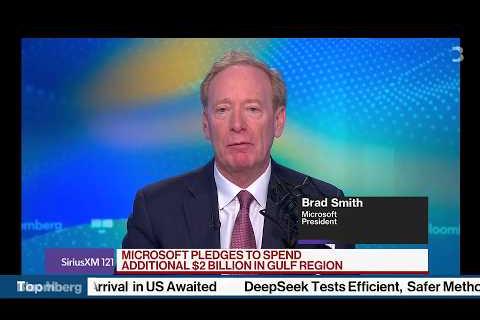
    The media coverage of this event, particularly from outlets like Bloomberg Television, highlights the significant global interest. The focus is on how this action shapes perceptions of President Trump’s leadership and US influence. It taps into broader discussions about national interest and international relations.

    This policy shift represents a tangible outcome of sustained diplomatic and security efforts. It also reflects the dynamic nature of international relations under the current US administration. The world watches to see the full impact of this change.

    A long-standing restriction lifted. New avenues for travel and commerce. A shift in diplomatic strategy.

    Engagement.

    Why Was the US Flight Ban to Lebanon Imposed?

    The US flight ban to Lebanon was primarily imposed due to severe security concerns during the 1980s. This period saw significant instability in the Middle East, including the 1985 hijacking of TWA Flight 847 by Hezbollah, which resulted in the death of an American citizen. The US government enacted the ban to protect American lives and interests, citing insufficient security measures at Beirut’s airport at the time.

    What are the Main Benefits of Lifting the Ban?

    Lifting the ban is expected to bring several key benefits. Economically, it should boost Lebanon’s tourism sector and facilitate trade between the two countries. Socially, it will ease travel for the large Lebanese-American diaspora, enabling easier family visits and cultural exchanges. Diplomatically, it signals renewed US confidence in Lebanon’s security capabilities and strengthens bilateral relations.

    How Did Lebanon Improve its Airport Security?

    Lebanon undertook substantial efforts to improve security at Beirut Rafic Hariri International Airport. These improvements included upgrading passenger screening technologies, enhancing baggage inspection systems, and bolstering overall perimeter security. US aviation security experts, including those from the Department of Homeland Security and the FAA, conducted multiple assessments and confirmed that these measures meet international standards.

    What are the Geopolitical Implications of This Decision?

    The geopolitical implications are significant. The decision signals US support for the Lebanese state, potentially strengthening moderate elements and countering regional influences. It could also facilitate increased intelligence sharing and cooperation on counterterrorism. While Hezbollah remains a concern, the move distinguishes between the Lebanese government and non-state actors, aiming to foster stability in a volatile region.

    When Will Direct Flights Between the US and Lebanon Resume?

    While the ban has been lifted, the resumption of direct flights will not be immediate. Airlines will need time to assess the commercial viability of new routes, secure regulatory approvals, allocate slots, and implement operational logistics. This process typically takes several months, so direct flights are expected to resume gradually in the coming months following the 2026-07-22 announcement.


  • Arizona’s 2026 Governor Race – Biggs and Hobbs Set for Showdown

    Arizona’s 2026 Governor Race – Biggs and Hobbs Set for Showdown

    The 2026 Arizona Gubernatorial Race Takes Shape

    The 2026 Arizona gubernatorial election is anticipated to feature a direct contest between U.S. Representative Andy Biggs and incumbent Governor Katie Hobbs. This matchup will place two prominent political figures in a high-stakes battle for the state’s top executive office. The race is expected to garner significant national attention, underscoring Arizona’s critical role in the broader American political landscape.

    Arizona has consistently demonstrated a finely balanced electorate. Recent election cycles have shown narrow margins of victory for both Republican and Democratic candidates in statewide races. This political equilibrium ensures that the 2026 gubernatorial contest will be highly competitive and well-funded.

    Andy Biggs: A Conservative Standard-Bearer

    Andy Biggs brings a long history of conservative advocacy to the potential gubernatorial race. He served as the U.S. Representative for Arizona’s 5th congressional district from 2017 to January 2027. During his tenure in Congress, Biggs was a prominent voice among conservative Republicans.

    Biggs is known for his fiscal conservatism and adherence to strict constitutional principles. Before his time in Washington D.C., Biggs served in the Arizona State Legislature. He held the position of President of the Arizona Senate from 2013 to 2017. His legislative experience spans both state and federal levels, providing him with a deep understanding of governance and policy-making.

    Biggs’s potential campaign is expected to focus on several key issues. These include border security, economic growth through deregulation, and limited government. His base of support typically includes staunch conservatives and voters concerned with federal overreach. He is likely to emphasize his record of opposing what he views as progressive policies. He also advocates for individual liberties.

    Katie Hobbs: Incumbency and First-Term Achievements

    Katie Hobbs, the incumbent Governor of Arizona, is expected to seek re-election in 2026. She assumed office on January 2, 2023, following a closely contested election in 2022. Prior to her governorship, Hobbs served as Arizona’s Secretary of State from 2019 to 2023. During this period, she oversaw election administration during a time of intense scrutiny.

    Her career also includes time in the Arizona State Legislature. She served in both the House of Representatives and the Senate. Hobbs rose to become the Senate Minority Leader during her legislative tenure. Governor Hobbs’s re-election campaign will likely center on her administration’s achievements during her first term.

    These achievements could include initiatives related to water conservation, education funding, and economic development. She is expected to highlight her efforts to foster bipartisan cooperation. Her campaign will also likely address critical state challenges. Her political appeal typically extends to moderate voters, Democrats, and independents. These groups often prioritize pragmatic governance and social programs.

    Arizona’s Battleground Status

    Arizona remains a pivotal swing state in American politics. Its electorate is consistently finely balanced, leading to highly competitive races. Recent election cycles have frequently resulted in narrow margins of victory for candidates from both major parties in statewide contests.

    This political equilibrium ensures that the 2026 gubernatorial contest will be intensely competitive. Both national parties and affiliated political action committees are expected to funnel significant resources into the state. This funding will support their respective candidates, indicating the national importance of the race.

    The outcome of the Arizona governor’s race often serves as a bellwether for broader national political trends. The state’s diverse demographics contribute to its complex political dynamics. These demographics include a growing Latino population and a mix of urban and rural communities. This diversity necessitates broad appeal for successful campaigns.

    Key Issues Dominating the Campaign

    Several key issues are likely to dominate the 2026 gubernatorial campaign in Arizona. These topics will shape public opinion and ultimately influence voter decisions. Immigration stands as a perennial issue in Arizona, given its border with Mexico. Candidates will likely present differing approaches to border security and immigration policy.

    Water rights represent another critical concern in the arid state. Ongoing drought conditions and increasing demand necessitate robust policy discussions. Education funding and reform will also be central, as both candidates seek to appeal to families and educators. Healthcare access and affordability remain significant issues for many Arizonans. Economic policy, including job growth, taxation, and regulation, will also feature prominently in debates.

    The candidates’ stances on these issues will be scrutinized by voters across the state. Public forums, debates, and campaign messaging will focus heavily on these policy areas. The ability to articulate clear and effective solutions will be crucial for both Biggs and Hobbs.

    Campaign Strategies and Voter Engagement

    As the 2026 election cycle progresses, both campaigns will deploy comprehensive strategies to engage voters. Early campaigning will involve grassroots efforts, town hall meetings, and targeted outreach to key demographic groups. Digital advertising and social media campaigns will play a significant role in disseminating messages and mobilizing support.

    Traditional media, including television and radio advertisements, will also be heavily utilized. The candidates will likely participate in multiple debates, offering direct comparisons of their policy positions and leadership styles. Fundraising efforts will intensify as the election approaches, with both candidates seeking to build substantial war chests to fund their operations.

    Voter registration drives and get-out-the-vote initiatives will be critical in the months leading up to November 2026. Both parties will focus on maximizing turnout among their respective bases. Independent and undecided voters will be a primary target for persuasion efforts, as their votes often determine the outcome in closely contested Arizona elections.

    The National Spotlight on Arizona

    Arizona’s status as a swing state means that the 2026 gubernatorial election will not only shape the state’s future but also draw national attention. Political analysts and media outlets from across the country will monitor the race closely. The results could offer insights into broader political trends and the mood of the American electorate.

    National party committees will invest heavily, recognizing the symbolic and strategic importance of Arizona’s governorship. The policies enacted in Arizona, particularly concerning border security and water management, often have implications beyond the state’s borders. The candidates’ performance and the election’s outcome will be dissected for their potential impact on future national elections.

    The contest between Biggs and Hobbs represents a clash of political ideologies and governing philosophies. Biggs, with his conservative platform, will appeal to voters seeking limited government and traditional values. Hobbs, as the incumbent, will emphasize her administration’s achievements and her pragmatic approach to state challenges. This dynamic sets the stage for a compelling and closely watched election.

    Political organizations will mobilize. Financial resources will flow. Debates will ignite. Arizona.