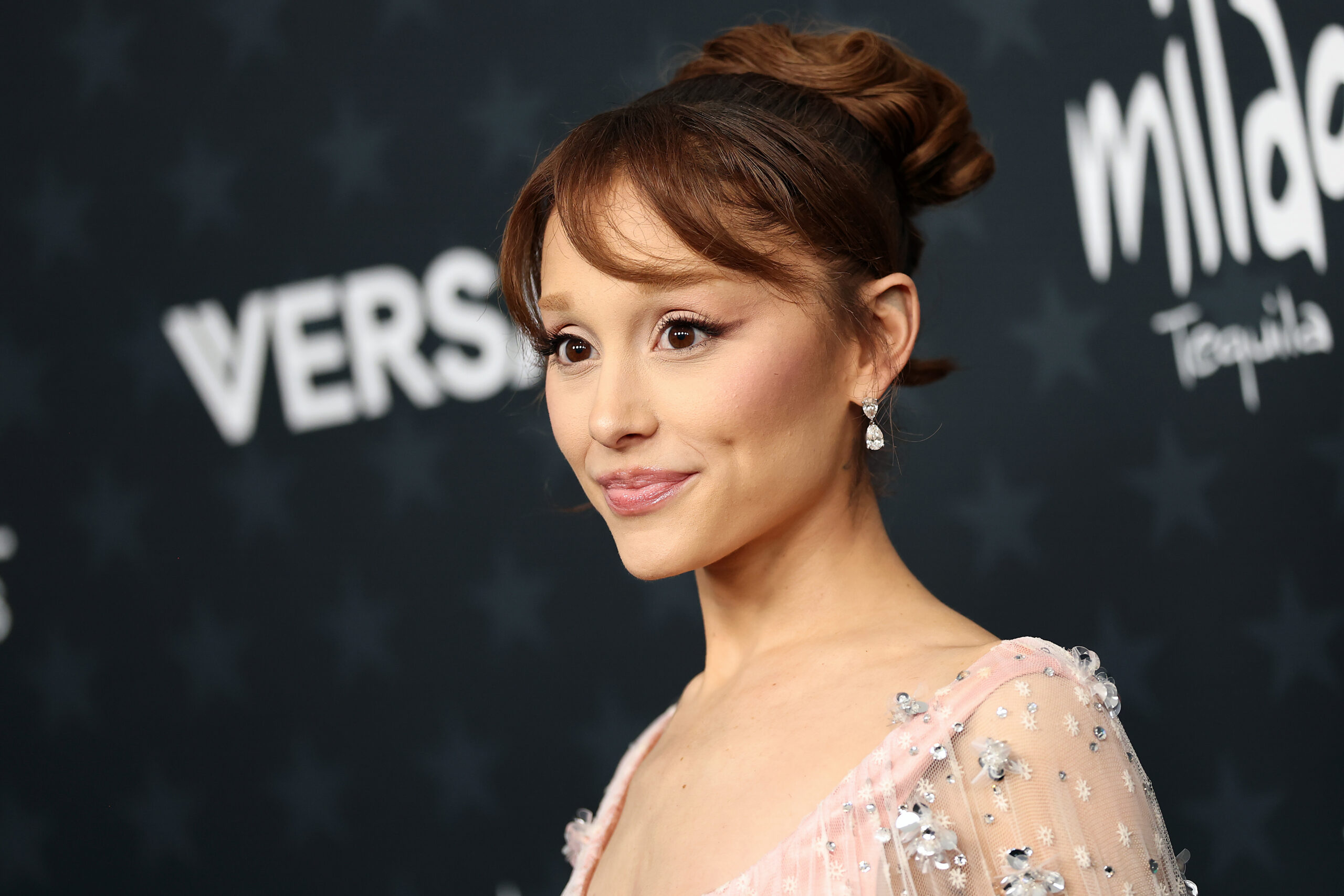
The Anatomy of Pop Star Scrutiny
Pop culture operates on proximity. Observers feel a sense of ownership over figures who grew up on screen. Ariana Grande entered the public consciousness as a teenager on Nickelodeon’s Victorious. Years of television appearances, chart-topping albums, and high-profile cinematic roles like Glinda in Wicked cement her place in the cultural landscape.
That visibility carries a cost. Whenever a public figure undergoes a physical shift, the comment sections ignite. Speculation replaces observation. Analysts parse red carpet photographs from events like the Met Gala or film premieres for signs of distress.
The discourse often wraps itself in the language of concern. Observers claim they simply want the artist to be healthy. In practice, the commentary functions as unsolicited diagnosis.
Why the Internet Insists on Diagnosing Celebrities
Digital platforms reward engagement. Outrage and speculation drive algorithmic visibility. When users comment on a singer’s weight or appearance, they participate in a decentralized surveillance apparatus.
Consider the historical precedent. In the 1990s and 2000s, tabloid culture subjected women like Britney Spears, Lindsay Lohan, and Jessica Simpson to relentless physical auditing. The medium has shifted from glossy magazine covers to TikTok breakdowns and X threads, but the mechanism remains identical.
Observers project their own anxieties onto famous bodies. The pop star becomes a blank canvas for cultural projection. If an artist looks slender, critics allege eating disorders. If an artist fluctuates, critics allege lifestyle failure.
The Illusion of Care
True concern respects boundaries. Public speculation disregards them entirely. When millions of strangers debate a person’s medical status based on a single press appearance, the dynamic ceases to be empathetic.
- Public figures surrender privacy regarding their art, not their biology.
- Speculation normalizes intrusive behavior toward everyday individuals.
- Media outlets profit from generating controversy out of physical changes.
Public fascination with pop star vulnerability invites protective yet inquisitive discussion from an older audience.
Audiences must examine the thin line between being a fan and acting as an inspector. Support does not require a stethoscope.
The Responsibility of Entertainment Journalism
Media platforms hold substantial influence over how audiences interpret celebrity behavior. Publications often frame physical commentary as cultural critique. Headlines deliberately Court controversy while offering hollow disclaimers about wellness.
Responsible reporting requires restraint. Covering an artist’s career trajectory does not mandate publishing galleries dedicated to anatomical analysis. When entertainment outlets treat a performer’s physical state as a developing news story, they validate invasive public curiosity.
The conversation needs a recalibration. Observers can acknowledge an artist’s output without conducting remote medical examinations. Artistry remains the primary transaction between the creator and the consumer.
Moving Past the Cycle
Cultural norms evolve slowly. The shift away from body-shaming in the late 2010s demonstrated that audiences can demand better standards from media ecosystems. Yet, subtle forms of physical scrutiny persist under the guise of concern.
Recognizing the harm requires identifying the pattern. Observers must separate genuine empathy from voyeuristic curiosity. Pop stars navigate immense professional pressure while performing under intense global spotlights.
Cameras flash. Articles publish. Commentators type. Restraint remains rare.
Leave a Reply