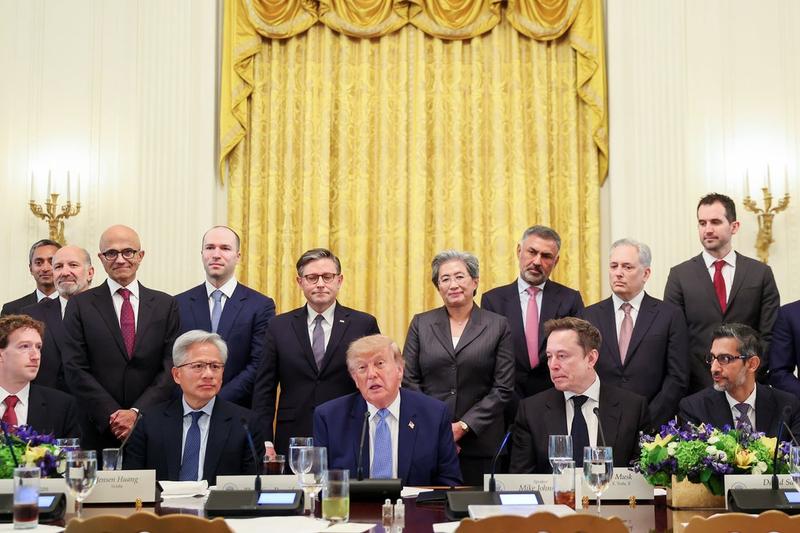
The Convergence of Tech and Policy
The burgeoning field of artificial intelligence has drawn its most prominent figures to the corridors of power in Washington D.C. These leaders are actively seeking to influence the regulatory framework that will govern AI’s future development and deployment. Their presence signifies a critical moment where technological innovation intersects directly with national policy.
Discussions often center on balancing rapid technological advancement with the need for robust safeguards. Executives from major AI companies are advocating for specific approaches to regulation, aiming to foster innovation while mitigating potential risks. This engagement highlights the industry’s recognition of government’s role in shaping public trust and market conditions.
Key Players and Their Agendas
Several high-profile CEOs are at the forefront of these discussions. Sam Altman, CEO of OpenAI, has been a vocal proponent for a balanced regulatory approach, emphasizing both the transformative potential and the societal challenges of advanced AI. His company, OpenAI, is a leading developer of large language models.
Satya Nadella, Chairman and Chief Executive Officer of Microsoft, also plays a significant role. Microsoft has substantial investments in AI research and development, including a partnership with OpenAI. Nadella’s engagement with Washington reflects Microsoft’s broad interest in ensuring a stable and predictable regulatory environment for AI technologies. More information on Microsoft’s AI initiatives can be found on their official website.
Sundar Pichai, CEO of Google and its parent company, Alphabet Inc., contributes to these dialogues from the perspective of a diversified tech giant. Google’s extensive AI research, from search algorithms to autonomous vehicles, positions Pichai as a key voice in policy discussions. Dario Amodei, CEO and co-founder of Anthropic, represents another significant AI developer, often focusing on AI safety and alignment.
Areas of Focus for AI Regulation
The discussions between AI leaders and Washington policymakers cover a wide array of topics. These include data privacy, algorithmic bias, national security implications, and the future of work. There is a shared understanding that AI’s pervasive nature requires careful consideration across multiple sectors.
Another critical area is the development of international standards for AI. Many executives advocate for global cooperation to prevent a fragmented regulatory landscape that could hinder innovation. Jensen Huang, co-founder, President, and Chief Executive Officer of NVIDIA, often emphasizes the need for infrastructure and ethical guidelines to support AI’s growth.
The Role of Industry Alliances
AI companies often form alliances to present a unified front to policymakers. These groups aim to streamline communication and advocate for common industry interests. Mark Zuckerberg, founder, chairman, and CEO of Meta Platforms, participates in these broader industry efforts, reflecting Meta’s significant investment in AI for social media and metaverse development.
Related: Publishers Navigate AI Content Market – Control and Compensation Concerns Mount
Arvind Krishna, Chairman and CEO of IBM, brings the perspective of an enterprise technology leader, often focusing on responsible AI deployment in business contexts. Thomas Kurian, Chief Executive Officer of Google Cloud, highlights the cloud infrastructure necessary for AI development and the associated regulatory considerations.
The Impact on Everyday Lives
The outcomes of these policy discussions will directly impact how AI technologies are integrated into daily life. Regulations could dictate everything from the transparency of AI systems to their use in critical applications like healthcare and finance. The goal is to harness AI’s benefits while safeguarding against potential harms.
The ongoing dialogue between AI’s biggest CEOs and Washington is a testament to the technology’s growing influence. It underscores the necessity of proactive governance in an era of rapid technological change. The decisions made today will shape the future trajectory of artificial intelligence and its societal implications.
Looking Ahead
The engagement is continuous. The landscape of AI technology evolves rapidly, necessitating ongoing dialogue and adaptive policy-making. The collaboration between industry and government aims to ensure that AI development proceeds responsibly and beneficially for all.
Sources
Sponsored · Plain-English guides on AI and client-data rules for CPA firms, law firms, and insurance and title agencies. institute.oriamai.online · Advertise on ByteSize Network