
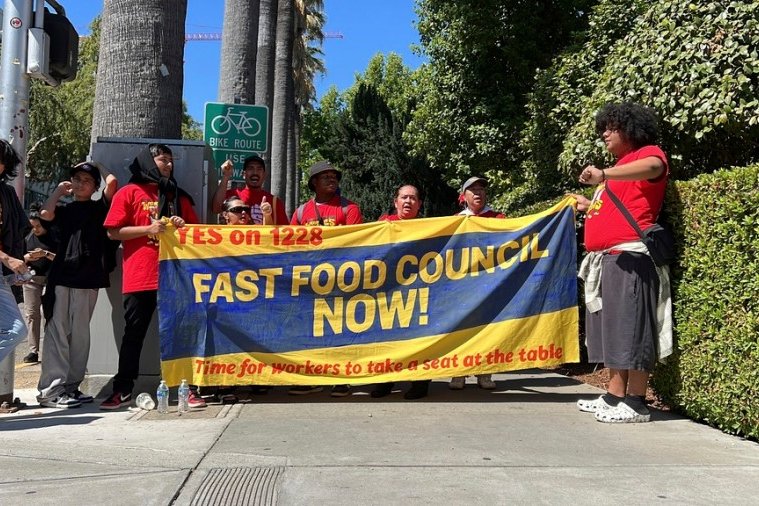
The affordability debate in Washington State is a multifaceted challenge. While housing costs frequently dominate discussions, the issue of wages, particularly the minimum wage, plays a critical role in the economic well-being of residents.
On January 1, 2026, the statewide minimum wage in Washington increased to $17.13 per hour for employees aged 16 and older. This adjustment aims to address rising living expenses, yet the effectiveness of such measures remains a subject of ongoing discussion among policymakers and economists.
The Landscape of Washington’s Minimum Wage
Washington State maintains one of the highest minimum wages in the United States. The January 1, 2026, increase to $17.13 per hour reflects an annual adjustment tied to inflation, a mechanism designed to help workers keep pace with the cost of living.
However, the statewide rate is not uniform across all jurisdictions. Several cities and counties have implemented their own higher minimum wage rates. These include major urban centers like Seattle, SeaTac, and Tukwila, alongside other municipalities such as Bellingham, Burien, Everett, King County, and Renton.
These localized increases reflect varying economic conditions and cost-of-living indices within different regions of the state. The patchwork of minimum wage rates creates a complex economic environment for businesses and employees alike.
Affordability Beyond Housing
While housing is a significant expenditure for many Washington residents, the concept of affordability encompasses a broader range of costs. These include transportation, childcare, healthcare, and groceries. When wages do not keep pace with these essential expenses, even a high minimum wage can fall short of ensuring economic stability.
Governor Bob Ferguson has identified making housing more affordable as a key priority. His agenda also includes strengthening education, improving public safety, and reducing costs for Washington families. These interconnected issues highlight the comprehensive nature of the affordability challenge.
The Political Stakes of 2026
The debate over wages and affordability will be a central theme in the upcoming 2026 elections. The Washington State Legislature, a bicameral body comprising the House of Representatives and the State Senate, will see significant changes.
All 98 seats in the Washington House of Representatives are up for election in 2026. Additionally, 24 out of 49 seats in the Washington State Senate will be contested. These elections provide an opportunity for voters to weigh in on economic policies, including those related to minimum wage, housing initiatives, and broader affordability measures.
Candidates will likely present differing approaches to addressing the state’s economic challenges. The outcomes of these elections will shape the legislative agenda and potentially influence future adjustments to wage policies and social programs designed to alleviate financial burdens on residents.
Economic Impact and Future Outlook
The ongoing discussion about wages and affordability involves various stakeholders, including labor unions, business owners, and advocacy groups. Labor organizations often argue for higher wages to ensure a living wage and improve workers’ quality of life. Businesses, particularly small businesses, sometimes express concerns about the impact of increased labor costs on their operational viability and competitiveness.
Economists offer varied perspectives on the long-term effects of minimum wage increases. Some studies suggest that higher wages can stimulate local economies by increasing consumer spending. Others point to potential negative impacts on employment levels or business profitability.
The statewide minimum wage in Washington is subject to annual adjustments based on the Consumer Price Index. This mechanism ensures that the wage rate continues to evolve with economic conditions. However, the debate extends beyond mere adjustments, touching upon fundamental questions of economic equity and sustainable growth.
Legislators will continue to grapple with balancing the needs of workers, businesses, and the overall economic health of the state. The 2026 elections will serve as a critical juncture for these discussions, influencing the direction of Washington’s economic policy for years to come.
Workers gathered. Businesses gathered. Legislators gathered. Washington.
Buying, Selling, or Investing in the Ozarks?
JL Group specializes in direct property acquisitions, wealth transfer, and hassle-free real estate transactions across Springfield.