
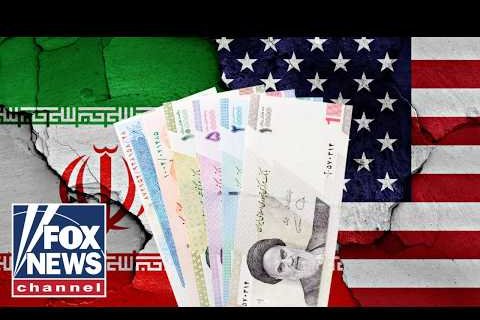
- The US launched “Operation Economic Outcast” on August 24, 2026, targeting Iran‘s economy.
- Five new sectors of the Iranian economy are now subject to expanded US secondary sanctions.
- Iran’s economy is projected to contract by 5.4% with 69% inflation in 2026.
- Iran’s President Masoud Pezeshkian reports a 25% to 35% decline in overall trade.
- The US Treasury sanctioned Golden Global Yatirim Bankasi Anonim Sirketi for facilitating Iranian oil revenues.
The Iranian economy is experiencing a severe crisis in 2026. Billions of dollars have been lost due to a combination of international sanctions and a US naval blockade. These measures have significantly restricted Iran’s ability to export oil and engage with the global market.
The US Department of the Treasury’s Office of Foreign Assets Control (OFAC) initiated “Operation Economic Outcast” on August 24, 2026. This operation is described as an “economic D-Day” against Iran. It marks a significant escalation in economic pressure.
What looks like a sudden collapse actually stems from years of escalating tensions and targeted financial actions. The current situation represents a critical phase in the ongoing economic confrontation.
Operation Economic Outcast Targets Key Sectors
“Operation Economic Outcast” expanded secondary sanctions under Executive Order 13902. Five additional sectors of the Iranian economy are now included. These are aviation, digital asset, gold, shipping, and technology.
These new targets supplement existing sanctions on the financial and petroleum and petrochemical sectors. The comprehensive nature of these sanctions aims to isolate Iran from the global financial system. The goal is to limit its access to foreign currency and trade.
Effective August 24, 2026, OFAC also suspended five Iran-related general licenses. These licenses previously authorized certain educational activities, noncommercial personal remittances, conference-related services, and sports activities/exchanges. This suspension further tightens restrictions on interactions with Iran.
Economic Contraction and Soaring Inflation
The International Monetary Fund (IMF) projects a 5.4% contraction for the Iranian economy in 2026. Inflation is expected to reach 69% within the same period. These figures highlight the severe economic distress within the country.
Iran’s President Masoud Pezeshkian has acknowledged the significant impact of these measures. He stated that Iran’s overall trade has declined by between 25% and 35%. This decline is directly attributed to US sanctions and the naval blockade.
The combination of reduced trade, limited oil exports, and high inflation creates a challenging environment for Iranian citizens and businesses. The economic pressures are pervasive across various aspects of daily life.
Targeting Financial Facilitators
US Treasury Secretary Scott Bessent announced further actions on September 4, 2026. The US imposed sanctions on the Turkish financial institution Golden Global Yatirim Bankasi Anonim Sirketi. Two of its subsidiaries were also sanctioned.
These entities are accused of facilitating the transfer of Iranian oil revenues. This action demonstrates the US commitment to disrupting Iran’s access to funds globally. It targets third-party facilitators who enable sanction evasion.
The US Department of the Treasury continues to monitor and act against networks that support Iran’s illicit financial activities. This includes entities in various countries that assist in circumventing sanctions. The Office of Foreign Assets Control (OFAC) is central to these enforcement efforts.
Historical Context of Sanctions
Sanctions against Iran have a long history, evolving over decades. They have often been implemented in response to Iran’s nuclear program, support for terrorism, and human rights abuses. The current measures represent an intensification of these long-standing policies.
The US naval blockade plays a critical role in enforcing these sanctions. It physically prevents the export of Iranian oil, a primary source of revenue for the government. This physical enforcement mechanism complements financial sanctions.
The economic impact of these combined strategies is designed to pressure the Iranian regime. The objective is to alter its policies and behaviors on the international stage. The Council on Foreign Relations provides extensive background on Iran sanctions.
Economies contract. Inflation soars. Trade routes close. Financial institutions are targeted. Licenses are suspended. The pressure mounts.
Iran.
-
What is “Operation Economic Outcast”?
“Operation Economic Outcast” is a US initiative launched by the Office of Foreign Assets Control (OFAC) on August 24, 2026. It significantly expands secondary sanctions against Iran, targeting five new economic sectors to further isolate the country financially.
-
Which sectors of the Iranian economy are now sanctioned?
As of August 24, 2026, the US has expanded sanctions to include Iran’s aviation, digital asset, gold, shipping, and technology sectors. These are in addition to existing sanctions on the financial and petroleum and petrochemical industries.
-
What is the projected economic impact on Iran in 2026?
The International Monetary Fund (IMF) projects that Iran’s economy will contract by 5.4% in 2026, with an anticipated inflation rate of 69%. Iran’s President Masoud Pezeshkian has also reported a 25% to 35% decline in overall trade.
-
Has the US sanctioned any foreign entities for facilitating Iranian oil revenues?
Yes, on September 4, 2026, US Treasury Secretary Scott Bessent announced sanctions against the Turkish financial institution Golden Global Yatirim Bankasi Anonim Sirketi and two of its subsidiaries for facilitating the transfer of Iranian oil revenues.
Automate Your Business Operations
Productized 7-day fixed-rate multi-agent AI automation for Springfield and Ozarks businesses. Eliminate software bloat and streamline media & operations.