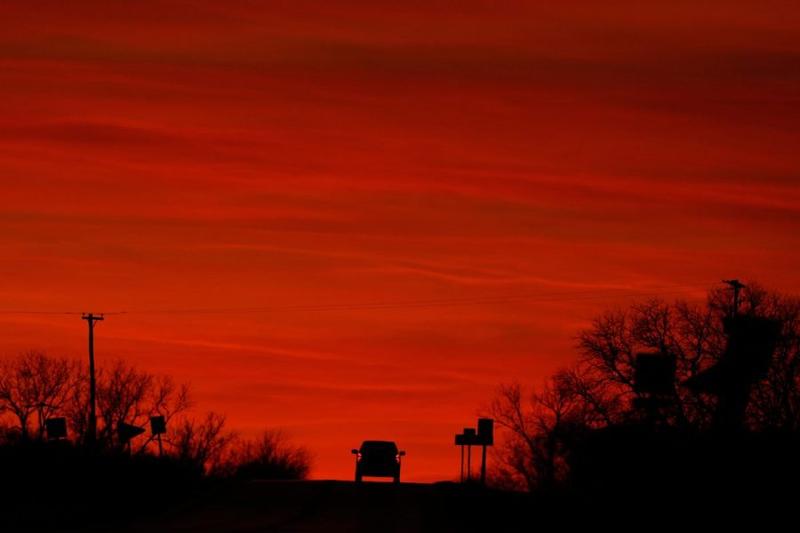
The annual return to Standard Time is scheduled for November 1, 2026. At 2:00 AM local time, most of the United States will set clocks back one hour to 1:00 AM. This adjustment marks the official end of Daylight Saving Time (DST) for the year.
This shift results in an immediate gain of one hour of sleep for many individuals. However, it also ushers in a period of earlier sunsets, making evenings darker sooner. Mornings, conversely, will become brighter earlier.
The Mechanics of the Time Change
Daylight Saving Time was initially implemented to conserve energy and make better use of daylight hours. The practice involves advancing clocks during warmer months and returning them to standard time in the fall. This system has been a subject of debate for decades, with arguments for and against its continuation.
The change on November 1, 2026, will affect nearly all U.S. states. Arizona and Hawaii, along with several U.S. territories, do not observe Daylight Saving Time and will not adjust their clocks. These regions maintain Standard Time year-round.
Seasonal Daylight Loss and Latitude
The shortening of daylight hours is a natural astronomical phenomenon that has been occurring gradually since the summer solstice. The end of DST accentuates this reduction by shifting the clock, making the effect more immediately noticeable.
The amount of daylight lost in the fall varies significantly by geographical location. Northern regions of the United States experience a more pronounced decrease in daylight compared to southern regions. For instance, states like Washington and Maine will see a more dramatic reduction in evening daylight than Florida or Southern California.
This latitudinal difference means that the impact of earlier sunsets is not uniform across the country. Communities in higher latitudes often feel the effects of shorter days more acutely, influencing activities and energy use.
Legislative Efforts for Permanent Daylight Saving Time
Efforts to make Daylight Saving Time permanent have gained traction in recent years. Proponents argue that permanent DST could reduce energy consumption, improve public safety, and boost economic activity by providing more daylight in the evenings. The U.S. House of Representatives passed the Sunshine Protection Act (H.R. 139) on July 14, 2026. This bill aimed to establish permanent Daylight Saving Time across the nation.
Despite the House’s approval, the Senate has not yet passed the Sunshine Protection Act. Consequently, the traditional clock change will proceed as scheduled on November 1, 2026. The legislative process for such a significant change often involves extensive debate and consideration of various impacts, including those on health, commerce, and education. More information on the history and rationale behind DST can be found on the Time and Date website.
Impact on Daily Life and Energy Consumption
The shift to Standard Time can influence daily routines. Many individuals report a temporary disruption to sleep patterns as their bodies adjust to the new clock time. The earlier onset of darkness in the evenings can also affect outdoor activities and commuting.
Related: North Carolina Candidate Jonathan Miller Arrested After Standoff
From an energy perspective, the original intent of DST was to reduce the need for artificial lighting in the evenings. However, modern research on energy savings from DST has yielded mixed results. Some studies suggest minimal or even increased energy consumption due to changes in heating and air conditioning use. The National Institute of Standards and Technology provides technical details on timekeeping, including DST.
Looking Ahead to Spring 2027
The cycle of Daylight Saving Time will resume in the spring of 2027. Clocks will once again spring forward, typically on the second Sunday in March, marking the beginning of longer daylight hours in the evenings. Until then, the colder months will feature earlier sunsets and brighter mornings.
The debate over the utility and future of Daylight Saving Time is expected to continue. Public opinion remains divided, and legislative proposals may re-emerge in future congressional sessions. For 2026, however, the clock change on November 1 remains a certainty.
The Seasonal Shift
Farmers gathered. Commuters adjusted. Legislators debated.
Time.
Sources
Sponsored · Put your business in front of ByteSize Network's readers, with every click measured. See advertising packages · Advertise on ByteSize Network