
Presented by 1889 Advertising. Our newsroom reported this story independently; 1889 Advertising sponsors its publication.
Hurricane Vance Forms Off Mexico Coast, Rapid Intensification Expected
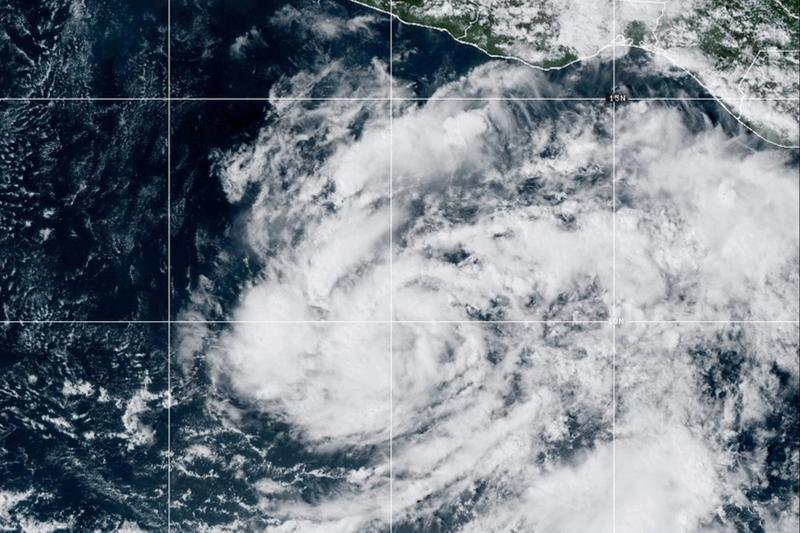
Tropical Storm Vance intensified into a hurricane off the coast of Mexico in the eastern Pacific Ocean on Friday, October 23, 2026. The storm currently maintains maximum sustained winds of 70-85 mph, with gusts reaching up to 105 mph, and is tracking northwest. Forecasters predict rapid intensification, with Vance expected to reach major hurricane status by early Saturday. As reported by The Independentthere are no immediate coastal watches or warnings in effect for Mexico. However, swells generated by Hurricane Vance are anticipated to affect portions of the southern and southwestern Mexican coast this weekend and into next week, potentially creating life-threatening surf and rip current conditions.
Official Statements and Verified Reaction
Authorities are closely monitoring Hurricane Vance’s trajectory and intensity. While no official statements regarding evacuations or specific coastal advisories have been issued as of Friday, October 23, 2026, residents in coastal areas of southern and southwestern Mexico are advised to monitor local weather updates. The National Hurricane Center (NHC) continues to issue regular advisories on Vance’s progress, emphasizing the potential for dangerous ocean conditions. Maritime interests in the eastern Pacific are urged to exercise extreme caution and stay informed about the storm’s development. The formation of Vance marks it as the twenty-third named storm of the 2026 hurricane season, which has been unusually active.
Auto-Enriched Background Context
Hurricane Vance’s formation on October 23, 2026, marks a significant development in the ongoing 2026 hurricane season, which has already been characterized by an elevated number of named storms. Tropical Storm Vance initially formed on Wednesday, October 21, 2026, and has since rapidly gained strength. The eastern Pacific hurricane season officially runs from May 15 to November 30 each year. This region frequently experiences powerful storms due to warm ocean waters and atmospheric conditions conducive to cyclone development. Mexico’s Pacific coast, stretching from Baja California Sur down to Chiapas, is particularly vulnerable to hurricane impacts, including high winds, heavy rainfall, storm surge, and dangerous surf.
Historically, Mexico has faced numerous devastating hurricanes from the Pacific. Notable examples include Hurricane Patricia in 2015, which became the strongest hurricane ever recorded in the Western Hemisphere with sustained winds of 215 mph, though it weakened significantly before making landfall. Other powerful storms like Hurricane Kenna in 2002 caused extensive damage along the Nayarit and Jalisco coasts. The country’s civil protection agencies, such as Protección Civil, have established protocols for monitoring, warning, and responding to tropical cyclones, including the deployment of emergency services and the establishment of shelters. The potential for life-threatening surf and rip currents from Hurricane Vance shows the importance of public awareness and adherence to local safety advisories, even in the absence of direct landfall. Such conditions can be extremely dangerous for swimmers and coastal activities, as seen in various incidents globally, including those that have led to injuries in other natural disasters like the Tibet earthquake. The ongoing hurricane season has seen several significant weather events, and the rapid intensification of storms like Vance remains a key concern for meteorologists and coastal communities. For more detailed information on hurricane preparedness and safety, the National Hurricane Center provides comprehensive resources.
Sponsored · Put your business in front of ByteSize Network's readers, with every click measured. See advertising packages · Advertise on ByteSize Network