The Capitol Hill Confrontation
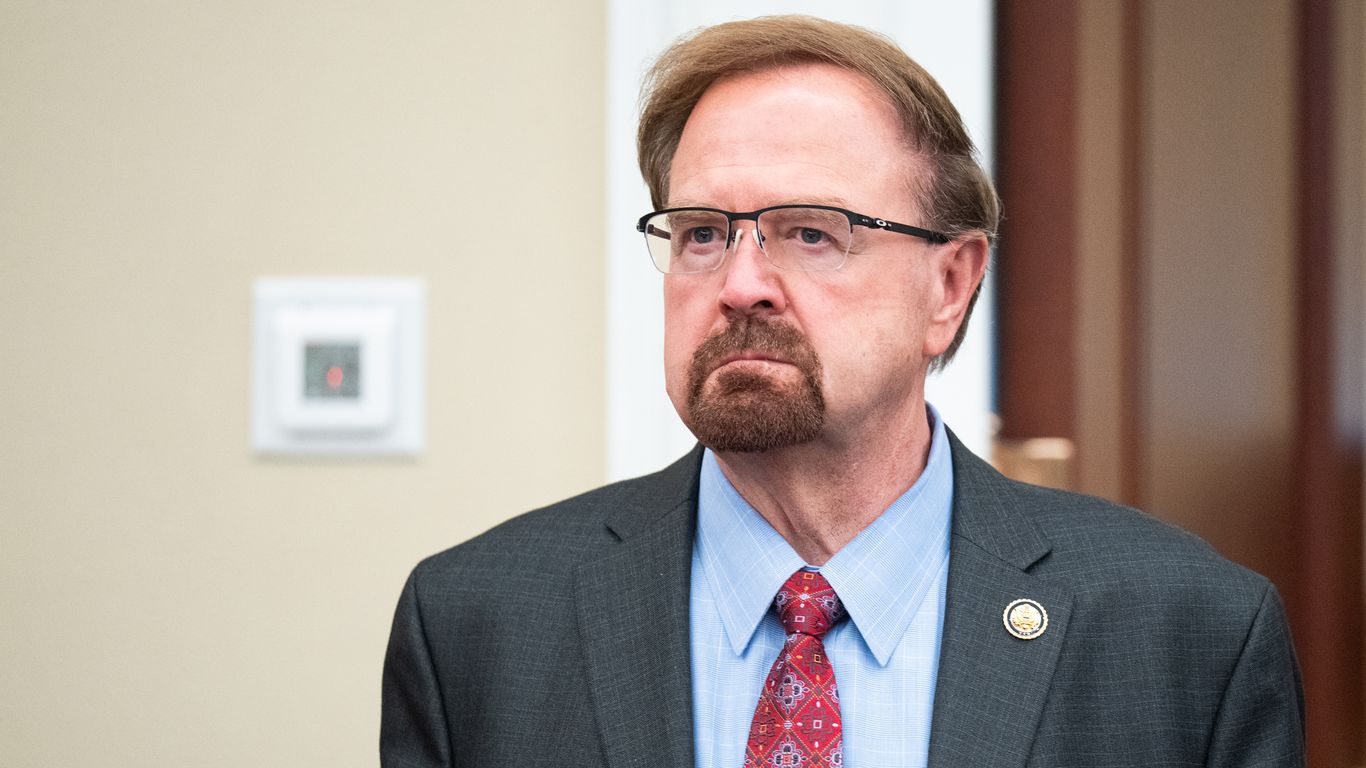
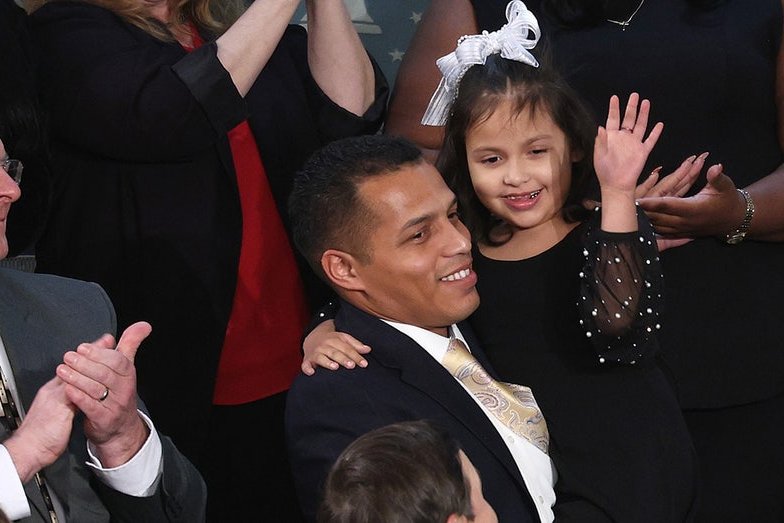
Marcus Coleman, a father whose daughter suffered permanent disabilities in a collision, recently confronted Democratic lawmakers. The incident involved an individual identified as an undocumented immigrant. Coleman appeared at a Capitol Hill hearing to voice his concerns and experiences.
During his testimony, Coleman rejected expressions of sympathy from Democratic members of Congress. He stated that such sentiments were inadequate in the face of his family’s ongoing hardship. His remarks underscored a deep frustration with current immigration policies.
The Impact of Sanctuary Cities
Coleman explicitly attributed his daughter’s permanent injuries to the existence of sanctuary cities. He argued that these municipal policies create an environment where such incidents are more likely to occur. His testimony highlighted a direct causal link in his view between policy and personal tragedy.
Sanctuary city policies generally limit local law enforcement’s cooperation with federal immigration authorities. Proponents argue these policies build trust between immigrant communities and police, encouraging crime reporting. Critics, like Coleman, contend they shield individuals who may pose a risk to public safety.
A Father’s Perspective
Coleman’s daughter sustained severe, lasting injuries in the collision. The specifics of her condition were not detailed, but the impact on her life is described as permanent. This personal tragedy forms the core of Coleman’s advocacy.
His appearance on Capitol Hill served as a platform to articulate the tangible consequences of immigration policies. He aimed to shift the focus from political rhetoric to the human cost. His rejection of sympathy was a demand for accountability and policy change.
The Broader Debate on Immigration
The incident involving Coleman’s daughter and his subsequent testimony contribute to a national debate on immigration. This debate encompasses border security, immigration enforcement, and the role of local jurisdictions. Sanctuary city policies remain a contentious point of discussion.
Advocates for stricter immigration enforcement often cite cases like Coleman’s. They argue that current policies fail to protect citizens. Conversely, those who support sanctuary policies emphasize humanitarian concerns and the integration of immigrant communities.
Political Divides and Personal Stories
The exchange on Capitol Hill highlighted the deep political divides surrounding immigration. Coleman’s personal story served as a powerful, emotional counterpoint to policy discussions. His testimony aimed to humanize the impact of legislative decisions.
His direct challenge to Democratic lawmakers underscored a perceived disconnect. He suggested that expressions of sympathy, without corresponding policy action, were insufficient. The hearing became a forum for a father’s grief and a call for systemic change.
The Call for Accountability
Coleman’s testimony was not merely an expression of pain. It was a demand for accountability from elected officials. He sought to hold policymakers responsible for the outcomes he believes their decisions facilitate.
The incident involving his daughter is presented as a direct consequence of specific policy choices. His message was clear: the time for sympathy has passed; the time for action is now. His voice amplified a segment of the population deeply affected by immigration issues.
The Ongoing Discussion
The discussion surrounding immigration policy continues to evolve. Incidents like the one involving Marcus Coleman’s family frequently reignite public debate. These personal narratives often shape public opinion and political discourse.
Lawmakers, advocacy groups, and affected families engage in ongoing dialogue. The goal for many is to find solutions that address both humanitarian concerns and public safety. Coleman’s testimony added a critical, personal dimension to this complex national conversation.
Powered by Phyllis Ann Data, Enterprise Data as a Service. Premium insights for businesses.