Tag: Capitol Hill

  • The 2026 Midterm Spending Paradox: Why Congressional Stopgap Battles Mask a Deeper Institutional Fatigue

    The 2026 Midterm Spending Paradox: Why Congressional Stopgap Battles Mask a Deeper Institutional Fatigue

    Key Takeaways:
    • Congress faces a September 30 deadline to avoid a government shutdown, with stopgap measures likely.
    • Both parties are leveraging funding debates for 2026 midterm campaign messaging, prioritizing political optics over fiscal stability.
    • Public sentiment indicates growing frustration with Washington’s inability to govern effectively, impacting trust in democratic institutions.
    • The cycle of short-term fixes perpetuates instability, hindering long-term policy and exacerbating national challenges.

    The August Recess Illusion and the Looming September 30 Cliff

    The August Congressional recess, traditionally a period for lawmakers to reconnect with constituents and recharge, has concluded. Yet, for many, it served less as a respite and more as a prelude to an inevitable fiscal confrontation. As of August 18, 2026, the federal government is just 43 days away from the September 30 deadline, when current appropriations expire. The familiar specter of a government shutdown looms large, a recurring narrative that has become less a warning and more a predictable seasonal event in American politics.

    Behind the scenes, the mechanics are already in motion. Committee work on the 12 annual appropriations bills remains largely stalled, a consequence of deep partisan divides over spending priorities, debt ceilings, and the very role of federal intervention. The House, narrowly controlled by one party, and the Senate, with its razor-thin majority for the other, are locked in a legislative stalemate. This dynamic ensures that comprehensive, long-term funding solutions are politically unpalatable, if not impossible, in the current climate. Consequently, the most probable outcome is another Continuing Resolution (CR) a stopgap measure designed to keep the government funded at existing levels for a short period, typically until December. This tactical retreat avoids immediate catastrophe but postpones genuine resolution, kicking the fiscal can down the road with increasing velocity.

    The Appropriations Chessboard and Midterm Campaign Pressures

    The impending September 30 deadline is not merely a bureaucratic hurdle; it is a critical battleground for the 2026 midterm elections. Both major parties are acutely aware that their handling of the budget crisis will be scrutinized by voters and weaponized by opponents. For the party in power, a shutdown represents a failure of governance, a potent attack line for the opposition. For the minority party, it is an opportunity to highlight perceived fiscal irresponsibility or overreach by the majority, even if their own obstruction contributes to the impasse.

    “Every dollar debated, every amendment proposed, every procedural vote taken, is being filtered through the lens of November 2026. The actual impact on federal agencies or public services often becomes secondary to the political optics.”

    Key policy riders, often unrelated to the core function of government funding, are being strategically inserted into appropriations bills. These riders, addressing everything from environmental regulations to social issues, serve as litmus tests for ideological purity and provide fodder for campaign ads. The goal is not necessarily to pass these measures, but to force opponents into politically uncomfortable votes. This appropriations chessboard, where every move is calculated for its electoral impact, further entrenches gridlock. The incentive structure rewards confrontation over compromise, ensuring that the ‘crisis’ itself becomes a valuable political commodity.

    The Mirror Turn: Public Fatigue and the Price of Governance by Crisis

    While Washington engages in its perennial fiscal drama, a significant shift is occurring in the public consciousness. Polling data consistently indicates a growing exhaustion with institutional gridlock. Voters, regardless of their political affiliation, express frustration with a system that appears incapable of performing its most basic function: funding the government without resorting to last-minute, high-stakes maneuvers. This fatigue is not merely about specific policies; it is about a deeper erosion of trust in the efficacy and legitimacy of democratic institutions.

    The constant cycle of crisis governance has tangible consequences. Federal agencies operate under perpetual uncertainty, hindering long-term planning and recruitment. Essential services face potential disruptions. But perhaps more insidious is the psychological toll on the electorate. When the political system consistently prioritizes partisan skirmishes over stable governance, it fosters cynicism and disengagement. This ‘mirror turn’ reflects a public that is increasingly viewing Washington’s theatrics not as high drama, but as a repetitive, self-serving spectacle.

    The price of this governance by crisis is steep. It diminishes the public’s belief in collective problem-solving and reinforces the perception that political leaders are more interested in power than progress. As the September 30 deadline approaches, the question is not just whether a shutdown will be averted, but what further damage this predictable, yet avoidable, crisis will inflict on the already fragile trust between the governed and their governors. The clock ticks, not just on appropriations, but on the patience of a weary public.

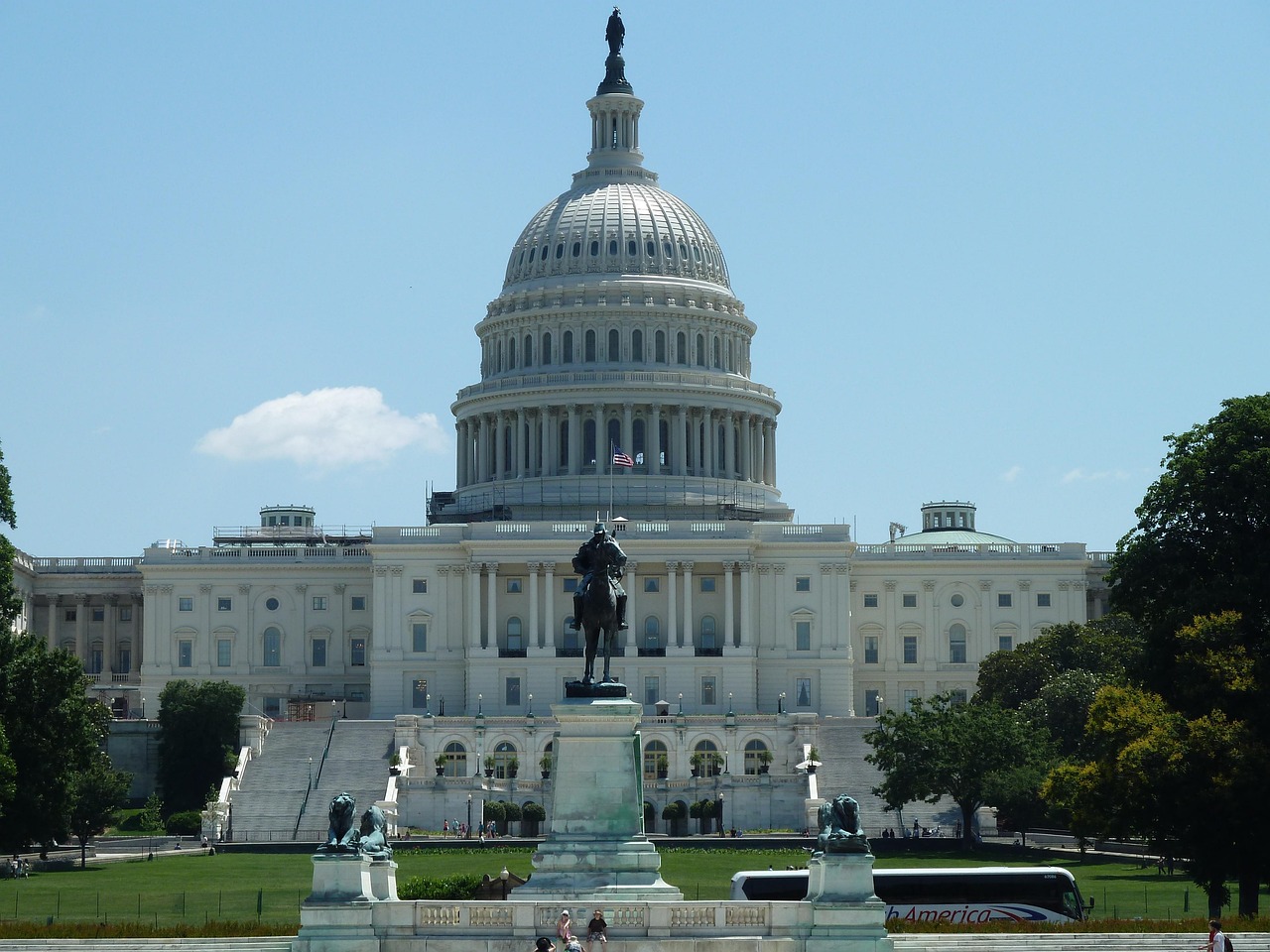
    The Capitol dome, bathed in the late afternoon sun, stands silent.

    Frequently Asked Questions

    Q: What is a ‘stopgap funding showdown’?

    A stopgap funding showdown refers to the annual or semi-annual legislative battle in the U.S. Congress to pass temporary spending measures, known as Continuing Resolutions (CRs), when the 12 regular appropriations bills are not enacted by the September 30 deadline. These showdowns often involve intense partisan negotiations and the threat of a government shutdown.

    Q: How do midterm elections influence these funding battles?

    Midterm elections significantly amplify the political stakes of funding battles. Both parties use the budget process to position themselves favorably for the upcoming elections, often prioritizing messaging and politically advantageous votes over bipartisan compromise. This can lead to increased gridlock as each side seeks to highlight the perceived failures of the other.

    Q: What are the long-term consequences of perpetual ‘governance by crisis’?

    Perpetual governance by crisis erodes public trust in institutions, hinders effective long-term policy planning for federal agencies, and can lead to economic instability. It also fosters political cynicism, making it harder to address complex national challenges and potentially contributing to voter disengagement.

  • Miller Calls for His Own Ethics Probe Following Allegations

    Miller Calls for His Own Ethics Probe Following Allegations

    The Call for Self-Investigation

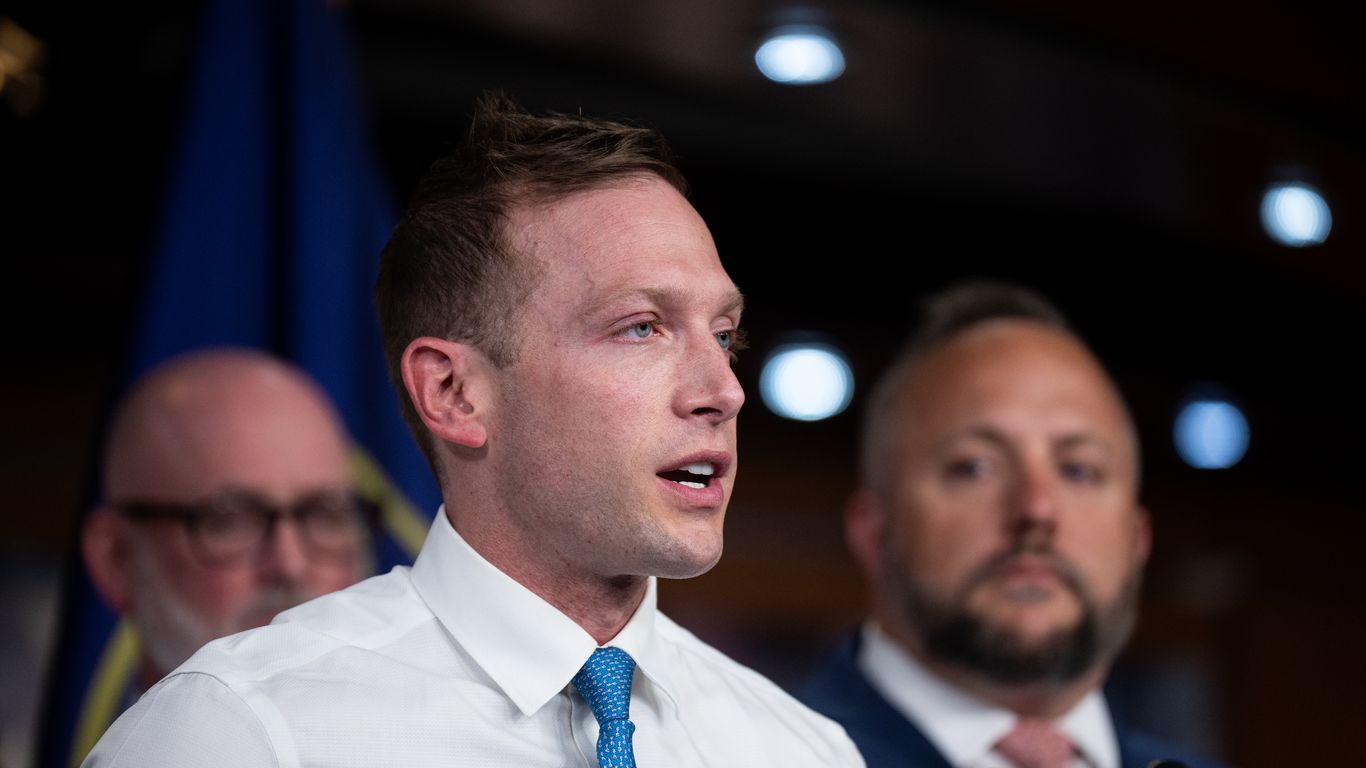
    Representative Max Miller has taken the unusual step of calling for a congressional ethics investigation into his own conduct following severe abuse allegations. The announcement came amidst growing political pressure on Capitol Hill, as lawmakers from both parties face heightened scrutiny regarding personal accountability and institutional standards.

    By initiating a self-referral to the House Ethics Committee, Miller attempts to steer the narrative toward a formal, transparent review process. Observers note that voluntary investigations are relatively rare in modern American politics, often deployed as a defensive strategy to signal cooperation and mitigate further reputational damage.

    Background and Political Implications

    The allegations against Miller surface at a delicate time for the legislative branch, which has continually battled public skepticism regarding its internal disciplinary mechanisms. Ethics panels have historically faced criticism for moving too slowly or shielding members from political consequences.

    • Formal request submitted directly to the House Ethics Committee.
    • Bipartisan pressure mounting over institutional standards.
    • Potential ramifications for upcoming legislative agendas and committee assignments.

    Constituents and political analysts are closely watching how House leadership responds to the self-referral. The committee now faces the task of determining the scope and timeline of the inquiry without appearing partisan or lenient.

    Institutional Integrity on Capitol Hill

    The mechanism of the House Ethics Committee remains the primary internal body for policing member behavior under federal guidelines. When a sitting member invites scrutiny, it forces the bipartisan panel to either launch a thorough fact-finding mission or risk accusations of institutional cover-up.

    As the investigation moves forward, the focus will remain on verifiable evidence, witness testimony, and adherence to House rules. The outcome could set a significant precedent for how future lawmakers handle personal scandals and allegations of misconduct.

    What Happens Next?

    The House Ethics Committee must formally vote to accept the referral and outline the parameters of the probe. Subpoenas, interviews, and public reports typically follow if substantial evidence warrants further action. Until then, political fallout continues to ripple through Washington.

  • McCormick’s Intern ‘Hook Up’ Comment – D.C. Drama Goes Viral

    McCormick’s Intern ‘Hook Up’ Comment – D.C. Drama Goes Viral

    U.S. Representative Rich McCormick recently made a public comment suggesting that Republican interns could engage in romantic relationships with Democratic counterparts. The remark, quickly picked up by TMZ, sparked immediate and widespread discussion across political and social circles. It highlighted the complex social dynamics that exist even within the highly partisan environment of Washington D.C., prompting varied interpretations and intense scrutiny.

    The Origin of the Remark: TMZ and Viral Spread

    Representative Rich McCormick, a Republican representing Georgia’s 7th congressional district, delivered the comment during a public interaction. The specific phrasing, suggesting that GOP interns could ‘hook up’ with Democrats, was concise yet provocative. Its casual nature, combined with the subject matter, ensured its rapid dissemination.

    TMZ, known for its focus on celebrity news and viral content, was among the first outlets to report on McCormick’s statement. This immediate media attention propelled the remark beyond traditional political news cycles. It quickly entered popular culture, reaching a broad audience unfamiliar with typical congressional proceedings.

    The speed at which the comment spread underscored the contemporary media landscape. Statements made by public figures, regardless of their intended gravitas, can instantly become national talking points. The incident demonstrated the power of digital platforms and entertainment news in shaping political narratives.

    McCormick’s Background and Political Stance

    Representative McCormick was first elected to Congress in 2022. He is a former emergency room physician and a Marine Corps veteran, bringing a non-traditional background to Capitol Hill. His political platform typically centers on fiscal conservatism, healthcare reform, and national security.

    His tenure has seen him engage in numerous legislative debates and committee work. However, this particular comment diverted significantly from policy-focused discussions. It instead ventured into the realm of social observation, touching upon the personal lives of congressional staff.

    The remark was interpreted by some as an attempt at humor. Others viewed it as a candid, if unfiltered, observation on the social interactions that occur within the political ecosystem. Regardless of intent, the comment had a tangible impact on public perception and political discourse.

    Immediate Reactions and Diverse Interpretations

    The comment from Representative McCormick elicited a broad spectrum of immediate reactions. It was widely characterized as a ‘provocative political statement.’ This descriptor suggests that the remark, whether intentionally or not, was designed to stimulate debate and challenge conventional notions of decorum in political speech.

    Social media platforms, including X (formerly Twitter), Facebook, and Reddit, became immediate conduits for public discussion. Political commentary websites and news aggregators amplified the story. Individuals from across the political spectrum weighed in with their perspectives.

    Some observers interpreted the comment as a lighthearted, albeit potentially unrefined, observation about human nature. They suggested it highlighted the idea that personal connections can transcend rigid political divides. This viewpoint often excused the language as a form of casual banter.

    Conversely, a significant portion of the public and political commentators viewed the remark as inappropriate for an elected official. Critics argued that the statement trivialized the professional environment of Congress. They also raised concerns about the implicit objectification of young, often unpaid, interns.

    The Connotations of ‘Hook Up’ in Political Discourse

    The specific phrase ‘hook up’ carries distinct connotations in contemporary English. It generally implies casual romantic or sexual encounters, often without the expectation of a long-term relationship. The use of this informal terminology added a layer of controversy to McCormick’s statement.

    In a professional setting like Capitol Hill, such language can be perceived as unprofessional or dismissive. When applied to young interns, it can also raise questions about power dynamics and workplace ethics. The choice of words significantly shaped the public’s reception of the comment.

    The incident highlighted the challenges public figures face in controlling the narrative around their statements. Once a remark enters the public domain, particularly through viral channels, its interpretation can quickly diverge from the speaker’s original intent. The informal phrasing contributed directly to its polarizing effect.

    Political Discourse in a Polarized Era: 2026 Context

    The year 2026 continues to be defined by a highly polarized political landscape in the United States. Discussions between the Republican and Democratic parties frequently devolve into partisan divides, with perceived common ground often elusive. Representative McCormick’s comment inadvertently tapped into these prevailing dynamics.

    Elected officials and other public figures operate under intense scrutiny. Every statement, whether delivered formally in a legislative chamber or informally in a public setting, can be amplified, dissected, and analyzed. The pervasive nature of social media and 24-hour news cycles ensures that controversial remarks quickly become national talking points.

    This incident also reflected a broader trend in modern political communication. The boundaries between personal observation, strategic political maneuvering, and accidental gaffe have become increasingly blurred. Officials must navigate a complex terrain where their words are constantly evaluated for their political, social, and ethical implications.

    The Role of Media in Amplifying Political Statements

    The involvement of outlets like TMZ in reporting on McCormick’s comment exemplified a shift in media consumption. What might once have been confined to political gossip within Washington D.C. now quickly reaches a mass audience. This broad dissemination shapes public perception and intensifies debate.

    Traditional news organizations often follow the lead of viral content, providing further analysis and commentary. This layered media coverage ensures that provocative statements gain prolonged attention. It also means that the initial context of a remark can be overshadowed by subsequent interpretations and reactions.

    The media’s role in amplifying such comments contributes to the fast-paced and often reactive nature of contemporary political discourse. Public figures are increasingly aware that their words can be taken out of context or reinterpreted in ways they did not intend, often with significant political consequences.

    Life as a Congressional Intern: Beyond the Politics

    Internships on Capitol Hill represent a foundational experience for many individuals aspiring to careers in politics, public service, and law. These roles are often demanding, characterized by long hours, low or no pay, and a significant commitment. Interns, typically college students or recent graduates, are immersed in the daily operations of legislative offices.

    The social environment for interns in Washington D.C. is distinctive. Many interns live in close proximity, often in shared housing. They work in shared office spaces and frequently interact with peers from various congressional offices, regardless of party affiliation. This proximity and shared experience often lead to the formation of strong social networks.

    Despite the intense political rivalries at higher levels of government, personal relationships can and do develop among staff members from different offices and political parties. These connections often form outside the formal political arena, during social gatherings, happy hours, or shared commutes.

    Social Dynamics and Inter-Party Connections

    Representative McCormick’s comment, therefore, touched upon a known, if often unspoken, aspect of intern life. The concept of inter-party relationships among young staff members is not entirely novel. The public acknowledgment by an elected official, however, brought this informal reality into the formal political discourse.

    The comment might also be seen as an acknowledgment of the shared human experience that underlies political differences. Even in environments designed for partisan conflict, individuals form connections based on shared experiences, proximity, and personal chemistry. These human elements often transcend the political labels assigned to individuals.

    For interns, navigating the social landscape of D.C. is part of the overall experience. They learn to balance professional duties with personal lives, often forming friendships and relationships that can last well beyond their internship terms. The comment, for some, simply articulated an open secret about this aspect of intern culture.

    Historical Parallels: Bridging the Political Divide

    The history of American politics offers numerous examples of personal relationships bridging partisan divides. While the political climate has intensified in recent decades, historical records illustrate instances of friendships, marriages, and even romantic relationships between individuals from opposing political parties.

    During earlier eras, Washington D.C. society often functioned with a greater degree of social mixing among political opponents. Social events, formal dinners, and informal gatherings frequently included members from both sides of the aisle. These interactions sometimes fostered personal bonds that could soften the edges of political rivalry and facilitate bipartisan cooperation.

    The phenomenon of inter-party marriage, for example, is not uncommon throughout American history. Spouses from different political affiliations often navigate their ideological differences in private, while maintaining their public political stances. These relationships highlight the complex interplay between personal and professional lives in politics, demonstrating that political divisions do not always dictate personal connections.

    Shifting Social Norms in Washington D.C.

    Representative McCormick’s remark, in a way, echoed this historical reality by suggesting that fundamental human interactions, including romantic ones, can still occur across party lines. It pointed to the idea that despite the current political polarization, younger generations entering the political arena might continue to form such connections.

    However, the context of these interactions has evolved. Modern D.C. is often perceived as more segregated along partisan lines, particularly in social settings. The comment, therefore, might also be interpreted as a commentary on the lingering social fluidity that still exists, especially among younger, less entrenched political actors.

    The incident prompted reflection on whether such casual inter-party connections are still as prevalent or as openly acknowledged as they might have been in previous decades. It opened a dialogue about the evolving social norms and expectations within the nation’s capital.

    The Role of Humor and Controversy in Political Communication

    Humor often serves as a complex tool in political communication. It can be used to defuse tension, build rapport, or deliver sharp critiques. However, political humor also carries inherent risks, particularly when delivered by elected officials in public forums.

    Representative McCormick’s comment, if intended as humor, failed to land universally. For some, it was perceived as a harmless jest. For others, it was seen as inappropriate, trivializing, or even offensive. This disparity in reception highlights the subjective nature of humor, especially in a politically charged environment.

    Controversy, whether intentional or accidental, frequently generates significant media attention. In the modern political landscape, attention itself can be a valuable commodity. Generating controversy can elevate a politician’s profile, even if the attention is negative in nature. This dynamic complicates how public statements are evaluated.

    Navigating Public Perception and Accountability

    The incident placed Representative McCormick under a spotlight, prompting questions about accountability for public statements. Elected officials are expected to uphold certain standards of conduct and communication. Remarks perceived as unprofessional or insensitive can lead to calls for apologies or explanations.

    The public reaction to McCormick’s comment underscored the constant negotiation between freedom of speech and the responsibilities of public office. Politicians must weigh the potential impact of their words on their constituents, their colleagues, and the broader political discourse.

    Ultimately, the episode served as a reminder of the delicate balance politicians must strike. They must communicate authentically while also being acutely aware of how their words will be received and interpreted by a diverse and often critical public. The fallout from such comments can be swift and far-reaching.
  • Rep. Tim Burchett: The Case for Capitol Hill’s Funniest Lawmaker

    Rep. Tim Burchett: The Case for Capitol Hill’s Funniest Lawmaker

    The Rise of Political Humor on Capitol Hill

    Representative Tim Burchett, serving Tennessee’s 2nd congressional district, has positioned himself as a leading contender for the unofficial title of Capitol Hill’s funniest lawmaker. His public appearances and interactions often feature a blend of sharp wit and self-deprecating humor, distinguishing him from many of his congressional colleagues. This approach injects a sense of levity into the often-tense political landscape of Washington D.C., drawing attention from various media outlets, including TMZ.

    The role of humor in politics is not new, but its application by figures like Burchett reflects a modern adaptation. In an era dominated by social media and instant commentary, politicians increasingly utilize personality traits, including comedic timing, to cultivate a relatable public image. This strategy aims to bridge the gap between elected officials and the electorate, fostering a more approachable perception of government.

    A Distinctive Voice from Tennessee

    Burchett’s political career began in Tennessee, where he served in both the State House of Representatives and the State Senate before being elected as the Mayor of Knox County. His journey to Washington D.C. in 2019, representing the 2nd congressional district, brought his unique communication style to a national stage. His humor often draws from his East Tennessee roots, incorporating folksy wisdom and straightforward observations that resonate with a broad audience.

    His comedic delivery is characterized by an unpretentious demeanor. He frequently employs sarcasm and wry commentary, often directed at the intricacies of Washington bureaucracy or the absurdities of political life. This style stands in stark contrast to the often-scripted and carefully curated public images of many politicians, making his authenticity a significant part of his appeal.

    Humor as a Political Tool

    The strategic deployment of humor in politics serves multiple purposes. For Burchett, it can disarm opponents, lighten the mood during contentious debates, and make complex issues more accessible to the public. It also humanizes the politician, allowing constituents to see beyond the policy positions and connect with the individual.

    This approach can be particularly effective in an environment where public trust in institutions is often low. A politician who can make people laugh might be perceived as more genuine and less entrenched in the often-criticized partisan divide. Burchett’s humorous quips and anecdotes often go viral on social media platforms, further amplifying his reach and reinforcing his image as a relatable figure.

    Navigating the Seriousness of Office

    Balancing humor with the serious responsibilities of congressional office is a delicate act. Burchett, like other politicians who use comedy, must ensure that his jokes do not undermine the gravity of legislative work or alienate segments of his constituency. His humor tends to be observational rather than divisive, focusing on shared experiences or the universal peculiarities of human behavior and political systems.

    His comedic style is often described as good-natured, avoiding the harsh personal attacks that characterize much of modern political rhetoric. This deliberate choice allows him to maintain an image of an affable, approachable public servant, even when discussing serious policy matters or engaging in political disagreements.

    The Media’s Role in Amplifying Political Personalities

    Media outlets like TMZ play a crucial role in shaping the public perception of politicians like Burchett. By highlighting his humorous moments, these platforms contribute to his persona as the ‘funniest lawmaker.’ This coverage often transcends traditional political reporting, reaching audiences who might not typically engage with congressional news.

    The emphasis on personality in media coverage reflects a broader shift in how political figures are consumed by the public. Beyond policy debates and legislative actions, voters are increasingly interested in the human side of their representatives. Stories that emphasize character, wit, and relatability gain traction, influencing public opinion and engagement.

    The Impact on Political Discourse

    The rise of politicians known for their humor, such as Representative Burchett, suggests a subtle but significant change in political discourse. It indicates a growing acceptance, and perhaps even demand, for authenticity and personality in public office. This trend could lead to a more diverse range of communication styles being employed by political leaders, moving beyond traditional, formal rhetoric.

    While humor can be a powerful tool for connection, it also carries risks. A joke can be misinterpreted, or fall flat, potentially causing unintended controversy. However, Burchett’s consistent use of humor indicates a calculated strategy that has largely succeeded in cultivating a positive and memorable public image.

    Historical Precedents for Political Humor

    The intersection of humor and politics has a long history. Figures such as Abraham Lincoln were known for their storytelling and wit, using anecdotes to illustrate points or lighten tense situations. More recently, figures like Ronald Reagan were celebrated for their ability to deliver a well-timed joke, often diffusing criticism or rallying support.

    Burchett’s approach builds on this tradition, adapting it for the modern media landscape. His humor is often spontaneous, captured in candid moments that then circulate widely online. This immediacy is a hallmark of contemporary political communication, where authenticity is often valued above polished statements.

    Connecting with Constituents Beyond Policy

    For Representative Burchett, humor is more than just a personal trait; it is a means of connecting with his constituents on a deeper level. By presenting himself as someone who doesn’t take himself too seriously, he fosters a sense of approachability that can be rare in Washington D.C. This connection can translate into greater trust and engagement from the electorate.

    His ability to laugh at himself and the often-absurd nature of politics provides a refreshing perspective. It suggests a leader who understands the challenges facing everyday Americans, while also possessing the resilience and good spirits to navigate the complex world of federal governance.

    The Future of Political Personalities

    As the political landscape continues to evolve, the role of personality will likely become even more pronounced. Politicians who can effectively leverage their unique traits, including humor, to connect with voters will find an advantage. Representative Burchett stands as an example of this evolving political archetype.

    His ongoing bid for the title of Capitol Hill’s funniest lawmaker is not merely about entertainment. It is about crafting an identity, engaging with the public, and demonstrating that even in the most serious of professions, there is room for levity and human connection. His humor serves as a reminder that politicians are individuals, each bringing their own distinct character to public service.

    Legislators gathered. Media outlets gathered. Constituents gathered. Burchett.


  • Beyond Resignations – The Mechanics of Sexual Misconduct Reform in Congress

    Beyond Resignations – The Mechanics of Sexual Misconduct Reform in Congress

    Genuine sexual misconduct reform in the United States Congress requires dismantling the legal and procedural architecture that shields elected officials from personal liability, rather than simply relying on political resignations. When examining how Capitol Hill handles workplace abuse, the true measure of reform is not found in public apologies or sudden retirements. It is found in the elimination of taxpayer-funded settlements. It is found in the abolition of mandatory non-disclosure agreements. It is found in the strict enforcement of personal financial liability for Members of Congress. For decades, the legislative branch operated under a shadow system. It was designed to protect the institution. It was designed to exhaust the accuser. A resignation removes a single offender. Structural reform removes the shield.

    The Architecture of Silence

    The modern framework for congressional workplace rules began in 1995. Congress passed the Congressional Accountability Act (CAA). Prior to this legislation, the legislative branch exempted itself from many of the federal workplace laws it imposed on the private sector. The CAA changed that. It applied the Civil Rights Act of 1964, the Americans with Disabilities Act, and the Family and Medical Leave Act to Capitol Hill. It created the Office of Compliance (OOC) to oversee these protections. On paper, it was a triumph of accountability. In practice, it became an architecture of silence.

    The 1995 law established a labyrinthine reporting process. It was heavily weighted in favor of the accused. If a junior staffer experienced sexual harassment, they could not simply file a lawsuit. They could not immediately request an administrative hearing. They were forced into a mandatory 30-day counseling period. This was followed by a mandatory 30-day mediation period. Finally, they faced a mandatory 30-day cooling-off period. This 90-day gauntlet was designed to encourage quiet settlements. It was designed to keep disputes out of the public record.

    During this mandatory mediation, staffers often faced intense pressure to sign strict non-disclosure agreements (NDAs). The accused Member of Congress was provided with free legal representation by the House or Senate Employment Counsel. The accuser, often a staff assistant making less than $35,000 a year, had to pay for their own attorney. The power imbalance was total. The system worked exactly as it was designed to work. It protected the powerful. It silenced the vulnerable. It kept the inner workings of Capitol Hill hidden from the American public.

    The Taxpayer Slush Fund

    The most controversial element of the 1995 framework was the funding mechanism for settlements. When a staffer successfully navigated the 90-day process and secured a settlement, the Member of Congress did not pay the bill. The American taxpayer paid the bill. The CAA established a special Treasury fund to cover workplace dispute settlements. The payouts were completely confidential. The identities of the lawmakers involved were kept secret.

    The numbers eventually surfaced. Between 1997 and 2017, the Office of Compliance paid out more than $17 million in taxpayer funds. This money covered 264 workplace disputes. Not all of these disputes involved sexual harassment. Some involved age discrimination. Some involved overtime pay violations. But the exact breakdown remained hidden. The public had no way of knowing which elected officials were using public money to quietly settle misconduct claims.

    This financial shield eliminated any personal consequence for the abuser. A Member of Congress could harass a subordinate, rely on government lawyers to negotiate a settlement, force the victim to sign an NDA, and use taxpayer money to pay the damages. Their political career remained untouched. Their personal bank account remained untouched. The institution absorbed the damage. The taxpayer absorbed the cost.

    The 2017 Reckoning

    The breaking point arrived in the fall of 2017. The #MeToo movement swept through the entertainment industry, the media, and corporate America. It inevitably reached the steps of the Capitol. Female lawmakers, current staffers, and former staffers began speaking out about the toxic environment in Washington. Representative Jackie Speier, a Democrat from California, became the leading voice for reform. She shared her own experiences of harassment as a young congressional staffer. She introduced the Member and Employee Training and Oversight On Congress (ME TOO Congress) Act.

    As pressure mounted, the secrets of the Treasury fund began to leak. In November 2017, reports revealed that Representative John Conyers, a Democrat from Michigan, had settled a sexual harassment claim for $27,000. He paid the settlement out of his office budget, disguising it as severance pay. Shortly after, it was revealed that Representative Blake Farenthold, a Republican from Texas, had used $84,000 from the OOC Treasury fund to settle a sexual harassment lawsuit filed by his former communications director. The public outrage was immediate. The bipartisan anger was palpable.

    The era of quiet resignations began. John Conyers resigned in December 2017. Senator Al Franken, a Democrat from Minnesota, resigned in January 2018 following multiple allegations of inappropriate touching. Blake Farenthold resigned in April 2018. But the resignations were not enough. The public demanded structural changes. Lawmakers realized the 1995 framework was politically indefensible. The system itself had to be dismantled.

    What the CAA Reform Act Actually Did

    In December 2018, Congress passed the Congressional Accountability Act of 1995 Reform Act. President Donald Trump signed it into law. It was a rare moment of unanimous, bipartisan agreement. The legislation fundamentally altered the mechanics of accountability on Capitol Hill. It transformed the Office of Compliance into the Office of Congressional Workplace Rights (OCWR). It overhauled the reporting process. It shifted the financial burden from the taxpayer to the abuser.

    The mandatory 90-day gauntlet was abolished. Under the new law, staffers are no longer required to undergo mandatory counseling. They are no longer required to endure mandatory mediation. They can immediately request an administrative hearing. They can immediately file a lawsuit in federal court. The procedural barriers designed to exhaust accusers were torn down.

    The financial shield was destroyed. The 2018 Reform Act requires Members of Congress to pay for sexual harassment and retaliation settlements out of their own pockets. If a settlement is initially paid from the Treasury fund to ensure the victim receives timely compensation, the lawmaker must reimburse the government within 90 days. If they fail to do so, the government can garnish their wages. The government can seize their federal retirement account. The era of the taxpayer slush fund was officially over.

    Transparency was codified. The OCWR is now required to publish an annual public report. This report must detail the number of settlements, the amounts paid, and the specific offices involved. The veil of absolute secrecy was lifted. The American public finally gained a window into the workplace culture of their elected representatives.

    The Limits of Resignation

    Despite these sweeping legislative changes, the demand for resignations often dominates the public discourse. When a new scandal breaks, the immediate media cycle focuses on the political survival of the accused. Will they step down? Will party leadership force them out? Will the House Ethics Committee intervene? This focus on individual survival misses the broader point of institutional reform.

    A resignation is a political pressure valve. It relieves the immediate tension. It removes the distraction from the party’s legislative agenda. It satisfies the immediate demand for justice. But a resignation does not change the underlying environment. It does not alter the fundamental power dynamics that allowed the abuse to occur in the first place.

    When a lawmaker resigns, the investigation often stops. The House Ethics Committee and the Senate Select Committee on Ethics generally lose jurisdiction over members once they leave office. The full scope of the misconduct may never be uncovered. The enablers within the office, the Chiefs of Staff who looked the other way, the senior aides who retaliated against the accuser, often remain employed on Capitol Hill. They simply move to another office. The culture survives the resignation.

    The Cultural Defense of Capitol Hill

    True reform requires confronting the unique workplace culture of the United States Congress. Capitol Hill is not a single, unified corporation. It is a collection of 535 independent fiefdoms. Each Representative and Senator operates as a small business owner. They hire their own staff. They set their own office policies. They establish their own office culture. There is no centralized human resources department with the power to intervene in daily operations.

    This decentralized structure breeds extreme loyalty. Staffers are deeply dependent on their Member of Congress for career advancement. A recommendation from a powerful Senator can open doors in lobbying, consulting, and the executive branch. Crossing a powerful Senator can end a career before it begins. This creates a culture of silence. It creates a powerful disincentive to report misconduct.

    The 2018 reforms addressed the legal mechanics of this dynamic. They provided staffers with an independent advocate. They provided free legal representation for employees navigating the OCWR process. They expanded protections to unpaid interns and fellows, who are often the most vulnerable individuals on Capitol Hill. But legislation cannot instantly rewrite culture. The fear of retaliation remains a powerful force. The insular nature of Washington politics remains intact.

    The Ongoing Battle for Accountability

    The passage of the CAA Reform Act was a watershed moment. It proved that the institution could be forced to police itself. But the work of cultural defense is never finished. The OCWR must remain vigilant. The annual reports must be scrutinized by the press. The Ethics Committees must be willing to aggressively investigate their own colleagues, even when it is politically inconvenient.

    The focus must remain on the vulnerable. The 22-year-old staff assistant answering phones in the Rayburn House Office Building. The unpaid intern navigating the basement corridors of the Russell Senate Office Building. They are the ones who bear the brunt of a toxic workplace. They are the ones who rely on the structural integrity of the reporting process.

    Resignations will continue. Scandals will inevitably surface. The true test of the modern Congress is not whether misconduct occurs, but how the institution responds when the doors are closed and the cameras are turned off. The legal framework is now in place. The financial penalties are clear. The procedural barriers have been removed.

    The laws changed. The rules shifted. The architecture of silence cracked. But the true measure of reform is not found in the text of a statute. It is found in the hallways of the Capitol. When a staffer faces the powerful. When the doors close. When the choice is made. Accountability.