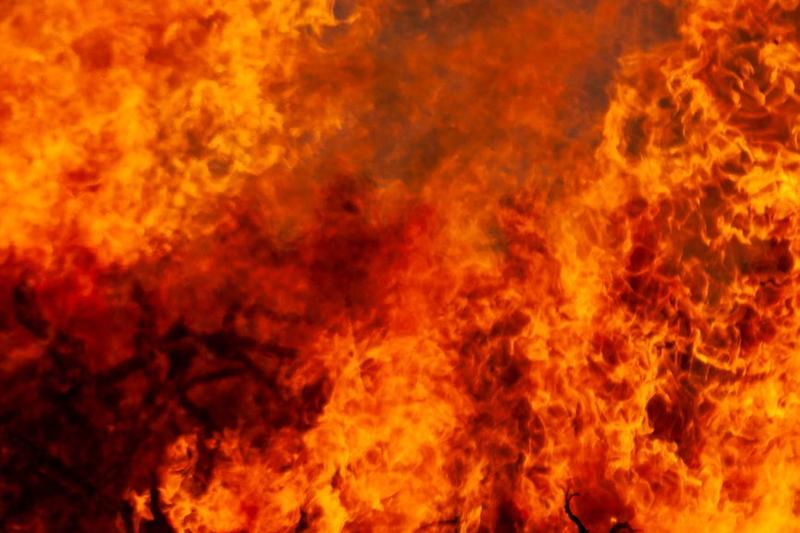
Singapore Pursues Legal Action Against Indonesian Companies Over Haze
Singapore is pursuing legal action against Indonesian companies for their alleged role in the 2026 Southeast Asian haze crisis, which has impacted air quality across the region since August 1, 2026. As of October 19, 2026, Singapore’s National Environment Agency (NEA) will issue notices to a total of ten Indonesian companies under its Transboundary Haze Pollution Act. This action follows a period of deteriorating air quality in Singapore, prompting a surge in demand for air purifiers and oxygen tanks among residents seeking relief from the polluted air.
The ongoing haze has led to significant public health concerns and economic disruption. Singapore’s Minister for Sustainability and the Environment, Grace Fu, has consistently emphasized the nation’s commitment to addressing transboundary pollution. The legal measures aim to hold accountable entities responsible for the fires that contribute to the haze, which often originate from agricultural and plantation activities in Indonesia.
Official Statements and Legal Responses to the Haze Crisis
Singaporean Prime Minister Lawrence Wong has reiterated the government’s firm stance on environmental protection and public health. “Singapore will not hesitate to use all available legal avenues to protect our citizens from the adverse effects of transboundary haze,” Prime Minister Wong stated in a recent address. The NEA’s issuance of notices is a direct application of the Transboundary Haze Pollution Act, which allows Singapore to prosecute individuals and companies, regardless of their nationality, if their actions cause or contribute to haze affecting Singapore.
Concurrently, in Indonesia, residents in West Kalimantan province have filed a class-action lawsuit against the Indonesian government, including President Prabowo Subianto, over the perceived inadequate handling of the wildfires. The next court hearing for this class-action lawsuit is scheduled for October 21, 2026. This legal challenge from within Indonesia highlights the widespread impact and dissatisfaction with the government’s response to the environmental disaster, as reported by the Independent.
Background of the Southeast Asian Haze and Regional Efforts
The Southeast Asian haze is a recurring environmental issue, primarily caused by illegal agricultural burning in Indonesia, particularly on the islands of Sumatra and Borneo. These fires, often set to clear land for palm oil and pulpwood plantations, release vast amounts of smoke and particulate matter into the atmosphere. Prevailing winds then carry this pollution across national borders, affecting neighboring countries like Singapore, Malaysia, and Brunei.
The 2026 haze crisis began on August 1, 2026, marking another severe episode in the region’s history of transboundary pollution. Past haze events, such as those in 1997, 2013, and 2015, have caused significant economic losses, health problems, and diplomatic tensions. Singapore enacted its Transboundary Haze Pollution Act in 2014, providing a legal framework to address the issue by allowing the prosecution of those responsible for haze-causing activities, even if they operate outside Singapore’s borders. This legislation has been a key tool in Singapore’s efforts to combat the recurring problem.
Regional efforts to mitigate the haze include the ASEAN Agreement on Transboundary Haze Pollution, signed in 2002. This agreement commits member states to cooperate in preventing and monitoring transboundary haze pollution. Despite these agreements, enforcement and effective prevention remain significant challenges. The current legal actions by Singapore and the internal lawsuit in Indonesia show the persistent difficulties in controlling the fires and their far-reaching consequences. The health impacts of haze exposure include respiratory illnesses, cardiovascular problems, and reduced visibility, affecting millions of people across Southeast Asia. The ongoing crisis highlights the urgent need for more robust regional cooperation and stricter enforcement of environmental regulations to prevent future occurrences.
Frequently asked questions
What is the 2026 Southeast Asian haze crisis?
The 2026 Southeast Asian haze crisis is an ongoing environmental event that began on August 1, 2026. It is caused by wildfires, primarily from illegal agricultural burning in Indonesia, which release smoke and particulate matter that drifts across national borders, affecting countries like Singapore and Malaysia.
Related: Air Force Service Member Dies After 170-Foot Fall at Alamodome During UTSA Game
Why is Singapore taking legal action against Indonesian companies?
Singapore is taking legal action under its Transboundary Haze Pollution Act because it alleges that certain Indonesian companies are contributing to the wildfires and subsequent haze that is affecting Singapore's air quality and public health. The National Environment Agency (NEA) will issue notices to ten Indonesian firms.
Who is Singapore's Minister for Sustainability and the Environment?
Grace Fu is currently Singapore's Minister for Sustainability and the Environment.
What is the Transboundary Haze Pollution Act?
The Transboundary Haze Pollution Act is a Singaporean law enacted in 2014. It allows Singapore to prosecute individuals and companies, regardless of their nationality, if their actions cause or contribute to haze affecting Singapore.
Are there any legal actions against the Indonesian government regarding the haze?
Yes, residents in Indonesia's West Kalimantan province have filed a class-action lawsuit against the Indonesian government, including President Prabowo Subianto, over the handling of the wildfires. The next court hearing for this lawsuit is scheduled for October 21, 2026.
Sponsored · Put your business in front of ByteSize Network's readers, with every click measured. See advertising packages · Advertise on ByteSize Network