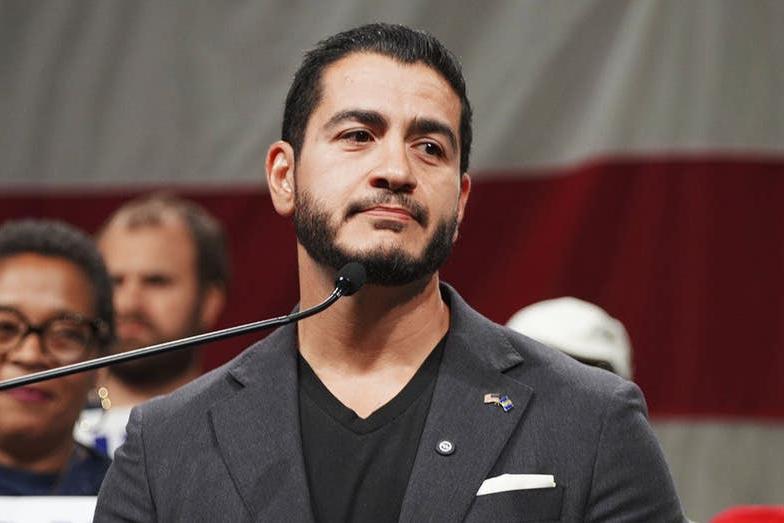
Michigan Democratic Senate candidate Abdul El-Sayed is preparing for a significant campaign event with former President Barack Obama. The appearance is scheduled for October 24, 2026, in Detroit. This high-profile event draws attention to El-Sayed’s political trajectory and his current bid for Michigan’s open U.S. Senate seat.
However, the campaign is also contending with renewed focus on a past legal matter involving El-Sayed’s sister-in-law, Mariam Jukaku. Jukaku was a plaintiff in lawsuits challenging her alleged placement on the federal Terrorist Screening Database. These legal proceedings concluded with dismissals in both 2017 and 2021.
The Context of the Lawsuits
Mariam Jukaku’s legal actions stemmed from her assertion of being wrongly included in the Terrorist Screening Database. This database, maintained by the FBI, contains information on individuals known or reasonably suspected to be involved in terrorist activities. Inclusion can lead to significant travel restrictions and increased scrutiny at borders and airports.
The lawsuits sought to challenge the legality and constitutionality of her alleged placement. Such cases often involve complex legal arguments regarding due process and the criteria for inclusion on such watchlists. The dismissals in 2017 and 2021 indicate the legal challenges did not proceed to a judgment in her favor.
Abdul El-Sayed’s Political Landscape
Abdul El-Sayed is a prominent figure in Michigan Democratic politics. His current Senate candidacy marks a significant step in his political career. He previously ran for Governor of Michigan in 2018, gaining national attention as a progressive voice. His campaign platform often emphasizes healthcare, environmental protection, and social justice issues.
The upcoming campaign event with former President Obama is a strategic move to bolster El-Sayed’s visibility and appeal. Endorsements and appearances by high-profile figures like Obama can significantly impact voter perception and campaign momentum. The event is expected to draw considerable media coverage and public interest in Detroit.
Implications for the Campaign
The re-emergence of details regarding Mariam Jukaku’s lawsuits introduces a layer of complexity for El-Sayed’s campaign. While the lawsuits were dismissed years ago and do not directly involve the candidate, political opponents may attempt to draw connections or raise questions. Campaigns often face scrutiny over the associations of candidates and their families.
The timing of this renewed attention, just days before a major campaign rally, could prompt questions from the media or the public. Campaigns typically aim to control the narrative leading up to such events, focusing on policy positions and positive messaging. Managing external narratives, especially those involving family members, becomes a critical task for campaign strategists.
The Terrorist Screening Database
The Terrorist Screening Database (TSDB) is a consolidated list of known or suspected terrorists. It is used by various government agencies, including the Transportation Security Administration (TSA) and Customs and Border Protection (CBP), to identify individuals who may pose a threat. Individuals on the TSDB can be subject to enhanced screening, denied boarding, or prevented from entering the United States.
Placement on the watchlist has been a subject of legal and civil liberties debates for years. Critics argue that the criteria for inclusion can be opaque and that individuals have limited recourse to challenge their status. Cases like Jukaku’s highlight the ongoing tension between national security concerns and individual rights. More information on the database’s function and controversies can be found through official government reports and civil liberties organizations. The FBI’s Terrorist Screening Center provides details on its operations.
Past Legal Challenges and Resolutions
Mariam Jukaku’s lawsuits were part of a broader trend of legal challenges against the federal government concerning watchlists. Many plaintiffs have argued that their inclusion was arbitrary or lacked sufficient due process. The dismissals of Jukaku’s cases in 2017 and 2021 indicate that the courts did not find sufficient grounds to proceed with her claims or that the issues were resolved outside of a full trial. The specific reasons for dismissal are often detailed in court records, which are publicly accessible. Fox News reported on the confirmation of these lawsuits.
These legal battles often highlight the difficulties individuals face when attempting to clear their names from such databases. The government typically cites national security interests in maintaining the confidentiality of watchlist criteria and processes.
Related: America’s Farms Sound Inflation Alarm, Rising Costs Threaten Food Supply
Abdul El-Sayed’s campaign continues. Barack Obama prepares for his Detroit appearance. The past legal challenges of a family member remain part of the public record.
The political landscape shifts.
Michigan.
Frequently asked questions
Who is Abdul El-Sayed?
Abdul El-Sayed is a Michigan Democrat currently running for a Senate seat. He previously ran for Governor of Michigan in 2018 and is known for his progressive political stances.
What is the connection between Abdul El-Sayed and Mariam Jukaku?
Mariam Jukaku is Abdul El-Sayed's sister-in-law. Her past legal challenges regarding alleged placement on the federal Terrorist Screening Database have drawn renewed attention to his campaign.
When were Mariam Jukaku's terror watchlist lawsuits dismissed?
The lawsuits involving Mariam Jukaku, which challenged her alleged placement on the federal Terrorist Screening Database, were dismissed in 2017 and again in 2021.
When is Barack Obama campaigning with Abdul El-Sayed?
Former President Barack Obama is scheduled to campaign with Abdul El-Sayed in Detroit on October 24, 2026, as part of El-Sayed's Senate campaign.
Sponsored · Put your business in front of ByteSize Network's readers, with every click measured. See advertising packages · Advertise on ByteSize Network