Hurricane Trudy Impacts Mexico’s Pacific Coast with Category 2 Force
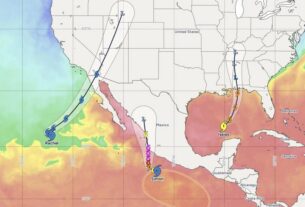
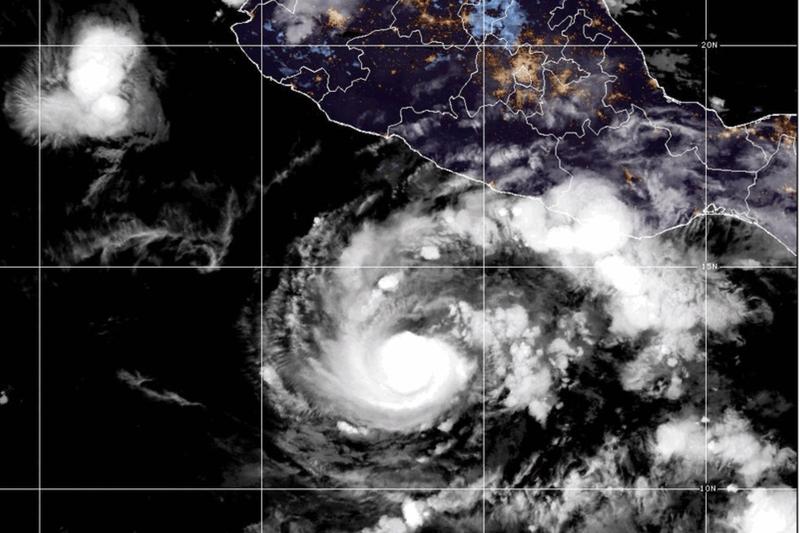
Hurricane Trudy is currently active as of Sunday, October 18, 2026, bringing heavy rain and strong winds to Mexico’s southwestern and west-central Pacific coast. The storm, classified as a Category 2 hurricane, maintains maximum sustained winds of 105 mph (165 kph). Its center is projected to remain near the Mexican coast through Sunday evening before tracking south of the Baja California Peninsula. A hurricane warning is in effect from Manzanillo in Colima state northward to Cabo Corrientes in Jalisco, as reported by The Independent.
Heavy rainfall from Trudy is expected to produce 4-8 inches (10-20 centimeters) of rain, with isolated totals potentially reaching 12 inches (30 centimeters) along and near the southwest Mexican coast in Michoacán, Colima, and Jalisco. This significant precipitation may lead to life-threatening flooding and mudslides, particularly in areas characterized by steep terrain. The Mexican Navy has issued advisories, urging mariners and coastal residents to exercise extreme caution due to anticipated high waves, heavy rains, and the risk of rising river levels, flooding, and landslides.
Official Warnings and Expected Trajectory
Officials have emphasized the potential for severe impact from Hurricane Trudy. The National Hurricane Center (NHC) has been closely monitoring the storm’s progression, providing regular updates to affected regions. Trudy is expected to weaken rapidly and transition into a post-tropical cyclone within 60 hours, with full dissipation anticipated within three to four days. This forecast offers a timeline for the storm’s immediate threat and subsequent decline, allowing for preparedness and recovery efforts.
The hurricane warning covers a critical stretch of coastline, highlighting the immediate danger to communities within this zone. Residents are advised to follow local emergency instructions and secure their properties. The emphasis on mudslides shows the particular vulnerability of mountainous coastal areas to heavy rainfall, a recurring concern during hurricane season in this region. For more information on hurricane preparedness, the National Hurricane Center provides comprehensive resources.
Related: Explosion at Canadian Forces Base Wainwright Kills Multiple, Injures Dozens
Historical Context of Pacific Hurricanes in Mexico
Mexico’s Pacific coast is frequently affected by tropical cyclones, with hurricane season typically running from May to November. These storms often bring significant rainfall, leading to flooding and landslides, which can have severe consequences for infrastructure and local populations. The region’s geography, characterized by mountainous terrain close to the coast, exacerbates the risk of mudslides when heavy rains occur.
Past hurricanes, such as Hurricane Patricia in 2015, have demonstrated the destructive potential of these weather events, though Patricia was an exceptionally powerful storm. The consistent threat necessitates robust emergency response systems and public awareness campaigns. Efforts to mitigate the impact of such events include early warning systems, evacuation protocols, and infrastructure improvements designed to withstand extreme weather. The ongoing monitoring of storms like Trudy is crucial for minimizing human and economic losses in these vulnerable coastal communities.
Sponsored · Want AI without handing over client files? Oriam AI installs private, on-premise AI for CPA firms, law firms, and insurance and title agencies. oriamai.online · Advertise on ByteSize Network