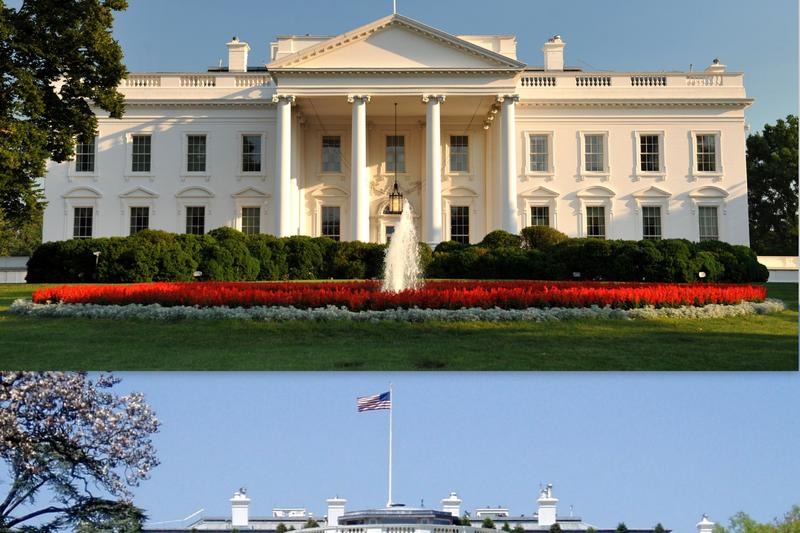
Trump Waives Russia Sanctions
President Donald Trump signed an executive order on Friday, October 16, 2026, waiving a comprehensive package of sanctions against Russia. This decision, made just two days before the sanctions were set to take effect, cited “national interests” as the primary justification.
The executive order specifically exempts Russia from new duties on its goods and penalties associated with purchasing its oil and gas. This action effectively overrides the Lindsey O. Graham Sanctioning Russia and Iran Act of 2026, legislation championed by the late Senator Lindsey Graham.
The Lindsey O. Graham Sanctioning Russia and Iran Act of 2026
The Lindsey O. Graham Sanctioning Russia and Iran Act of 2026 was signed into law by President Trump last month. It represented a significant legislative effort to impose economic pressure on Russia and Iran. The legislation was scheduled to become active on October 18, 2026.
Senator Lindsey Graham, a prominent figure in American politics, had been a vocal proponent of stringent sanctions against both nations. His death on July 11, 2026, preceded the implementation of the act he championed.
Justification for the Waiver
The White House statement accompanying the executive order emphasized “national interests” as the basis for the waiver. This broad justification allows the administration to bypass the newly enacted sanctions.
The decision follows an earlier announcement by President Trump regarding the United States’ intention to import diesel from Russia. This prior statement signaled a potential shift in U.S. policy toward Russian energy products.
Economic Implications of the Waiver
The waiver’s immediate effect is the removal of impending economic restrictions on Russia. These restrictions included new duties on Russian goods entering the U.S. market. They also encompassed penalties for entities involved in the purchase of Russian oil and gas.
The move could have significant implications for global energy markets and international trade relations. It reconfigures the economic landscape between the United States and Russia, particularly concerning energy commodities. More information on U.S. foreign policy can be found on the U.S. Department of State website.
Political Reactions and Precedent
The executive order has generated varied reactions across the political spectrum. Supporters of the waiver point to the administration’s prerogative to act in what it deems the best national interest. Critics argue that the waiver undermines congressional intent and weakens the U.S. stance against Russia.
President Trump’s use of executive orders to modify or circumvent legislation is a recurring theme of his presidency. He served as the 45th President from 2017 to 2021 and was sworn in as the 47th President on January 20, 2025. His approach often prioritizes direct executive action. Details on presidential executive orders are available through the Federal Register.
The Future of U.S.-Russia Relations
The waiver signals a potential recalibration of U.S.-Russia relations under the current administration. It suggests a preference for diplomatic or economic engagement over punitive measures, at least in certain sectors.
The long-term effects of this decision on international alliances and global stability remain to be seen. The move could influence future legislative efforts regarding sanctions policy and the balance of power between the executive and legislative branches.
Related: Timothy Busfield Child Sex Abuse Case Dismissed Over Prosecutorial Misconduct
A Shifting Landscape
Legislation passed. Sanctions prepared. Waivers issued.
Washington.
Sources
Frequently asked questions
What did President Trump do regarding Russia sanctions on October 16, 2026?
On October 16, 2026, President Donald Trump signed an executive order waiving a comprehensive package of sanctions against Russia. This action occurred just two days before the sanctions were scheduled to take effect.
What was the name of the sanctions legislation that was waived?
The sanctions legislation that was waived was known as the Lindsey O. Graham Sanctioning Russia and Iran Act of 2026. This act was championed by the late Senator Lindsey Graham, who died on July 11, 2026.
Why did President Trump waive the Russia sanctions?
President Trump waived the Russia sanctions citing "national interests" as the primary justification. This decision also followed an earlier announcement about the U.S. importing diesel from Russia.
What specific measures were included in the waived sanctions?
The waived sanctions included new duties on Russian goods and penalties for entities involved in buying Russian oil and gas. The executive order exempts Russia from these specific economic restrictions.
Sponsored · Buying, selling or investing in property? JL Group works with owners and investors in Springfield, Missouri and beyond. jlgroup.online · Advertise on ByteSize Network