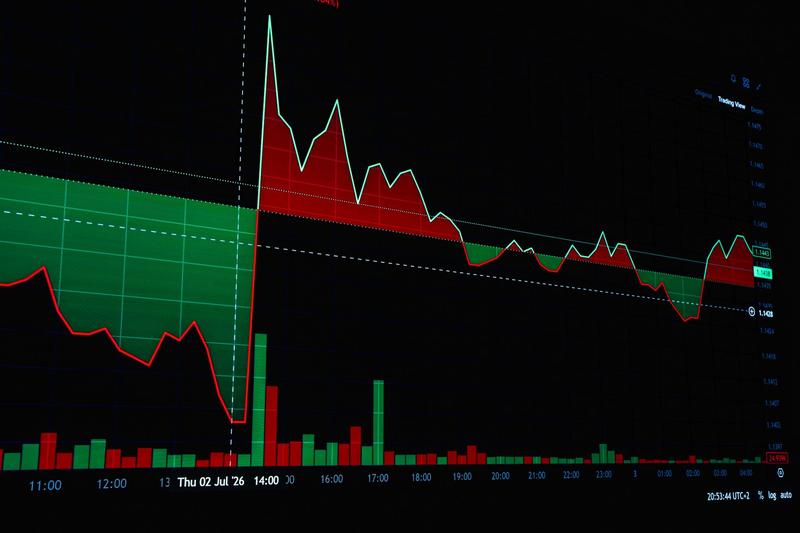
The Anatomy of the Current Tech Wreck
Market sentiment has shifted dramatically away from high-flying artificial intelligence names. Over recent trading sessions, leading semiconductor manufacturers, cloud infrastructure providers, and software developers have experienced steep declines. According to MarketWatch coverage, institutional portfolios are actively shedding risk-heavy positions as valuation concerns finally catch up with forward earnings multiples.
For months, the technology sector served as the primary engine of broader market gains. Every announcement regarding data center expansion, large language model compute power, and enterprise software deployment met with aggressive buying. That momentum has stalled. Rising treasury yields, coupled with questions surrounding the near-term monetization of artificial intelligence capital expenditures, have created an environment where profit-taking rapidly turns into panic selling.
Where Capital Is Rotating Now
As capital flees the technology sector, it is not disappearing from the markets entirely. Portfolio managers are aggressively rotating funds into safer, yield-generating asset classes. Government bonds have seen a significant surge in demand as investors lock in fixed income ahead of anticipated macroeconomic shifts. Financial analysts tracking these movements note parallels to historical rotation cycles documented by financial institutions like Reuters.
Defensive sectors are also capturing the influx of cash. Consumer staples, healthcare equities, and utilities are outperforming the broader market indexes. These industries offer steady cash flows, reliable dividend yields, and lower sensitivity to economic downturns. While these sectors lack the explosive upside potential that artificial intelligence once promised, they provide critical downside protection during severe sector contractions.
Implications for Institutional and Retail Portfolios
The swiftness of the tech wreck has exposed vulnerabilities in portfolios heavily concentrated in a handful of mega-cap growth stocks. Diversification strategies are returning to the forefront of portfolio management. Risk models that previously overlooked concentration risk in artificial intelligence are now being overhauled by risk committees worldwide.
Retail investors who entered the market during the height of the generative artificial intelligence boom are facing their first major cyclical test. Market strategists emphasize that sector rotations are a normal part of market maturation, separating speculative hype from sustainable business fundamentals.
- High-multiple technology equities experience accelerated capital outflows.
- Fixed-income securities and government bonds absorb fleeing risk capital.
- Defensive sectors such as healthcare and utilities outperform growth indexes.
- Portfolio managers prioritize balance sheet strength and earnings visibility over speculative growth.
What Comes After the Sell-Off?
Markets rarely return to previous paradigms without a period of consolidation. The current tech wreck serves as a recalibration point for equity valuations. Companies with genuine enterprise utility and positive free cash flow will eventually find floors, while speculative ventures lacking clear revenue paths face prolonged pressure.
Related: Erewhon Adopts Regenerative Frying Oil Across All 15 Locations
Investors are advised to monitor macroeconomic indicators, inflation data, and upcoming corporate earnings reports. The transition from growth-at-all-costs to disciplined capital allocation marks a defining chapter in current market history.
Sources
Frequently asked questions
Why are investors selling artificial intelligence stocks?
Investors are dumping AI stocks due to rising valuation concerns, questions surrounding the timeline of monetization for capital expenditures, and broader macroeconomic shifts including rising yields.
Where is capital moving during the tech sell-off?
Capital is rotating into safer asset classes, primarily government bonds and defensive sectors such as healthcare, consumer staples, and utilities that offer reliable cash flows and dividends.
Is the tech sector crash permanent?
Market corrections and sector rotations are cyclical events. While speculative assets face prolonged pressure, companies with solid fundamentals and real revenue generation eventually stabilize.
Sponsored · Want AI without handing over client files? Oriam AI installs private, on-premise AI for CPA firms, law firms, and insurance and title agencies. oriamai.online · Advertise on ByteSize Network