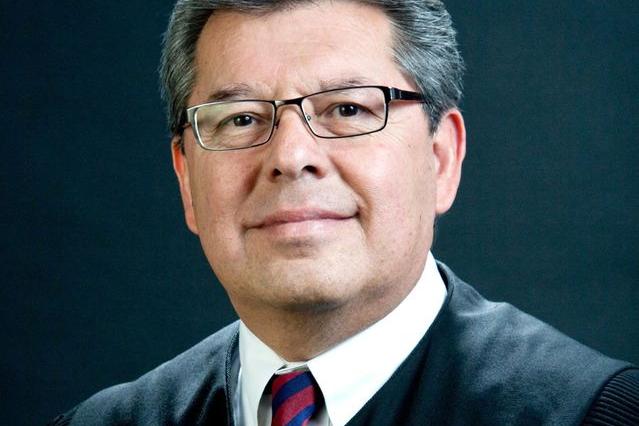
U.S. District Judge Edward J. Davila partially granted Apple’s request for expedited discovery on October 13, 2026, ordering OpenAI to turn over key recruitment and interview materials in an ongoing legal battle over trade secrets. According to TechCrunch reporting, the court intervention marks a significant escalation in the corporate dispute between the artificial intelligence lab and the consumer hardware giant.
The ruling focuses heavily on former Apple employees who transitioned to OpenAI’s Consumer Hardware Products Group. OpenAI must now surrender specific interview notes, recruitment guidance documents, and already-collected forensic device images. The scope of the order also includes targeted messaging app conversations that occurred during the recruitment windows.
Early Depositions and Key Personnel
Three specific former Apple engineers caught in the middle of the corporate migration were ordered to sit for early depositions. Chang Liu, Tang Yew Tan, and Yu-Ting “Alyssa” Peng must now prepare for formal questioning regarding their transitions. Court filings indicate that these depositions will help establish whether proprietary hardware workflows crossed company lines during the hiring surge.
While Apple pushed for wide-ranging access to all internal research repositories, the court drew clear procedural boundaries. Judge Davila chose to deny or defer broader expedited requests concerning deep hardware research into proprietary metal finishes, advanced power management protocols, and custom battery functionality.
The Broader Legal and Technical Context
As large language model laboratories aggressively recruit hardware talent to power proprietary edge computing devices and specialized silicon, legal friction over non-compete agreements and trade secrets has intensified. Legal experts following the docket note that discovery battles over internal communications often set critical precedents for how AI firms onboard hardware talent.
Industry analysts frequently compare such high-stakes legal clashes to historical intellectual property disputes between semiconductor and mobile device makers. For background on how federal courts handle industrial espionage and trade secret misappropriation under the Defend Trade Secrets Act, consult the Federal Bureau of Investigation economic espionage guidelines.
Compliance protocols, strict data retention policies, and forensic device imaging now stand at the center of the discovery process. OpenAI’s legal team faces tight windows ranging from five to fourteen days to fulfill the mandated production of digital artifacts and messaging histories.
Related: Helix Carbon Upcycles Blast Furnace Pollution to Make Iron Cheaper
Frequently asked questions
What did the judge order OpenAI to do in the Apple trade secrets case?
U.S. District Judge Edward J. Davila ordered OpenAI to turn over interview materials, recruitment guidance documents, forensic device images, and specific messaging app conversations related to former Apple employees.
Which former Apple employees are involved in the expedited depositions?
The court ordered three former Apple employees—Chang Liu, Tang Yew Tan, and Yu-Ting Alyssa Peng—to sit for early depositions as part of the discovery process.
Did the judge grant all of Apple's requests for expedited discovery?
No. The judge partially granted the request but denied or deferred broader demands regarding OpenAI's underlying hardware research into metal finishes, power management, and battery functionality.
Sponsored · Want AI without handing over client files? Oriam AI installs private, on-premise AI for CPA firms, law firms, and insurance and title agencies. oriamai.online · Advertise on ByteSize Network