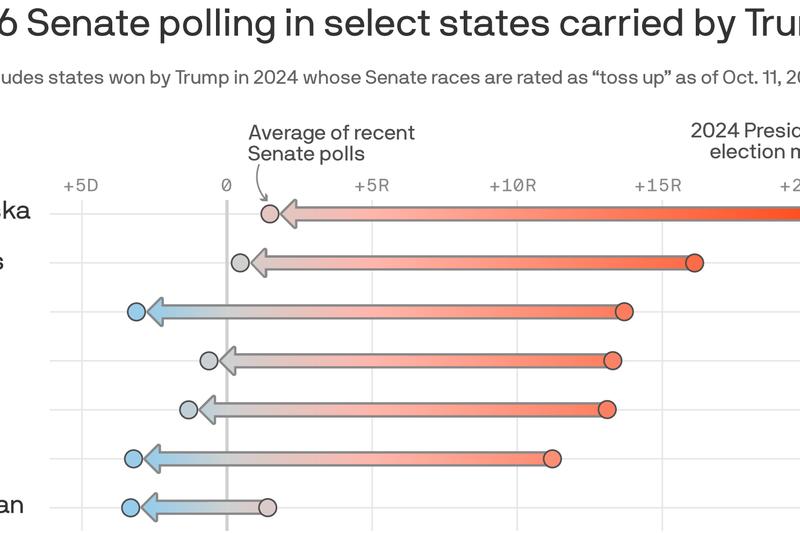
Democrats Target Red States for 2028 Presidential Election
The Democratic Party is exploring an expanded electoral map for the 2028 presidential election. This strategy involves increased focus and investment in states that have historically voted Republican. The aim is to capitalize on demographic changes and local political dynamics to create new pathways to victory.
This shift comes as the 2026 midterm elections approach, with less than a month until November 3, 2026. Early indicators suggest a competitive political environment, particularly in the Senate, where control remains contested. The House of Representatives is also a key battleground, with forecasters currently favoring a Republican majority after the midterms.
The Rationale Behind the Red-State Strategy
Democrats are observing evolving voter demographics in several traditionally conservative states. Urbanization, an influx of new residents, and changing generational voting patterns contribute to this re-evaluation. These factors suggest that some red states may no longer be as monolithic as they once were.
The party’s approach involves sustained grassroots organizing and investment in local and state-level races. This long-term strategy aims to build a foundation of support that can eventually translate into presidential election victories. It represents a departure from solely concentrating resources on a narrow band of swing states.
Key States Under Consideration
While specific targets remain fluid, states in the Sun Belt and Mountain West regions are frequently mentioned. These areas have experienced significant population growth and demographic diversification over the past decade. The Democratic Party believes these shifts present opportunities for competitive contests in 2028.
The strategy also acknowledges the importance of local issues and candidate appeal. Successful campaigns in these states will likely require candidates who can connect with a broad range of voters on economic, social, and cultural matters. This necessitates a nuanced understanding of regional concerns.
Potential Democratic Contenders for 2028
Several figures are emerging as potential candidates for the 2028 Democratic presidential nomination. Senator Mark Kelly of Arizona is among those frequently discussed. His electoral success in a state with a complex political landscape positions him as a viable contender.
Governor Josh Shapiro of Pennsylvania is another name gaining traction. His gubernatorial victory in a crucial swing state demonstrated an ability to appeal to diverse voter coalitions. These potential candidates embody the type of broad appeal Democrats hope to leverage in an expanded electoral map. The 2028 presidential election is scheduled for November 7, 2028, and will feature no incumbent, as President Donald Trump is constitutionally barred from seeking a third term. More information on the US electoral process can be found on the USA.gov elections page.
Republican Response and Counter-Strategy
Republicans currently hold a slim majority in the House, with 218 members to Democrats’ 214, and also control the Senate with 53 Republicans and 47 Democrats (including two independents) as of October 12, 2026. The Republican Party is expected to defend its strongholds vigorously. They will likely emphasize traditional conservative values and economic policies to counter Democratic inroads.
The GOP’s strategy will involve mobilizing its base and highlighting perceived weaknesses in Democratic platforms. The battle for these red states will likely be characterized by intense campaigning and significant financial investment from both parties. The Republican National Committee is expected to play a central role in coordinating these efforts.
Related: GKN Aerospace Chemical Leak: $125 Million Settlement Reached in Garden Grove
The Impact of 2026 Midterm Elections
The outcome of the upcoming 2026 midterm elections will significantly influence the 2028 presidential race. A strong Democratic showing could embolden the party’s red-state strategy and provide momentum. Conversely, Republican gains might reinforce their dominance in these areas.
All 435 seats in the U.S. House of Representatives and 35 U.S. Senate seats are up for election in 2026. The results will shape the political narrative and resource allocation for the next presidential cycle. The midterms serve as a critical proving ground for both parties’ strategies.
Long-Term Electoral Implications
The Democratic push into red states reflects a broader recognition of demographic shifts across the country. This strategy is not merely about winning a single election but about reshaping the long-term electoral landscape. It aims to create a more competitive political environment in areas once considered safe.
The success of this approach will depend on sustained effort, effective messaging, and the ability to connect with voters on issues that resonate locally. The 2028 election could mark a significant realignment of American political geography.
Strategists gathered. Candidates gathered. Voters gathered. A nation watches.
Sources
Sponsored · Put your business in front of ByteSize Network's readers, with every click measured. See advertising packages · Advertise on ByteSize Network