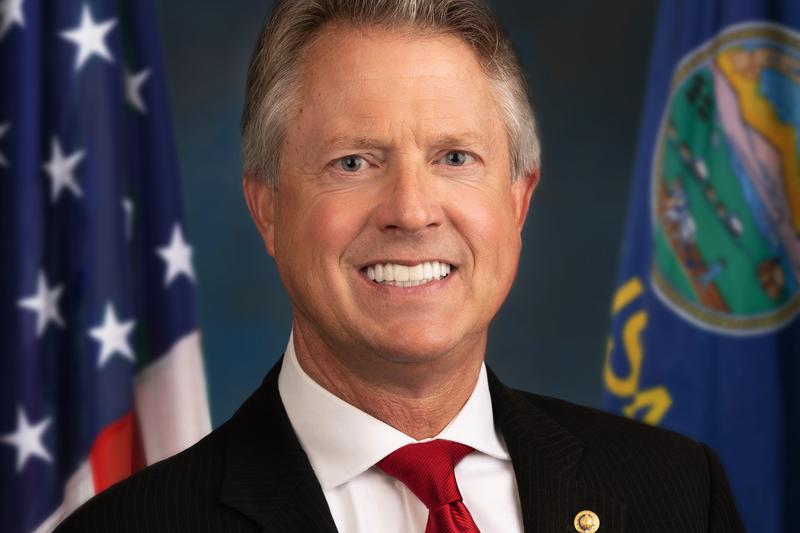
U.S. Senator Roger Marshall, a Republican representing Kansas, paid $1,300 to a Kansas bakery following a public accusation regarding an unpaid bill. The bakery owner claimed Marshall’s campaign had neglected to pay a nearly $700 debt for six years. This payment occurred amidst Marshall’s campaign for the U.S. Senate.
The incident highlights the scrutiny faced by public figures, particularly during election cycles. Marshall has served as a U.S. Senator since January 3, 2021, and was previously a U.S. Representative for Kansas’s 1st congressional district from 2017 to 2021. His current term is set to conclude on January 3, 2027, and he is running for re-election in November 2026.
The Accusation and Public Response
The controversy began when the owner of the Kansas bakery publicly detailed the alleged unpaid debt. This public statement quickly gained traction, drawing attention to the long-standing financial obligation. The original bill, reportedly around $700, had remained outstanding for approximately six years.
Public accusations against political campaigns can significantly impact a candidate’s image. Social media and local news outlets often amplify such claims, leading to rapid public awareness. In this instance, the public nature of the accusation appears to have prompted the swift resolution of the debt.
Senator Marshall’s Political Career and Re-election Bid
Roger Marshall’s political career includes both legislative and executive roles. He first entered the U.S. House of Representatives in 2017. In 2020, he successfully ran for the U.S. Senate, taking office in January 2021. His current term is scheduled to end in early 2027, and he is running for re-election in November 2026.
Marshall is actively seeking re-election to the U.S. Senate. He secured the Republican primary nomination on August 4, 2026, and is now campaigning for the general election on November 3, 2026. Campaigns often face heightened scrutiny over financial matters and public conduct during these periods.
Financial Accountability in Political Campaigns
Political campaigns operate with budgets funded by donations and often incur expenses for various services, including catering and event supplies. Ensuring timely payment for these services is crucial for maintaining public trust and ethical standards. Unpaid debts, particularly those that linger for years, can lead to negative perceptions of a campaign’s financial management.
The payment of $1,300, which was significantly more than the original alleged debt of nearly $700, suggests potential interest or penalties accrued over the six-year period. This also indicates an effort to fully resolve the issue once it became public. Details of Senator Marshall’s political history and current campaign can be found on his official Senate website or through non-partisan political information sites like Ballotpedia.
Related: Kimberly Guilfoyle Under Scrutiny as U.S. Ambassador to Greece
Impact on Public Perception and Future Campaigns
Incidents involving unpaid bills can affect a politician’s public image, even if the amounts are relatively small. Voters often consider a candidate’s personal and campaign financial responsibility as an indicator of their broader trustworthiness and ability to manage public funds. The resolution of this debt, though prompted by public pressure, may help mitigate some of the negative fallout.
For future campaigns, this event serves as a reminder of the importance of meticulous financial record-keeping and prompt payment of all obligations. The digital age ensures that such details can quickly become public knowledge, influencing voter sentiment. Campaigns must navigate these challenges carefully to maintain a positive public perception.
The bakery owner spoke. The public listened. The campaign responded.
Payment.
Sources
Sponsored · Put your business in front of ByteSize Network's readers, with every click measured. See advertising packages · Advertise on ByteSize Network