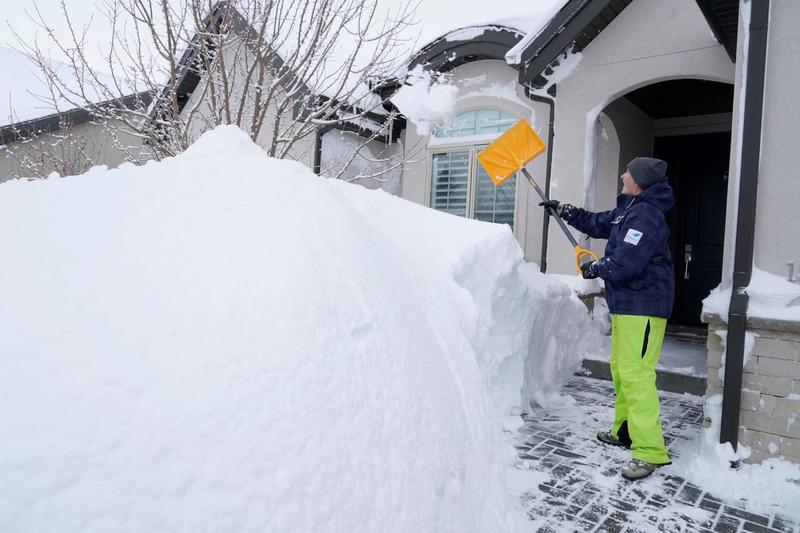
American households face significant increases in heating costs as winter approaches. The average U.S. household is projected to see an 8.3% rise in their heating bills this winter compared to the previous year. This financial strain impacts millions of families across the country.
For households dependent on heating oil, the situation is particularly challenging. These consumers may experience a dramatic 50% increase in their costs this winter. This projection comes from organizations monitoring energy trends and consumer impact.
The Rising Cost of Home Heating
The National Energy Assistance Directors Association (NEADA) has specifically highlighted the expected surge in heating oil expenses. Mark Wolfe, the executive director of NEADA, confirmed that heating oil costs are anticipated to increase by 50% year over year. This substantial jump places a heavy burden on affected households.
The overall trend of rising energy costs extends beyond heating oil. Utilities across the United States have collectively requested $23 billion in rate increases. These requests span through September 2026, indicating a sustained period of higher energy prices for consumers. The cumulative effect of these increases contributes to widespread financial pressure.
Impact on States and Local Initiatives
State governments are observing these trends and their impact on residents. In Massachusetts, Governor Maura Healey and Lieutenant Governor Kim Driscoll are aware of the challenges posed by escalating energy prices. Their administrations, like others nationwide, are navigating the economic realities affecting their constituents.
Organizations are also working to mitigate the impact of these rising costs. Citizens Energy, an organization focused on providing affordable energy, plays a role in this effort. Joe Kennedy III serves as the President of Citizens Energy, leading initiatives to assist vulnerable populations with their energy needs. Citizens Energy works to make energy more accessible.
Understanding the Broader Economic Picture
The increase in energy bills is not an isolated event. It reflects broader economic pressures, including inflation and supply chain dynamics. These factors contribute to the ‘everything just keeps going up’ sentiment expressed by many consumers. The cost of living continues to be a primary concern for families.
These rising costs affect household budgets, forcing many to make difficult choices. Discretionary spending often decreases as essential expenses, like heating, consume a larger portion of income. This creates a ripple effect throughout local economies.
Preparing for Winter’s Financial Demands
Consumers are encouraged to explore options for managing higher energy bills. This includes investigating energy efficiency improvements for their homes, such as better insulation or updated heating systems. State and federal programs may also offer assistance to eligible households.
The financial outlook for the upcoming winter requires careful planning for many families. The anticipated increases are substantial, particularly for those with limited financial flexibility. The National Energy Assistance Directors Association provides resources and information on energy assistance programs.
Families gathered. Communities gathered. Policymakers gathered.
Related: Starlink Mobile’s Aggressive Entry Pressures AT&T, Verizon Shares
Winter.
Sources
Frequently asked questions
How much are US heating costs expected to rise this winter?
Average heating costs for U.S. households are expected to rise by 8.3% this winter compared to last winter. This increase impacts millions of families across the country.
What is the projected increase for heating oil users?
Households using heating oil may see their costs rise by a dramatic 50% this winter. The National Energy Assistance Directors Association (NEADA) confirms this significant year-over-year increase.
Who is Mark Wolfe?
Mark Wolfe is the executive director of the National Energy Assistance Directors Association (NEADA). He provides insights into energy cost trends and their impact on consumers.
How much have utilities requested in rate increases?
Utilities across the country have requested a total of $23 billion in rate increases through September 2026. These requests contribute to the overall rising cost of energy for consumers.
Who is the President of Citizens Energy?
Joe Kennedy III is the President of Citizens Energy, an organization dedicated to making energy more affordable and accessible for vulnerable populations.
Sponsored · Buying, selling or investing in property? JL Group works with owners and investors in Springfield, Missouri and beyond. jlgroup.online · Advertise on ByteSize Network