Presented by Oriam AI. Our newsroom reported this story independently; Oriam AI sponsors its publication.
The Executive Disconnect in AI Adoption
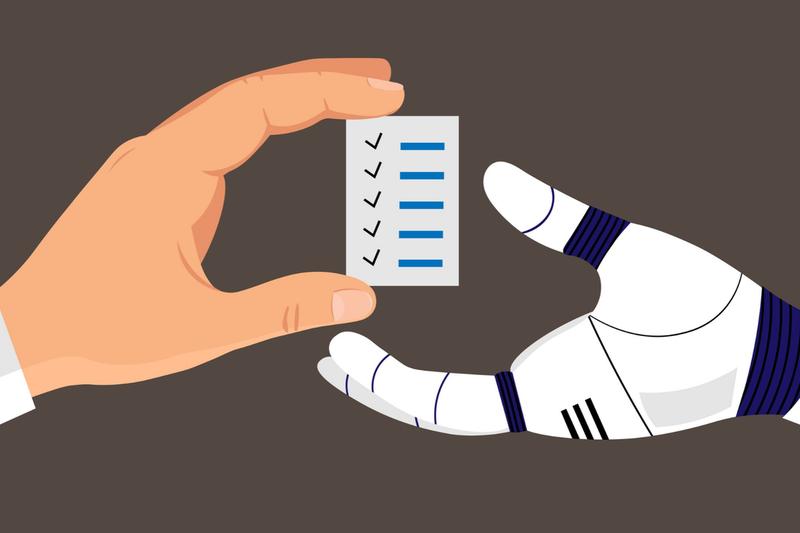
Many chief executive officers (CEOs) are entrusting the integration of artificial intelligence (AI) into their companies to subordinates. This delegation often occurs before these leaders have developed a foundational understanding of AI’s capabilities, limitations, and ethical implications. The practice creates a critical gap between strategic oversight and technological execution.
This trend is not isolated. It reflects a broader challenge within corporate leadership to keep pace with rapid technological advancements. The implications extend beyond technical implementation, affecting corporate strategy, risk management, and employee welfare.
Delegation Without Deep Understanding
The delegation of AI initiatives without prior executive comprehension can lead to several pitfalls. Decisions made at the top may lack the nuanced insight required for effective AI deployment. This can result in significant investments in technologies that do not align with long-term business objectives or that introduce unforeseen operational complexities.
For instance, the selection of AI vendors or the definition of project scopes might be suboptimal. Without a clear understanding of AI’s underlying principles, executives may struggle to evaluate proposals or challenge assumptions presented by their technical teams. This can lead to a reliance on external consultants or internal specialists without adequate internal checks and balances.
Operational and Ethical Blind Spots
A lack of executive understanding can create significant operational and ethical blind spots. AI systems, particularly large language models and advanced machine learning, carry inherent biases and require careful governance. If leadership is not conversant with these issues, the organization may inadvertently deploy AI solutions that perpetuate discrimination, compromise data privacy, or operate without sufficient transparency.
The post-mortem reports from recent incidents highlight the complexities of modern software systems. For example, the Jaeger OOM loop incident on September 30, 2026, demonstrated how technical failures can cascade, impacting multiple services and generating massive error logs. Such incidents underscore the need for leadership to grasp the intricate dependencies within technological ecosystems, even if they are not directly coding the solutions.
The Cost of Uninformed Decisions
Uninformed AI decisions can incur substantial financial and reputational costs. Companies might invest heavily in AI projects that fail to deliver expected returns or, worse, generate negative outcomes. The financial impact can be significant, diverting resources from more productive ventures.
Reputational damage can also arise from AI systems that malfunction or behave unethically. Public trust can erode quickly if an organization is perceived as irresponsible in its use of advanced technology. This risk is amplified when top leadership cannot articulate the safeguards and ethical considerations embedded in their AI strategies.
Leaders Engaging with AI
Some prominent technology leaders actively engage with AI at a deep level. Satya Nadella, Chairman and CEO of Microsoft, has consistently emphasized the ethical development and responsible deployment of AI. Sundar Pichai, CEO of Google and Alphabet, also frequently discusses the societal impact and future direction of AI technologies.
Elon Musk, CEO of Tesla and SpaceX, is directly involved in AI development, including his role as co-lead of Project Meridian, a Pentagon initiative focused on future military technology. Sam Altman, CEO of OpenAI, is at the forefront of generative AI research and its commercial applications. These leaders demonstrate a hands-on approach to understanding and shaping AI’s trajectory.
Addressing the Knowledge Gap
To mitigate the risks associated with uninformed delegation, CEOs must prioritize their own education in AI. This does not require becoming expert programmers but rather developing a strategic literacy in AI concepts, applications, and governance. Executive education programs, expert consultations, and dedicated internal briefings can help bridge this knowledge gap.
The goal is to enable leaders to ask the right questions, critically evaluate proposals, and establish robust ethical frameworks for AI deployment. This proactive engagement ensures that AI serves as a strategic asset rather than an unmanaged liability. The recent newsroom weave Phase 3 fix, which addressed independent publisher ordering and budget allocation, illustrates the complexity of managing interconnected systems and the need for informed oversight.
The Future of AI Leadership
The future success of AI integration within enterprises hinges on informed leadership. CEOs who understand AI’s potential and its pitfalls are better positioned to guide their organizations through this transformative period. They can foster cultures of responsible innovation and ensure that AI initiatives align with broader corporate values and societal expectations.
Related: Amazon’s Detailed Customer Profiles: How to Access Your Data and Understand Privacy Concerns
The alternative is a landscape where AI adoption is driven by momentum rather than strategic insight. This path carries inherent dangers, potentially leading to technological missteps and a loss of competitive advantage. The ongoing evolution of AI demands a corresponding evolution in executive leadership.
Executives must engage. They must learn. They must lead.
The future of business depends on it.
Sources
Frequently asked questions
Why are CEOs delegating AI without understanding it?
Many CEOs delegate AI implementation due to the rapid pace of technological change, the perceived complexity of AI, and a focus on high-level strategic concerns. This often leads to a reliance on technical teams without sufficient executive oversight or comprehension of the technology's nuances and risks.
What are the risks of uninformed AI delegation?
The risks include misaligned strategic investments, operational vulnerabilities, ethical blind spots (such as bias or privacy issues), and potential financial and reputational damage. Without executive understanding, organizations may deploy AI solutions that do not align with business goals or societal expectations.
Which prominent tech CEOs are actively involved in AI?
Prominent tech CEOs actively involved in AI include Satya Nadella of Microsoft, Sundar Pichai of Google and Alphabet, Elon Musk of Tesla, SpaceX, and Project Meridian, and Sam Altman of OpenAI. These leaders demonstrate a hands-on approach to understanding and shaping AI's development and deployment.
How can CEOs bridge the AI knowledge gap?
CEOs can bridge the AI knowledge gap through executive education programs, expert consultations, and dedicated internal briefings. The goal is to develop strategic literacy in AI concepts, applications, and governance, enabling them to ask informed questions and establish robust ethical frameworks.
Sponsored · Want AI without handing over client files? Oriam AI installs private, on-premise AI for CPA firms, law firms, and insurance and title agencies. oriamai.online · Advertise on ByteSize Network