When AI Leads: The Evolving Role of Human Leadership in an Automated Era

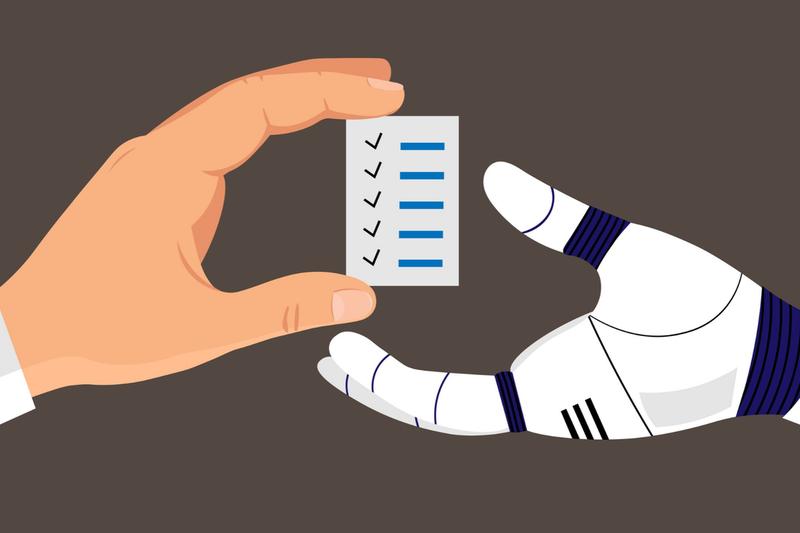
The integration of artificial intelligence into corporate structures is fundamentally altering traditional leadership paradigms. As AI systems assume more operational and analytical functions, the core responsibilities of human leaders are shifting. This evolution demands a re-evaluation of what leadership entails when machines contribute significantly to decision-making processes.

Continue Reading

AI Adoption Risks: CEOs Delegate Without Full Comprehension

A significant number of chief executive officers are delegating the implementation and strategic direction of artificial intelligence within their organizations without first achieving a comprehensive understanding of the technology themselves. This approach introduces a range of potential risks, from misaligned strategies to unforeseen operational vulnerabilities. The rapid pace of AI development often outstrips executive education on the subject, leading to a disconnect between high-level vision and practical application.

Continue Reading

From Texas Trucker to United CEO: Scott Kirby’s Foundational Lessons

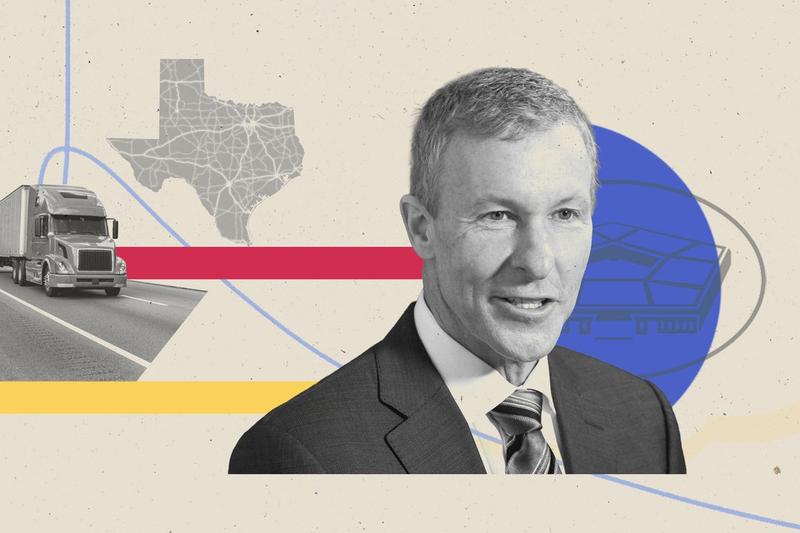
Scott Kirby, the current Chief Executive Officer of United Airlines, attributes foundational lessons in leadership and operational efficiency to an unexpected early career: working as a trucker in North Texas. This experience, predating his 15th birthday, provided a unique perspective on the complexities of logistics and the value of hands-on work. It stands in contrast to the typical executive trajectory, highlighting a blend of blue-collar roots with high-level corporate strategy.

Continue Reading

CMO Tenure: Why Marketing Chiefs Face Short Stays and High Pressure

The role of Chief Marketing Officer (CMO) is often characterized by high expectations and a notoriously short tenure. Industry experts and recent analyses consistently point to CMOs having one of the shortest average stays in the C-suite. This rapid turnover reflects the intense pressure to deliver measurable results, adapt to evolving market landscapes, and navigate complex organizational structures. Understanding the underlying factors contributing to this phenomenon is crucial for both aspiring and current marketing leaders.

Continue Reading