The debate over daylight saving time continues in the United States Congress. A bill to make daylight saving time permanent passed the House of Representatives in July 2026. This legislation, known as the Sunshine Protection Act, aims to eliminate the biannual clock changes.
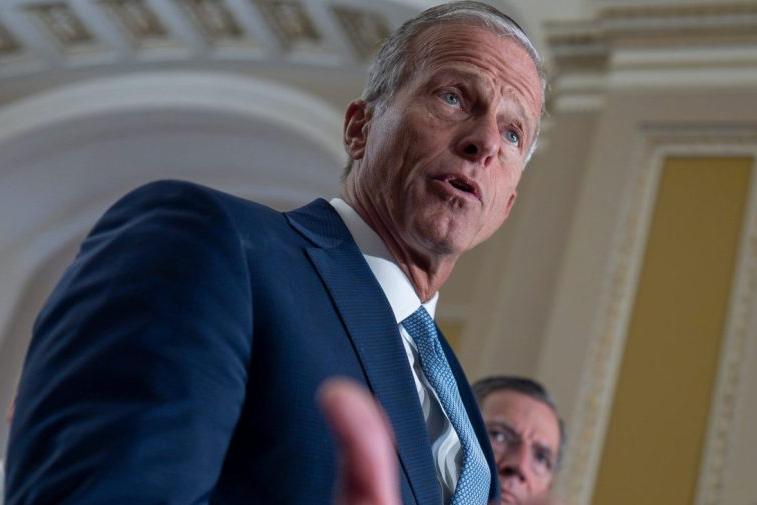
However, the bill’s journey through the Senate has stalled. Senate Majority Leader John Thune has indicated a lack of consensus. This suggests the current system will likely persist.
The Sunshine Protection Act in the House
The U.S. House of Representatives approved the Sunshine Protection Act on July 14, 2026. The vote marked a significant step for proponents of permanent daylight saving time. Supporters argue that the change would boost the economy and improve public health outcomes.
The bill’s passage in the House reflected a bipartisan desire to end the practice of ‘springing forward’ and ‘falling back.’ Many representatives cited constituent feedback as a driving force behind their votes. The legislation aimed to provide a consistent schedule for businesses and individuals across most of the country.
Senate Standoff and Thune’s Assessment
Upon reaching the Senate, the Sunshine Protection Act encountered resistance. Senate Minority Leader John Thune, a prominent figure in the legislative process, has publicly acknowledged the challenges. He stated there is ‘no clear path forward’ for the bill.
Thune’s assessment highlights the divisions within the Senate. Some senators express concerns about the impact of permanent daylight saving time on certain regions. Issues such as early morning darkness in winter months have been raised. These concerns contribute to the legislative gridlock.
“There is no clear path forward on permanent daylight saving time legislation,” Senate Minority Leader John Thune stated, reflecting the ongoing debate in the upper chamber. (Source: The Hill)
The Senate’s current schedule does not prioritize the Sunshine Protection Act. This suggests that other legislative items are taking precedence. The lack of a clear path means the bill may not come to a vote in the near future.
Historical Context of Daylight Saving Time
Daylight saving time was first widely implemented in the United States during World War I. The Standard Time Act of 1918 introduced the practice. It was intended to conserve resources for the war effort.
The Uniform Time Act of 1966 established the current system. This act standardized the start and end dates for daylight saving time across the country. States retain the option to exempt themselves and remain on standard time year-round.
Arizona and Hawaii currently observe standard time year-round. Other U.S. territories, including Puerto Rico and the U.S. Virgin Islands, also do not observe daylight saving time. These exceptions highlight the historical flexibility in time observance.
Impact of Continued Clock Changes
The current U.S. daylight saving time schedule remains in effect. Clocks will move back one hour on November 1, 2026, marking the end of daylight saving time for the year. This annual adjustment affects millions of Americans.
The biannual time change has been linked to various societal impacts. Studies have explored effects on sleep patterns, traffic accidents, and energy consumption. Proponents of permanent daylight saving time often cite these potential negative effects as reasons for reform.
The debate over daylight saving time extends beyond legislative chambers. Public opinion remains divided on the issue. Many individuals express frustration with the disruption caused by clock changes. Others prefer the extra hour of daylight in the evenings during warmer months.
Related: Gun Safety Groups Inject $10 Million into 2026 Midterms for Democrats
The federal government currently allows states to opt out of daylight saving time. However, states are not permitted to observe daylight saving time permanently without federal approval. This federal oversight maintains a degree of uniformity across time zones. (Source: U.S. Department of Transportation)
The Road Ahead for Time Legislation
The future of daylight saving time legislation remains uncertain. The Sunshine Protection Act’s stalled progress in the Senate indicates a complex legislative environment. Bipartisan support in one chamber does not guarantee passage in the other.
Lawmakers will continue to weigh the economic, social, and health implications of time changes. Public sentiment and scientific research will likely influence future legislative efforts. For now, the familiar rhythm of adjusting clocks will persist.
The House passed the bill. The Senate deliberated. The Majority Leader spoke. Uncertainty.
Frequently asked questions
What is the status of the Sunshine Protection Act?
The Sunshine Protection Act, which would make daylight saving time permanent, passed the U.S. House of Representatives on July 14, 2026. However, Senate Minority Leader John Thune has stated there is "no clear path forward" for the bill in the Senate, indicating it is currently stalled.
When does daylight saving time end in 2026?
Daylight saving time is scheduled to end on November 1, 2026, for most of the United States. Clocks will move back one hour at that time, returning to standard time.
Can states choose to have permanent daylight saving time?
No, states currently have the option to remain on Standard Time year-round, but they cannot remain on Daylight Saving Time year-round without federal approval. The Sunshine Protection Act aimed to provide this federal approval for permanent daylight saving time.
Who is John Thune?
John Thune is currently the Senate Majority Leader, a position he has held since 2025. He is a key figure in the U.S. Senate and his assessment of legislative paths carries significant weight.
Sponsored · Put your business in front of ByteSize Network's readers, with every click measured. See advertising packages · Advertise on ByteSize Network