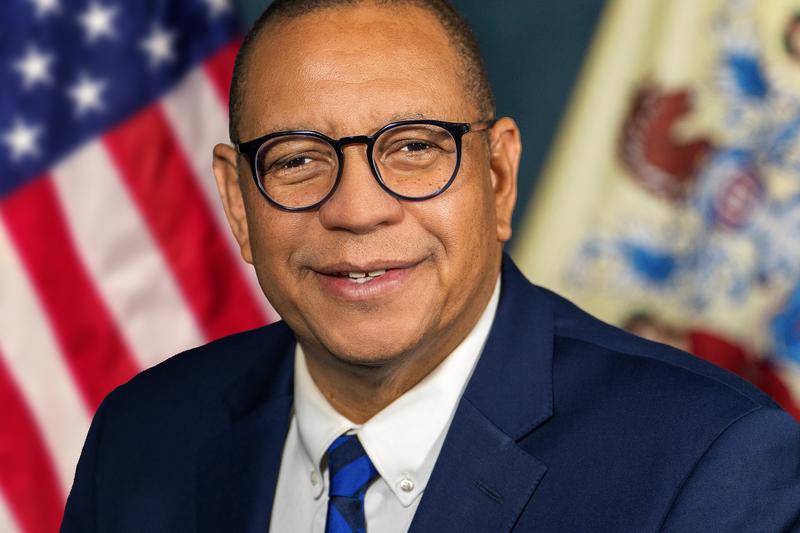
- Dale Caldwell resigned as New Jersey’s Lieutenant Governor on September 25, 2026.
- An independent investigation found Caldwell committed serious policy violations, including substantiated sexual harassment.
- Governor Mikie Sherrill called for his resignation based on the investigation’s findings.
- Earlier reports suggested AI had indicated Caldwell did not commit sexual harassment.
- The office of Lieutenant Governor of New Jersey is currently vacant.
Dale Caldwell, who served as New Jersey’s Lieutenant Governor and Secretary of State, resigned from his position on September 25, 2026. His departure followed an independent investigation that concluded he had committed serious, repeated violations of state policy. These violations included ethics lapses and substantiated claims of sexual harassment.
The investigation’s findings prompted Governor Mikie Sherrill to call for Caldwell’s resignation. This development occurred amidst earlier public discourse, which included reports from PBS suggesting that artificial intelligence had indicated Caldwell did not commit sexual harassment. The contrast between these AI-generated assessments and the official investigation’s conclusions highlights a growing tension regarding the role of technology in public accountability and legal processes.
The Investigation’s Findings
The independent investigation into Dale Caldwell’s conduct uncovered multiple instances of misconduct. These findings formed the basis for Governor Sherrill’s demand for his resignation. The probe detailed specific actions that violated state policy and ethical standards.
Investigators found that Caldwell made inappropriate romantic advances toward staff members. One specific instance involved a sexually charged comment directed at a state employee. Additionally, the investigation revealed that Caldwell attempted to secure a promotion for a state employee with whom he was romantically involved, an act that constituted a significant ethics breach.
These findings were deemed serious and repeated, indicating a pattern of behavior inconsistent with the standards expected of a public official. The detailed report provided a clear basis for the Governor’s decision to seek Caldwell’s removal from office.
The AI Controversy
Prior to the official investigation’s conclusions, reports emerged, notably from PBS, suggesting that artificial intelligence had indicated Dale Caldwell did not commit sexual harassment. This information was presented in a context that implied AI could offer an objective assessment of the allegations. The use of AI in this capacity introduced a new layer of complexity to the public perception of the case.
The specific methodology or AI model used for this assessment was not widely detailed. However, the mere mention of AI’s involvement sparked discussions about the reliability and ethical implications of using artificial intelligence to evaluate sensitive claims like sexual harassment. The Verge, among other outlets, highlighted this aspect, questioning the validity of such AI pronouncements in legal and ethical contexts.
The discrepancy between the AI’s reported findings and the subsequent official investigation’s conclusions underscores a critical debate. It raises questions about the limitations of current AI technologies in understanding human nuance, intent, and the complexities of workplace conduct. It also prompts consideration of how the public and legal systems should weigh AI-generated insights against traditional investigative methods.
Caldwell’s Defense and Resignation
Dale Caldwell’s attorney disputed the findings of the independent investigation. The defense argued that the investigation was one-sided. It was also claimed that Caldwell was not given a meaningful opportunity to respond to all allegations leveled against him. This challenge to the investigative process is a common legal strategy in such high-profile cases.
Despite the legal challenge, Caldwell ultimately resigned from his positions as Lieutenant Governor and Secretary of State. His resignation became effective on September 25, 2026. This action concluded his tenure in New Jersey state government amidst significant public and political pressure.
The resignation left the office of Lieutenant Governor of New Jersey vacant. The process for filling this vacancy, and the broader implications for state leadership, became immediate points of discussion within New Jersey political circles. The incident underscored the intense scrutiny public officials face, particularly when allegations of misconduct arise.
The Broader Implications for AI and Accountability
The case of Dale Caldwell illustrates a growing intersection between artificial intelligence, public accountability, and legal processes. As AI technologies become more sophisticated, their potential applications in evaluating human behavior and claims of misconduct are expanding. However, this case serves as a cautionary tale regarding the premature or uncritical acceptance of AI-generated conclusions in complex human matters.
Related: The Enrollment Cliff: US Colleges Face Declining Student Numbers
The incident highlights the need for robust frameworks and ethical guidelines for AI deployment in sensitive areas. It also reinforces the importance of thorough, human-led investigations, particularly when dealing with allegations that have significant personal and professional consequences. The public’s trust in both AI and traditional justice systems depends on a clear understanding of each’s capabilities and limitations.
The debate surrounding AI’s role in assessing claims like sexual harassment will likely continue to evolve. This case contributes to the ongoing conversation about how society integrates advanced technology while upholding principles of fairness, due process, and human judgment. The outcome in New Jersey demonstrates that, for now, human oversight and traditional investigative rigor remain paramount.
FAQ
Q: Why did Dale Caldwell resign as New Jersey’s Lieutenant Governor?
A: Dale Caldwell resigned on September 25, 2026, after an independent investigation found serious, repeated violations of state policy, including ethics lapses and substantiated sexual harassment.
Q: What were the specific findings of the investigation against Dale Caldwell?
A: The investigation found that Caldwell made inappropriate romantic advances, made a sexually charged comment to a staff member, and attempted to secure a promotion for a state employee with whom he was romantically involved.
Q: How did AI reportedly factor into the allegations against Dale Caldwell?
A: Prior to the official investigation’s conclusions, reports from PBS suggested that artificial intelligence had indicated Caldwell did not commit sexual harassment, creating a contrast with the later official findings.
Q: Who called for Dale Caldwell’s resignation?
A: Governor Mikie Sherrill called for Caldwell’s resignation following the independent investigation’s findings of serious misconduct.
Q: What is the current status of the Lieutenant Governor’s office in New Jersey?
A: The office of Lieutenant Governor of New Jersey is currently vacant following Dale Caldwell’s resignation.
Sources
Sponsored · Put your business in front of ByteSize Network's readers, with every click measured. See advertising packages · Advertise on ByteSize Network