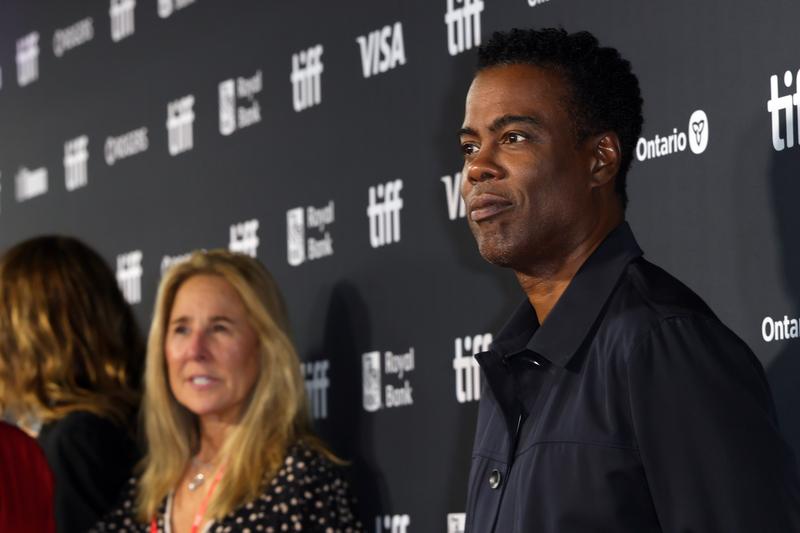
Chris Rock, a prominent figure in comedy and film, recently articulated a controversial perspective on contemporary culture. He drew direct comparisons between what he termed ‘Woke 1 advocates’ and the historical events of the Salem Witch Trials. These statements emerged during the promotional campaign for his new film, ‘Misty Green.’
The comedian’s remarks, first reported on October 3, 2026, by Page Six, suggest a perceived lack of forgiveness and an atmosphere of condemnation in current societal discourse. Rock’s commentary aligns with a broader cultural conversation regarding cancel culture and accountability.
Rock’s Critique of ‘Woke 1 Advocates’
Rock’s characterization of ‘Woke 1 advocates’ implies a group that he believes exhibits extreme or unforgiving stances. His comparison to the Salem Witch Trials highlights a perceived parallel in the intensity of public judgment and the swiftness of social repercussions.
The Salem Witch Trials, occurring in colonial Massachusetts between February 1692 and May 1693, resulted in the accusations of over 200 people for witchcraft and the executions of 20. This historical event is often cited as an example of mass hysteria and injustice, where accusations led to severe consequences without due process.
By invoking this historical parallel, Rock suggests that certain aspects of modern ‘woke’ culture may mirror the punitive and unforgiving nature of that period. He implies a system where individuals face severe social penalties for perceived transgressions.
‘Misty Green’ and the Promotional Context
Chris Rock’s comments were made as part of the publicity push for his latest cinematic endeavor, ‘Misty Green.’ This film, which Rock wrote, directed, and co-stars in, is scheduled for release in select theaters on October 9, 2026. The timing of his remarks suggests a strategic element, potentially aimed at generating discussion and media attention for the upcoming movie.
Rock has a history of using his platform to comment on social and political issues. His stand-up specials and film roles frequently incorporate sharp observations on race, class, and cultural norms. This latest commentary fits within his established pattern of engaging with contentious topics.
Public Reception and Cultural Debate
The comedian’s statements have resonated with various segments of the public. Some individuals express agreement, feeling that contemporary society has become overly critical and quick to condemn. They see Rock’s comparison as a valid critique of what they perceive as an unforgiving cultural climate.
Conversely, others view Rock’s comments as an oversimplification or a mischaracterization of social justice movements. Critics argue that holding individuals accountable for harmful actions is distinct from the baseless accusations of the Salem Witch Trials. The debate underscores the ongoing tension surrounding free speech, social responsibility, and cultural evolution.
Related: Rapper Lucki Suffers Neck Laceration at ComplexCon Amid Playboi Carti Presence
“The era of ‘Woke 1 advocates’ feels like the Salem Witch Trials, where forgiveness is scarce and accusations lead to immediate condemnation.”
This quote, attributed to Rock in the Page Six report, encapsulates his central argument. It emphasizes a perceived absence of grace and a prevalence of punitive measures within certain cultural circles. The statement has fueled further discussion across social media platforms and news outlets.
Historical Parallels and Modern Implications
The comparison between modern ‘woke’ culture and the Salem Witch Trials is not new, but Rock’s high profile brings renewed attention to the argument. Historians and cultural commentators often analyze the Salem events as a cautionary tale about the dangers of unchecked moral panic and the suppression of dissent.
Rock’s intervention adds a comedic voice to a serious cultural discussion. His ability to blend humor with social commentary allows him to address sensitive topics in a way that often provokes thought and debate. The release of ‘Misty Green’ provides a further platform for his artistic and social expressions.
The ongoing discourse reflects a society grappling with evolving standards of conduct, the role of public opinion, and the consequences of digital-age communication. Chris Rock’s comments serve as a significant contribution to this complex and often polarized conversation.
Sources
Sponsored · Put your business in front of ByteSize Network's readers, with every click measured. See advertising packages · Advertise on ByteSize Network