Tag: Comedian

  • Bill Oddie Dies: British TV Presenter and Birdwatcher Was 85

    Bill Oddie Dies: British TV Presenter and Birdwatcher Was 85

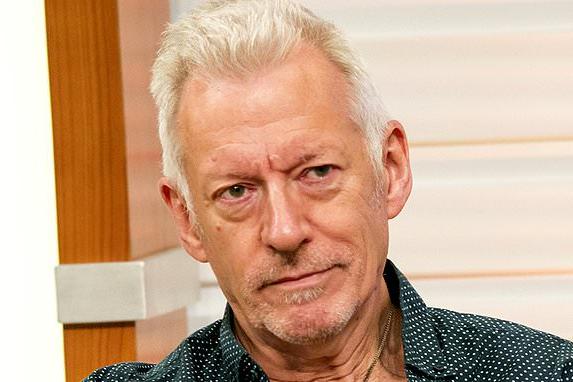
    Bill Oddie, the esteemed British television presenter, musician, comedian, and dedicated birdwatcher, has died at the age of 85. His passing on July 25, 2026, marks the end of a remarkable career that blended surreal comedy with a deep passion for natural history, making him a beloved figure across multiple generations in the United Kingdom and beyond.

    Oddie’s public life spanned over six decades. He was a familiar face on British television screens, first as a comedic innovator and later as a passionate advocate for the natural world. His distinctive style, characterized by enthusiasm and a touch of eccentricity, endeared him to millions.

    Early Life and Education

    William Edgar Oddie was born on July 7, 1941, in Rochdale, Lancashire, England. His early years were shaped by the post-war era. The family later moved to Birmingham, where Oddie developed a keen interest in nature, particularly birds. This early fascination would become a defining characteristic of his public persona and private life.

    Oddie attended King Edward’s School in Birmingham. His academic path led him to Pembroke College, Cambridge, in 1960. It was at Cambridge University that his comedic talents began to flourish. He became an integral part of the Footlights Revue, a breeding ground for many future stars of British comedy.

    The Cambridge Footlights provided a platform for Oddie to collaborate with other emerging talents. His contemporaries included Tim Brooke-Taylor and Graeme Garden, who would later become his co-stars in one of Britain’s most iconic comedy shows. This period was crucial for developing his unique comedic voice, which often incorporated musical elements and observational humor.

    The Rise of a Comedian: From ‘I’m Sorry, I’ll Read That Again’ to ‘The Goodies’

    After graduating from Cambridge, Oddie quickly established himself in the burgeoning British comedy scene. He contributed to and performed in several radio shows, most notably the BBC Radio 4 satirical sketch show, ‘I’m Sorry, I’ll Read That Again.’

    This radio program, which ran from 1964 to 1973, showcased Oddie’s versatility as a writer and performer. He worked alongside Brooke-Taylor and Garden, further solidifying their creative partnership. The show’s success laid the groundwork for their transition to television.

    The trio’s most significant collaborative achievement arrived in 1970 with the premiere of ‘The Goodies.’ This surreal sketch comedy series, which aired on BBC Two, quickly became a cultural phenomenon. ‘The Goodies’ was known for its anarchic humor, elaborate stunts, and catchy musical numbers, many of which were written and performed by Oddie.

    The show often featured the three characters (played by Oddie, Brooke-Taylor, and Garden) undertaking absurd missions, from saving a giant kitten to building a rocket to the moon. Oddie’s character was often depicted as the more eccentric and animal-loving member of the group, a trait that resonated with his real-life passions. ‘The Goodies’ ran for 12 seasons, concluding in 1982, and garnered a loyal following both in the UK and internationally.

    Musical Contributions to Comedy

    Bill Oddie’s musical talent was a cornerstone of ‘The Goodies.’ He composed and performed many of the show’s memorable songs, which often satirized popular music genres of the time. Tracks like ‘Funky Gibbon’ and ‘The Inbetweenies’ became hit singles, demonstrating his ability to blend comedy with genuine musicality.

    His contributions extended beyond ‘The Goodies.’ Oddie was also involved in other musical projects, often with a comedic or nature-themed twist. His songs were characterized by clever lyrics and an upbeat, often whimsical, style. This musical aspect distinguished his work from many of his comedic peers.

    Transition to Nature Presenter: A Second Career

    Following the conclusion of ‘The Goodies,’ Bill Oddie embarked on a highly successful second career as a natural history presenter. This transition was a natural progression, given his lifelong passion for ornithology. He leveraged his public profile and engaging personality to bring the wonders of the natural world into millions of homes.

    One of his earliest and most influential nature series was ‘Birding with Bill Oddie,’ which first aired in the late 1980s. This program, and others like it, showcased Oddie’s encyclopedic knowledge of birds and his infectious enthusiasm. He traveled across the UK and to various international locations, sharing his observations and insights with viewers.

    Oddie possessed a unique ability to make complex ecological topics accessible and entertaining. He combined scientific accuracy with a conversational, often humorous, presenting style. This approach helped to demystify birdwatching and natural history, encouraging a new generation to engage with the environment.

    Prominent Nature Programs

    • ‘Birding with Bill Oddie’ (1987-1996): This series established Oddie as a leading voice in British natural history broadcasting.
    • ‘Bill Oddie’s Gone Wild’ (2002): Explored wildlife in various British locations.
    • ‘Springwatch’ (2005-2008): Oddie became a key presenter for the BBC’s flagship live wildlife series, ‘Springwatch,’ alongside Kate Humble and Simon King. His segments were particularly popular, often featuring his trademark excitement and detailed observations of bird behavior. He also co-presented ‘Autumnwatch’ and ‘Winterwatch.’
    • ‘Bill Oddie’s How to Watch Wildlife’ (2009): A practical guide for aspiring naturalists.

    His work on ‘Springwatch’ brought him renewed prominence. The live format allowed for spontaneous and often humorous interactions with wildlife, which suited Oddie’s presenting style perfectly. He became synonymous with the program, helping to make it one of the BBC’s most successful nature franchises.

    Conservation and Advocacy

    Beyond his television work, Bill Oddie was a tireless advocate for bird conservation and environmental protection. He used his platform to raise awareness about habitat loss, climate change, and the importance of preserving biodiversity. Oddie was a patron or supporter of numerous wildlife charities and organizations.

    He frequently wrote articles for birdwatching magazines and contributed to books on ornithology. His passion was evident in every aspect of his work, inspiring countless individuals to take up birdwatching and become more environmentally conscious. Oddie often spoke about the therapeutic benefits of connecting with nature, particularly for mental well-being.

    His advocacy extended to practical efforts, including participating in surveys and campaigning for the protection of specific bird species and their habitats. Oddie’s influence helped to bring mainstream attention to issues that were once considered niche, integrating environmental concerns into popular culture.

    Personal Life and Challenges

    Bill Oddie’s personal life was largely kept private, though he occasionally spoke about his experiences with mental health. He was open about his struggles with depression, particularly later in life. His candidness helped to destigmatize mental health issues, encouraging others to seek help and speak openly about their own challenges.

    He was married twice. His first marriage was to Jean Hart, with whom he had two daughters, Bonnie and Kate. Kate Oddie followed in her father’s footsteps, pursuing a career in acting and comedy. Oddie later married Laura Beaumont-Gant, a writer and illustrator, in 1983. They had one daughter, Rosie.

    Despite his public struggles, Oddie maintained his dedication to his passions. Birdwatching remained a constant source of joy and solace throughout his life, providing a connection to the natural world that he cherished deeply.

    Legacy and Impact

    Bill Oddie’s legacy is multifaceted. He will be remembered as a pioneering figure in British comedy, whose work with ‘The Goodies’ pushed the boundaries of television humor. His unique blend of surrealism, physical comedy, and musical talent left an indelible mark on the entertainment landscape.

    Equally significant is his contribution to natural history broadcasting. Oddie transformed the way wildlife was presented on television, making it accessible, engaging, and inspiring. He brought the beauty and fragility of the natural world into millions of homes, fostering a greater appreciation for biodiversity and conservation.

    His influence can be seen in subsequent generations of nature presenters and environmental advocates. Oddie demonstrated that it was possible to combine entertainment with education, proving that serious topics could be conveyed with warmth and humor. His work on programs like ‘Springwatch’ helped to establish a format that continues to thrive today.

    Beyond the screen, Oddie’s advocacy for conservation had a tangible impact. He helped to raise funds and awareness for numerous wildlife causes, contributing to the protection of endangered species and vital habitats across the UK and beyond. His voice was a powerful one in the environmental movement.

    Tributes poured in from across the entertainment and conservation sectors upon the news of his death. Colleagues remembered his wit, his passion, and his unwavering commitment to both comedy and nature. Fans recalled moments of laughter and inspiration, highlighting the broad appeal of his work.

    Bill Oddie’s career was a testament to the power of following one’s passions. From the anarchic humor of ‘The Goodies’ to the quiet observation of a rare bird, he approached every endeavor with characteristic enthusiasm and a genuine desire to connect with his audience. His contributions enriched British culture and left a lasting impact on both comedy and conservation.

    Comedians mourned. Naturalists mourned. Audiences mourned.

    Bill Oddie.

    FAQ

    Q: Who was Bill Oddie?
    A: Bill Oddie was a British television presenter, comedian, musician, and birdwatcher. He was known for his work in the surreal comedy series “The Goodies” and later became a prominent presenter for BBC nature programs like “Springwatch.”

    Q: How old was Bill Oddie when he died?
    A: Bill Oddie died at the age of 85 on July 25, 2026.

    Q: What were Bill Oddie’s most famous comedy shows?
    A: Bill Oddie was most famous for his role in the British sketch comedy series “The Goodies,” which aired from 1970 to 1982. He also contributed to the BBC Radio 4 show “I’m Sorry, I’ll Read That Again.”

    Q: What nature programs did Bill Oddie present?
    A: Bill Oddie presented several popular nature programs, including “Birding with Bill Oddie,” “Bill Oddie’s Gone Wild,” and was a key presenter for the BBC’s “Springwatch,” “Autumnwatch,” and “Winterwatch” series.

    Q: What was Bill Oddie’s impact on conservation?
    A: Bill Oddie was a dedicated advocate for bird conservation and environmental protection. He used his public platform to raise awareness about habitat loss and biodiversity, supporting numerous wildlife charities and inspiring many to engage with nature and conservation efforts.


  • Rosie O’Donnell’s ‘Common Knowledge’ – Off-Broadway Success and the Trump Feud

    Rosie O’Donnell’s ‘Common Knowledge’ – Off-Broadway Success and the Trump Feud

    Rosie O’Donnell’s Stage Return and Public Reckonings

    Rosie O’Donnell’s Off-Broadway production, ‘Rosie O’Donnell: Common Knowledge,’ offers a candid exploration of her life, including deeply personal family challenges and her prominent, long-running public feud with President Donald Trump. The show, which has been reviewed as poignant, also teases potential future media appearances, notably a rumored segment on ‘Jimmy Kimmel Live.’

    This theatrical endeavor marks a significant moment in O’Donnell’s career. It allows her to control the narrative surrounding her public image. The production provides insights into the experiences that shaped her. It also addresses the controversies that have defined much of her recent public life.

    The Genesis of ‘Common Knowledge’

    The development of ‘Rosie O’Donnell: Common Knowledge’ began several years prior to its Off-Broadway debut. O’Donnell reportedly sought a format that would allow for a more intimate connection with her audience. She aimed to move beyond the constraints of traditional talk shows and sitcoms.

    Early workshops for the show were held in New York City. These sessions focused on refining the script and O’Donnell’s delivery. The goal was to create a piece that was both entertaining and deeply personal. The production team included veteran Off-Broadway directors and writers.

    The title itself, ‘Common Knowledge,’ suggests a dual meaning. It implies that much of O’Donnell’s life is already public record. It also hints at deeper, more personal truths that are not widely known. The show attempts to bridge this gap, inviting the audience into her private world.

    Family Challenges Unveiled

    A central theme of ‘Common Knowledge’ is O’Donnell’s candid discussion of her family challenges. These include her upbringing, her relationships with her parents, and her experiences as a mother. The show reportedly delves into the complexities of her family dynamics.

    O’Donnell has often spoken publicly about her childhood. Her mother, Roseann O’Donnell, passed away when Rosie was ten years old. This loss has been a recurring motif in O’Donnell’s work. The Off-Broadway show further explores the impact of this early tragedy.

    The production also touches upon her experiences with adoption and raising her children. She has five children: Parker Jaren, Chelsea Belle, Blake Christopher, Vivienne Rose, and Dakota. The show examines the joys and difficulties of parenthood, particularly in the public eye.

    Audience members have noted the raw honesty of these segments. O’Donnell does not shy away from difficult topics. She presents them with a blend of humor and vulnerability. This approach resonates with many who have faced similar familial struggles.

    The Enduring Feud with President Trump

    Perhaps the most anticipated aspect of ‘Common Knowledge’ is O’Donnell’s treatment of her long-standing feud with President Donald Trump. This public dispute dates back nearly two decades, originating in 2006 during O’Donnell’s tenure on ‘The View.’

    The initial disagreement stemmed from O’Donnell’s criticism of Trump’s business practices and his handling of a Miss USA contestant controversy. Trump responded with highly personal attacks, escalating the exchange into a national media spectacle. This feud has continued through Trump’s presidency and beyond.

    In ‘Common Knowledge,’ O’Donnell reportedly revisits key moments of this feud. She offers her perspective on the origins and evolution of the conflict. The show provides a platform for her to articulate her feelings and experiences surrounding these highly publicized exchanges.

    The feud gained renewed prominence during Trump’s 2016 presidential campaign. He often referenced O’Donnell in his rallies and speeches. These references served to energize his base and frame O’Donnell as a representative of the opposition. O’Donnell, in turn, continued to be a vocal critic of Trump’s policies and rhetoric.

    The Off-Broadway show is expected to offer new anecdotes and reflections on this contentious relationship. It aims to provide context to the public’s understanding of their dynamic. O’Donnell’s portrayal is seen as both personal and political, reflecting the intertwining of her public and private lives.

    Career Trajectory and Public Persona

    O’Donnell’s career has spanned various facets of entertainment. She began as a stand-up comedian. She then transitioned to film roles, starring in movies such as ‘A League of Their Own’ (1992) and ‘The Flintstones’ (1994).

    Her most prominent role came with ‘The Rosie O’Donnell Show,’ which ran from 1996 to 2002. This daytime talk show earned her multiple Emmy Awards. It established her as a beloved figure in American television. The show was known for its upbeat tone, celebrity interviews, and focus on children’s charities.

    Following ‘The Rosie O’Donnell Show,’ she returned to television with a brief stint on ‘The View’ in 2006-2007, and again in 2014-2015. Her time on ‘The View’ was marked by increased political commentary and, notably, the beginning of her feud with Donald Trump.

    Throughout her career, O’Donnell has cultivated a public persona known for its outspokenness and humor. She has been a vocal advocate for various social and political causes. These include LGBTQ+ rights, children’s welfare, and gun control. ‘Common Knowledge’ integrates these aspects of her public life into the narrative.

    The Off-Broadway Experience

    ‘Rosie O’Donnell: Common Knowledge’ has been staged in an intimate Off-Broadway theater. This setting allows for a direct and personal connection between O’Donnell and her audience. The smaller venue contrasts sharply with the large television studios she previously inhabited.

    Reviews have highlighted the stripped-down nature of the production. There are minimal set pieces and props. The focus remains squarely on O’Donnell’s storytelling. Her delivery is described as conversational and engaging, drawing the audience into her narrative.

    The show’s structure allows for a blend of stand-up comedy, personal reflection, and dramatic monologue. This hybrid format showcases O’Donnell’s versatility as a performer. It also provides a unique opportunity for her fans to experience her work in a new context.

    Audience reactions have been largely positive. Many attendees express appreciation for O’Donnell’s honesty and courage in sharing her vulnerabilities. The show serves as a testament to her enduring appeal and her ability to connect with diverse audiences.

    Speculation: ‘Jimmy Kimmel Live’ and Beyond

    One intriguing element of the ‘Common Knowledge’ reviews is the mention of O’Donnell’s potential appearance on ‘Jimmy Kimmel Live.’ This speculation suggests that her Off-Broadway run may be a prelude to broader media engagements. A guest spot on a late-night talk show would offer a significant platform.

    Such an appearance would allow O’Donnell to discuss the themes of her show with a wider audience. It could also provide an opportunity to address current events or further elaborate on her experiences. Jimmy Kimmel has historically hosted guests who are both politically outspoken and culturally relevant.

    The prospect of O’Donnell on ‘Jimmy Kimmel Live’ generates considerable interest. It would mark a return to a major television platform for her. It could also signal a new chapter in her career, blending her theatrical work with mainstream media. The potential for further discussion of the Trump feud on such a platform is also high.

    Beyond ‘Jimmy Kimmel Live,’ the success of ‘Common Knowledge’ could open doors for other projects. This might include a national tour, a televised special, or even a return to a regular television role. O’Donnell’s stage performance demonstrates her continued relevance and appeal in the entertainment landscape.

    The show’s ability to generate buzz and maintain public interest is crucial for its longevity. The hints of future appearances serve to keep O’Donnell in the public conversation. It reinforces her status as a figure who continues to evolve and surprise her audience.

    Rosie O’Donnell performs. Rosie O’Donnell reflects. Rosie O’Donnell reveals.

    New York.


  • Chloe Fineman Departs ‘Saturday Night Live’ After Seven Seasons

    Chloe Fineman Departs ‘Saturday Night Live’ After Seven Seasons

    Chloe Fineman has officially announced her departure from NBC’s ‘Saturday Night Live’ after a seven-season run. The announcement, made on 2026-07-16, marks a significant career transition for the comedian and actress, who joined the iconic sketch comedy series in 2019.

    Fineman’s tenure on ‘SNL’ was characterized by her versatile comedic talent and a remarkable ability to embody a wide range of public figures. Her impressions became a staple of the show, earning her considerable recognition.

    Fineman’s Journey to ‘Saturday Night Live’

    Chloe Fineman’s path to ‘Saturday Night Live’ began long before her 2019 debut. Born in Berkeley, California, Fineman developed an early interest in performance. She attended New York University’s Tisch School of the Arts, where she honed her acting skills.

    Before joining ‘SNL’, Fineman built a significant following through her viral impression videos on social media platforms. These videos showcased her uncanny ability to mimic celebrities, a talent that would later become a hallmark of her ‘SNL’ performances.

    Her early career included work with The Groundlings improv theater in Los Angeles. This experience provided a foundational understanding of sketch comedy and character development. The Groundlings has historically served as a pipeline for ‘SNL’ talent, fostering many successful comedians.

    Fineman’s unique blend of physical comedy, vocal mimicry, and character work made her a standout. Her online presence quickly translated into industry attention, leading to her eventual audition for the venerable late-night show.

    Seven Seasons of Impressions and Original Characters

    Fineman joined ‘Saturday Night Live’ as a featured player for its 45th season, which premiered in September 2019. She was promoted to a full repertory player in 2021, a testament to her impact and consistency.

    Her initial season saw her quickly establishing herself with memorable impressions. She brought to life figures like Drew Barrymore, Nicole Kidman, and Carole Baskin from ‘Tiger King’. These early performances garnered critical acclaim and audience engagement.

    Over her seven seasons, Fineman expanded her repertoire significantly. She famously portrayed Timothée Chalamet, particularly in sketches poking fun at his public persona and film roles. Other notable impressions included Britney Spears, Reese Witherspoon, and Elizabeth Holmes.

    Beyond impressions, Fineman also contributed original characters to the ‘SNL’ landscape. These characters often displayed a quirky, offbeat sensibility, showcasing her range beyond direct mimicry. Her ability to pivot between celebrity takeoffs and unique comedic creations underscored her value to the ensemble cast.

    She frequently appeared in recurring sketches and played pivotal roles in many cold opens and Weekend Update segments. Her presence became a reliable source of laughter for viewers.

    The Legacy of an ‘SNL’ Performer

    ‘Saturday Night Live’ has a long history of cast members who leave a lasting impression. Fineman’s seven seasons place her among a significant group of performers who have dedicated a substantial portion of their careers to the show. Her tenure is longer than many ‘SNL’ alumni, indicating a sustained period of contribution.

    The show, created by Lorne Michaels, has been a launching pad for countless comedic and acting careers since its debut in 1975. Departures from ‘SNL’ are often viewed as a natural progression, signaling an artist’s readiness to explore new creative avenues.

    Past cast members who have gone on to successful careers in film and television include Kristen Wiig, Bill Hader, and Kate McKinnon, all of whom also spent significant time on the show. Fineman’s departure follows this established pattern of ‘SNL’ talent transitioning to other projects.

    Her work on ‘SNL’ has undoubtedly raised her profile, opening doors for future endeavors in comedy, film, and television. The experience of performing live sketch comedy for a national audience provides invaluable training and exposure.

    What’s Next for Chloe Fineman?

    While the specific details of Chloe Fineman’s next projects have not been fully disclosed as of 2026-07-16, her departure from ‘Saturday Night Live’ typically suggests a pursuit of other opportunities.

    Many ‘SNL’ alumni transition into film roles, television series, or stand-up comedy tours. Fineman’s strong comedic voice and proven acting ability make her a strong candidate for a variety of roles across different media.

    Given her talent for impressions, it is plausible she might explore projects that allow her to continue showcasing this skill, perhaps in animated features or narrative comedies. Her social media presence remains a platform for her unique brand of humor.

    The entertainment industry often looks to ‘SNL’ for new talent, and Fineman’s established fan base and critical recognition position her well for future success. Her journey will be closely watched by fans and industry observers alike.

    The end of an ‘SNL’ chapter often marks the beginning of several new ones for its performers. Fineman’s announcement creates anticipation for her next creative ventures.

    The Impact on ‘Saturday Night Live’

    The departure of a long-standing cast member like Chloe Fineman inevitably leads to shifts within the ‘Saturday Night Live’ ensemble. The show’s producers, led by Lorne Michaels, consistently adapt to cast changes by promoting existing talent or introducing new featured players.

    Fineman’s unique contributions, particularly her distinctive impressions, will create a void that the show will need to address. This often provides opportunities for other cast members to step into new roles or for new talent to emerge with their own signature performances.

    ‘SNL’ has a history of successfully navigating these transitions, maintaining its cultural relevance for decades. The show’s strength lies in its ability to continually reinvent itself with fresh comedic voices.

    The upcoming season, following Fineman’s departure, will likely see new cast announcements and strategic shifts in writing and performance focus. This ongoing evolution is a core part of ‘Saturday Night Live’s’ enduring appeal.

    The show will continue its tradition of reflecting current events and pop culture through its comedic lens, even as its roster of performers changes.

    Impressions. Characters. Laughter. Seven seasons of comedic contributions. A new chapter begins. The stage awaits. The audience watches.

    Hollywood.

  • Shane Gillis Sets Guinness World Record for Solo Comedy Show Tickets Sold

    Shane Gillis Sets Guinness World Record for Solo Comedy Show Tickets Sold

    Comedian Shane Gillis has officially broken the Guinness World Record for selling the most tickets for a solo comedy show. This monumental achievement solidifies his position as a major force in the contemporary stand-up scene. The record reflects his significant and dedicated fanbase, cultivated through years of touring, podcasting, and special releases.

    This milestone is not merely a number but a clear indicator of Gillis’s impact on the comedy industry. It demonstrates a powerful connection between a performer and his audience, bypassing traditional gatekeepers and leveraging direct engagement. The accomplishment is particularly notable given Gillis’s independent trajectory and the distinctive nature of his comedic voice.

    The Trajectory of a Comedy Star

    Shane Gillis’s path to this record-breaking success has been marked by resilience and a consistent output of material. Born in Mechanicsburg, Pennsylvania, Gillis began performing stand-up in the mid-2010s. His early career saw him honing his craft in various clubs and independent shows, building a reputation for his observational humor and often provocative takes on cultural topics.

    His rise gained significant momentum through his involvement in podcasting. ‘Matt and Shane’s Secret Podcast,’ co-hosted with fellow comedian Matt McCusker, became a cornerstone of his audience development. The podcast provided a raw, unfiltered platform for Gillis to express his comedic sensibilities, fostering a loyal community of listeners.

    This direct connection with fans through independent media proved crucial. It allowed Gillis to develop a distinct brand of humor that resonated deeply with a specific demographic. This organic growth laid the groundwork for his eventual mainstream success and record-breaking ticket sales.

    Defining a Unique Style

    Gillis’s comedy is often characterized by its unflinching honesty and willingness to tackle sensitive subjects. He frequently employs a conversational style, drawing audiences into his perspective with sharp observations and a casual delivery. His humor often explores themes of working-class life, cultural absurdities, and personal anecdotes, presented without apology.

    This approach has garnered both widespread acclaim and occasional controversy. Supporters praise his authenticity and refusal to conform to perceived comedic norms. Critics, at times, have questioned the boundaries of his material. However, it is precisely this boundary-pushing quality that has endeared him to a substantial segment of the comedy audience.

    His specials, such as ‘Shane Gillis: Live in Austin’ (2021) and ‘Beautiful Dogs’ (2023), further cemented his status. These releases showcased his polished stage presence and the maturation of his comedic voice. They were distributed through platforms that allowed for broad reach, contributing significantly to his growing popularity and touring demand.

    The Mechanics of a Record-Breaking Tour

    Achieving a Guinness World Record for ticket sales requires an immense logistical effort and sustained audience interest. Gillis’s tours have consistently drawn large crowds across North America and beyond. Venues ranging from historic theaters to large arenas have hosted his sold-out performances.

    The record accounts for tickets sold across multiple dates and locations for a single solo comedy show, indicating a cumulative achievement rather than a single event. This distinguishes it from records based on attendance at a single performance. The cumulative nature of the record speaks to Gillis’s consistent drawing power over an extended period.

    Promoters and venue operators have noted the exceptional demand for Gillis’s shows. Tickets often sell out rapidly upon release, sometimes within minutes. This high demand necessitated adding additional dates in many cities, further contributing to the record-setting total.

    Impact on the Comedy Landscape

    Gillis’s record-breaking success has broader implications for the comedy industry. It signals a shift in how comedians can achieve mainstream recognition and financial success. The traditional path, often reliant on network television deals or major studio backing, is no longer the sole route.

    The rise of independent podcasts, YouTube channels, and self-produced specials has empowered comedians to build direct relationships with their audiences. This direct-to-fan model allows for greater creative control and a more authentic connection. Gillis’s career trajectory is a prime example of this new paradigm.

    His achievement also highlights the enduring appeal of stand-up comedy as a live art form. Despite the proliferation of digital content, audiences continue to seek out the unique experience of live performance. The energy of a sold-out comedy show remains a powerful draw, proving the vitality of the medium.

    Precedents and Comparisons

    While specific Guinness World Records for comedy ticket sales are rare, other comedians have achieved significant commercial success through touring. Kevin Hart, for example, has consistently sold out arenas globally, with his ‘What Now?’ tour (2015–2016) grossing over $100 million. Louis C.K. also achieved massive success with self-distributed specials and tours.

    Dave Chappelle’s return to stand-up in the late 2010s also saw unprecedented demand, with his Netflix specials drawing massive viewership and his tours selling out quickly. These examples illustrate the potential for comedians to reach superstar status through direct audience appeal and extensive touring.

    Gillis’s record is distinct in its focus on the sheer volume of tickets sold for a solo show, setting a new benchmark for individual comedic drawing power. It places him in an elite category of performers capable of commanding massive audiences on a global scale.

    The Role of Digital Platforms and Fan Engagement

    The internet has played a pivotal role in Gillis’s ascent. Beyond ‘Matt and Shane’s Secret Podcast,’ his presence on platforms like YouTube and Patreon has been instrumental. Clips of his stand-up, podcast episodes, and behind-the-scenes content circulate widely, introducing his humor to new audiences.

    Patreon, in particular, has allowed him to cultivate a dedicated community of supporters who directly fund his creative endeavors. This model provides financial independence and fosters a sense of loyalty among his most ardent fans. These fans often act as organic promoters, spreading awareness of his work.

    Social media engagement also contributes significantly. Gillis and his team actively use platforms like X (formerly Twitter) and Instagram to announce tour dates, share snippets of material, and interact with followers. This constant digital presence keeps him top-of-mind and fuels ticket demand.

    Looking Ahead: The Future of Shane Gillis’s Career

    With a Guinness World Record under his belt, Shane Gillis’s career trajectory appears set for continued growth. His ability to connect with a large, engaged audience positions him for further success in various comedic ventures. This could include more extensive international tours, additional stand-up specials, and potentially roles in film or television.

    His unique voice and independent spirit suggest he will continue to forge his own path within the entertainment industry. The record serves not as a culmination, but as a significant validation of his comedic vision and the strength of his audience.

    The achievement also sends a clear message to aspiring comedians: authenticity and direct audience engagement can lead to unparalleled success. Gillis’s journey exemplifies the power of building a community around a distinct artistic perspective.

    His shows continue to sell out. His podcasts continue to grow. His influence on comedy continues to expand. Shane Gillis has etched his name into the annals of stand-up history.

    A New Benchmark for Stand-Up

    The Guinness World Record for most tickets sold for a solo comedy show stands as a testament to Shane Gillis’s extraordinary appeal. It reflects a comedian who has mastered the art of connecting with his audience on a profound level. It underscores the changing dynamics of the entertainment world, where direct audience relationships increasingly dictate success.

    His achievement is a landmark. It is a moment of validation. It is a new benchmark for stand-up comedy.

    Fans gathered. Critics observed. The world took notice. Shane Gillis.

  • Leslie Jones’ SNL Frustration: Typecast as ‘Angry and Beating Up People’

    Leslie Jones’ SNL Frustration: Typecast as ‘Angry and Beating Up People’

    Leslie Jones’ ‘SNL’ Experience: A Story of Creative Constraint

    Leslie Jones, a prominent comedian and actress, recently articulated her frustration regarding her experiences as a cast member on NBC’s Saturday Night Live. Jones stated that during her tenure, she felt consistently typecast into roles that depicted her as an ‘angry’ woman or a character engaged in physical confrontations. This sentiment was shared during an appearance on ‘The Daily Show’, where she elaborated on the creative limitations she faced within the iconic sketch comedy program.

    Her comments resonate with broader discussions about representation and the types of roles offered to Black female performers in the entertainment industry. Jones’s candid remarks underscore a common challenge where performers, particularly those from marginalized groups, are often confined to a narrow range of character types, hindering their artistic versatility.

    Joining the Iconic ‘Saturday Night Live’

    Leslie Jones initially joined Saturday Night Live as a writer in 2014. Her transition to a featured player later that year, and then a full cast member in 2015, marked a significant moment for the show. She was one of the few Black women to join the main cast in the show’s history, bringing a distinct comedic voice and physical presence to the live sketch format.

    Her early appearances, particularly on the ‘Weekend Update’ segment, quickly garnered attention. Jones often delivered personal anecdotes with high energy and unfiltered commentary, establishing a unique rapport with the audience. These segments showcased her stand-up comedy roots and her ability to command a stage.

    The Emergence of Typecasting

    Despite her initial success and popular reception, Jones observed a pattern in the characters she was asked to portray. She reported a recurring theme of being cast as characters who were either overtly angry, aggressive, or involved in physical comedy that often leaned into stereotypes. This trend became a source of significant creative discontent for the comedian.

    The typecasting limited the range of her performances, despite her demonstrated ability to deliver diverse comedic styles. Jones expressed a desire to explore more nuanced characters and situations, moving beyond the confines of what she perceived as a restrictive comedic archetype.

    ‘The Daily Show’ Revelation

    Jones’s public comments on ‘The Daily Show’ in 2026 provided a platform for her to detail these frustrations. She described the recurring nature of the roles, noting that the predictability became a source of irritation. This public discussion brought the issue of typecasting at a major comedic institution into the open.

    Her interview highlighted the internal struggles performers can face when their creative aspirations clash with the perceived expectations or writing tendencies of a production team. Jones’s honesty offered insight into the often-unseen pressures within high-profile entertainment roles.

    Impact on Creative Expression

    Typecasting can significantly impede an artist’s creative growth and public perception. For Jones, being consistently cast as ‘angry’ characters meant that audiences might only associate her with a limited emotional range, potentially overshadowing her broader talents in acting and comedy. This can create a cycle where future roles offered outside of SNL also fall into similar patterns.

    The comedian sought opportunities to break free from these molds, aiming to demonstrate her versatility. Her work in films like Ghostbusters (2016) and her stand-up specials often showcased a wider spectrum of her comedic persona, contrasting with the specific roles she described at SNL.

    The ‘Saturday Night Live’ Writing Process

    Saturday Night Live operates on a demanding schedule, with new sketches written and rehearsed weekly. The writing process involves numerous writers pitching ideas, often tailored to the strengths and public personas of the current cast members. This system, while efficient for weekly production, can inadvertently lead to typecasting if writers consistently lean on established character tropes for individual performers.

    The show’s long history includes instances where cast members have felt their talents were not fully utilized or that they were pigeonholed. These internal dynamics are part of the complex ecosystem of a live sketch comedy show with a large ensemble cast and a rapid production cycle.

    Broader Industry Context: Representation and Stereotypes

    Jones’s experience is not isolated. The entertainment industry has a documented history of typecasting, particularly for actors from underrepresented groups. Black women, for example, have often been relegated to roles that perpetuate stereotypes, such as the ‘sassy Black woman’ or the ‘angry Black woman.’

    These portrayals can have significant cultural implications, reinforcing harmful stereotypes in the public consciousness. Activists and industry professionals continually advocate for more diverse and nuanced character development for all actors, pushing for a broader spectrum of human experience to be represented on screen.

    Leslie Jones’ Post-SNL Career

    Since her departure from Saturday Night Live in 2019, Leslie Jones has pursued a variety of projects, showcasing her range beyond the constraints she described. She has hosted game shows, appeared in dramatic roles, and continued her successful stand-up comedy career.

    Her hosting of the BET Awards and her role in the film Coming 2 America (2021) allowed her to present different facets of her comedic and acting talents. These post-SNL endeavors demonstrate her commitment to diversifying her artistic portfolio and challenging the typecasting she encountered.

    The Ongoing Conversation

    The conversation initiated by Leslie Jones about her SNL experience contributes to an ongoing dialogue within the entertainment industry regarding creative freedom, representation, and the ethical responsibilities of writers and producers. Her willingness to speak openly about these challenges encourages other performers to share their experiences and advocates for greater change.

    The discussion extends beyond individual shows, prompting reflection on how character development and casting decisions are made across television and film. It reinforces the importance of diverse writing rooms and production teams that can offer varied perspectives and break away from conventional, often stereotypical, characterizations.

    Performers speak. Audiences listen. Industry reflects.

    Change occurs.

    FAQ

    • What did Leslie Jones say about her time on Saturday Night Live?
      Leslie Jones stated that she felt frustrated by being consistently typecast into roles that depicted her as an ‘angry’ woman or a character engaged in physical altercations during her tenure on NBC’s Saturday Night Live. She shared these sentiments during an appearance on ‘The Daily Show’ in 2026.
    • When was Leslie Jones a cast member on SNL?
      Leslie Jones joined Saturday Night Live as a writer in 2014, became a featured player later that year, and was promoted to a full cast member in 2015. She departed from the show in 2019.
    • Why is typecasting a problem for comedians like Leslie Jones?
      Typecasting can limit a comedian’s creative expression and artistic growth, forcing them into a narrow range of roles. For Leslie Jones, being consistently portrayed as ‘angry’ characters potentially overshadowed her versatility and reinforced stereotypes, affecting public perception and future career opportunities.
    • Has Leslie Jones worked on other projects since leaving SNL?
      Yes, since leaving Saturday Night Live in 2019, Leslie Jones has undertaken various projects, including hosting game shows, appearing in films such as Coming 2 America (2021), and continuing her stand-up comedy career, all of which demonstrate her diverse talents.
    • What broader issues do Leslie Jones’s comments highlight?
      Leslie Jones’s comments highlight broader industry issues concerning representation, the perpetuation of stereotypes, and the creative limitations faced by performers, particularly Black women, in entertainment. Her experience underscores the need for more nuanced character development and diverse writing teams.

  • Larry David Praises Obama, Blasts Trump’s White House UFC Idea

    Larry David Praises Obama, Blasts Trump’s White House UFC Idea

    Comedian Larry David recently offered strong opinions on former Presidents Barack Obama and Donald Trump. David lauded Obama’s comedic timing as ‘perfect’ in a new HBO series. He simultaneously expressed profound embarrassment regarding reports of Trump’s suggestion for a UFC fight at the White House. These comments, published by Variety in 2026, quickly became a focal point of public discussion.

    David’s remarks highlight a celebrity’s politically charged observations on public figures. They also underscore the increasing integration of entertainment and political commentary in contemporary media.

    Larry David’s Candor on Presidential Figures

    Larry David’s commentary on two recent U.S. Presidents, Barack Obama and Donald Trump, reflects his signature unfiltered style. Known for his roles in ‘Seinfeld’ and ‘Curb Your Enthusiasm,’ David’s public statements often carry significant weight. His observations provide a celebrity viewpoint that resonates with various segments of the public.

    The comedian’s willingness to engage with politically charged topics is well-documented. His recent statements, as reported by Variety, continue this trend. They draw a clear distinction between the two former presidents, framing one through the lens of entertainment and the other through political criticism.

    Obama’s ‘Perfect’ Timing on a New HBO Series

    Larry David’s praise for Barack Obama centered on the former president’s performance in an undisclosed new HBO show. David specifically highlighted Obama’s ‘perfect’ comedic timing. This endorsement from a renowned comedian like David carries considerable weight within the entertainment industry and among audiences.

    The specific context of Obama’s appearance on HBO was not fully detailed in the Variety report. However, David’s comments suggest an appreciation for Obama’s natural aptitude for humor and delivery within a scripted or semi-scripted format. This indicates a perceived ease and effectiveness in Obama’s on-screen presence.

    This is not the first instance of public figures, particularly former presidents, crossing over into entertainment. Many political leaders have made cameos, hosted shows, or participated in documentary projects. These appearances often showcase a different side of their public persona, moving beyond the traditional political sphere.

    David’s assessment, however, focused directly on the quality of the comedic performance itself. It was not merely an acknowledgment of Obama’s presence. It was a critical evaluation of his skill in a comedic role, a rare and significant compliment from a master of the craft.

    The Trump White House UFC Fight Proposal: A Source of Embarrassment

    In stark contrast to his remarks about Obama, Larry David voiced strong disapproval concerning reports of Donald Trump’s alleged proposal for a UFC fight at the White House. David stated that the idea made him ’embarrassed to be an American.’ This sentiment reflects a significant level of discomfort and national shame with the reported concept.

    The notion of hosting a professional fighting event within the historic confines of the White House drew considerable public debate when it was first reported. Critics argued that such an event would detract from the dignity and solemnity associated with the presidential residence. It was seen by many as an inappropriate use of a revered national symbol.

    David’s reaction aligns with those who viewed the proposal as incongruous with the office of the President. His statement encapsulates a feeling of national embarrassment, a strong emotional response to the perceived lowering of presidential decorum and the sanctity of the institution. This strong reaction highlights the cultural significance attributed to the White House as a symbol of national governance and tradition.

    The Blurring Lines: Politics, Entertainment, and Public Discourse

    Larry David’s commentary highlights the increasingly blurred lines between politics and entertainment in the 21st century. Public figures, regardless of their primary profession, often find themselves commenting on or participating in both spheres. This intersection significantly shapes public perception and discourse.

    Celebrities frequently use their platforms to express political opinions, endorse candidates, or critique policies. These expressions can influence public sentiment and contribute to ongoing political conversations. David, known for his acerbic wit and observational humor, is a prominent example of this trend. His public statements often reflect broader societal anxieties or admirations.

    The public consumes political news and commentary through various channels, including traditional news outlets, social media, and increasingly, entertainment media. This integration means that a comedian’s take on a political event or figure can become a significant part of the broader narrative, reaching audiences who might not engage with traditional political news.

    Media Amplification and Public Reaction

    Variety’s report on Larry David’s statements generated immediate public reaction and widespread media coverage. Media outlets often amplify such celebrity comments, recognizing their potential to spark debate and engagement. The contrasting nature of David’s remarks about Obama and Trump ensured wide coverage across different news and entertainment platforms.

    Social media platforms became a primary venue for both support and criticism of David’s views. Supporters praised his honesty and sharp critique, often echoing his sentiments of admiration or embarrassment. Detractors, however, accused him of political bias, questioning the appropriateness of a comedian’s political commentary. This polarization is a common outcome when celebrities weigh in on political matters, reflecting deep societal divisions.

    The article serves as a reminder that celebrity opinions, particularly from well-known figures like Larry David, continue to hold sway in public discourse. Their words can validate existing viewpoints, provoke strong disagreement, or introduce new perspectives into the national conversation. This influence underscores the power of celebrity in shaping contemporary political and cultural landscapes.

    The Enduring Legacy of Presidential Figures

    Both Barack Obama and Donald Trump continue to be subjects of intense public interest years after their presidencies. Their actions, statements, and even their post-presidency activities remain under constant scrutiny and discussion. David’s comments contribute to this ongoing assessment, adding another layer to their public personas.

    Obama’s post-presidency has included various media projects, including documentary production, podcast appearances, and now, reportedly, roles in entertainment. These activities maintain his public profile and allow for different interpretations of his persona, showcasing his adaptability beyond the political arena.

    Trump’s post-presidency has also been characterized by continued public engagement, often through media appearances, political rallies, and social media. Reports about his past proposals, like the White House UFC fight, resurface periodically, prompting renewed discussion and re-evaluation of his time in office.

    Larry David’s commentary underscores how the legacies of these political leaders are continuously shaped and reshaped by public perception, media narratives, and celebrity input. Their public images are dynamic, evolving with each new comment or appearance.

    The Comedian’s Role in Modern Political Discourse

    Comedians like Larry David often serve as cultural commentators, using humor to critique society and politics. Their observations, while sometimes delivered for comedic effect, can carry serious undertones and reflect broader societal sentiments. They often act as a barometer for public mood.

    The role of satire and political humor has a long and distinguished history. From ancient Greek theater to modern late-night shows and stand-up specials, comedians have challenged authority and offered alternative, often critical, perspectives. David’s remarks fit squarely within this tradition, employing his unique brand of observational humor to comment on significant national figures.

    His ability to articulate a sense of collective embarrassment or admiration through a concise statement demonstrates the power of comedic commentary. It allows for a direct, unfiltered expression that can cut through complex political rhetoric, often resonating more deeply with audiences than traditional political analysis. Comedians frequently highlight absurdities that might otherwise be overlooked.

    HBO’s Enduring Influence on Culture

    The mention of a new HBO show featuring Barack Obama highlights the continued influence of premium cable and streaming platforms in shaping cultural narratives. HBO has a long history of producing critically acclaimed content that attracts high-profile individuals, from actors to former world leaders.

    The platform provides an avenue for diverse storytelling, including projects that might feature former political leaders in unexpected roles. This expands the reach of public figures beyond traditional news and political channels. It allows them to engage with audiences in new, often more personal or entertaining, ways.

    Larry David himself has a longstanding relationship with HBO through his hit series, ‘Curb Your Enthusiasm,’ which has run for multiple seasons. This connection further legitimizes his commentary within the HBO ecosystem. It also reinforces the network’s role as a platform for influential voices and cultural commentary. The network continues to be a significant player in the entertainment landscape.

    The intersection of a former president, a legendary comedian, and a premium network underscores the complex and interwoven nature of modern media. It shows how political figures can seamlessly transition into entertainment roles. It also demonstrates how entertainment figures can profoundly impact political discourse.

    The comments. The reactions. The debate.

    The intersection.

    Society.

  • Tom Dreesen, Stand-Up Comedian and Frank Sinatra Opener, Dies at 86

    Tom Dreesen, Stand-Up Comedian and Frank Sinatra Opener, Dies at 86

    Tom Dreesen, the venerable stand-up comedian who became a staple opener for Frank Sinatra’s concerts, died at the age of 86. His passing marks the end of an era for a performer whose career spanned more than five decades, leaving an indelible mark on American comedy and entertainment.

    Dreesen’s journey from humble beginnings to sharing stages with music legends defined much of his public persona. He was a comedian’s comedian, respected by his peers for his consistent professionalism and engaging stage presence.

    Early Life and Formative Years

    Thomas Dreesen was born on July 11, 1939, in Harvey, Illinois. His childhood was characterized by working-class struggles. He often spoke of his early life, including periods of poverty and working various odd jobs to support his family.

    These experiences later informed much of his comedic material. His ability to connect with audiences stemmed from his relatable background and his observations on everyday life.

    Dreesen served in the United States Navy, an experience that further shaped his discipline and worldview. Upon returning to civilian life, he began to explore his burgeoning interest in comedy.

    The Rise of ‘Tim and Tom’

    In 1969, Tom Dreesen teamed up with Tim Reid to form the groundbreaking comedy duo ‘Tim and Tom.’ This partnership was notable as one of the first successful biracial comedy teams in American history.

    Their act was a blend of social commentary and observational humor. They addressed racial stereotypes and societal issues with a unique blend of wit and insight.

    The duo achieved significant recognition, performing on national television shows like ‘The Tonight Show Starring Johnny Carson’ and ‘The Merv Griffin Show.’ They toured extensively, building a loyal following across the country.

    Despite their success, ‘Tim and Tom’ eventually disbanded in 1976. Both Dreesen and Reid pursued successful solo careers, with Reid going on to star in television series such as ‘WKRP in Cincinnati’ and ‘Simon & Simon.’

    A Solo Career Takes Flight

    Following the split from Tim Reid, Tom Dreesen embarked on a solo stand-up career. He quickly established himself as a polished and reliable performer.

    His style was characterized by clean, observational humor, often drawing from his life experiences and interactions with people. He avoided overtly political or controversial topics, opting instead for universal themes.

    Dreesen’s consistent quality and affable stage presence made him a favorite in comedy clubs and on television. He became a frequent guest on late-night talk shows, solidifying his reputation as a national comedic talent.

    The Tonight Show Regular

    Dreesen’s appearances on ‘The Tonight Show Starring Johnny Carson’ were particularly impactful. He made over 50 appearances on the iconic program.

    These spots provided him with immense national exposure. Carson himself was known for his discerning taste in comedians, and Dreesen’s repeated invitations were a testament to his skill.

    His segments often featured anecdotes and punchlines that resonated with a broad American audience. ‘The Tonight Show’ was a crucial platform for stand-up comedians during that era, and Dreesen maximized its potential.

    Opening for Frank Sinatra

    The defining chapter of Tom Dreesen’s career began in 1983 when he was personally chosen by Frank Sinatra to be his opening act. This partnership would last for 14 years.

    Dreesen performed more than 300 shows with Sinatra, touring across the United States and internationally. He became an integral part of Sinatra’s live performances, warming up audiences for ‘Ol’ Blue Eyes.’

    This role placed Dreesen in front of massive audiences in prestigious venues worldwide. He often recounted stories of his time with Sinatra, highlighting the legendary singer’s generosity and demanding professionalism.

    The experience provided Dreesen with unparalleled exposure and solidified his status within the entertainment industry. He became known as ‘Sinatra’s favorite comedian.’

    Life on the Road with a Legend

    Touring with Frank Sinatra was an education in itself. Dreesen observed Sinatra’s meticulous approach to performance and his deep connection with his audience.

    He learned the intricacies of performing in large arenas and theaters. The camaraderie and unique experiences shared on the road became fodder for Dreesen’s later anecdotes and memoirs.

    Dreesen maintained a close friendship with Sinatra until the singer’s death in 1998. Their bond extended beyond the stage, reflecting a mutual respect and admiration.

    Beyond the Stage: Film and Television

    While stand-up comedy remained his primary focus, Tom Dreesen also ventured into acting. He appeared in numerous films and television series throughout his career.

    His film credits include roles in ‘Spaceballs’ (1987), directed by Mel Brooks, where he played a ‘Barf’ character’s cousin. He also appeared in ‘The Man in the Moon’ (1991) and ‘Trouble with the Curve’ (2012).

    On television, Dreesen made guest appearances on popular shows such as ‘Columbo,’ ‘Murder, She Wrote,’ and ‘The Jeffersons.’ These roles showcased his versatility as a performer.

    He also hosted various television specials and telethons, further expanding his reach beyond the stand-up stage. His presence was always characterized by a warm, engaging demeanor.

    Legacy and Impact

    Tom Dreesen’s legacy is multifaceted. He was a pioneer in biracial comedy, a trusted opener for one of the greatest entertainers of all time, and a consistently funny and relatable stand-up comedian.

    He published a memoir titled ‘Still Standing: My Journey from Streets and Slums to Stages and Stadiums’ in 2018. The book detailed his life story, from his challenging childhood to his encounters with Hollywood’s elite.

    Dreesen’s dedication to his craft and his ability to maintain relevance across changing comedic landscapes are hallmarks of his career. He was a testament to perseverance and hard work in a competitive industry.

    He received numerous accolades throughout his life, including induction into the Illinois Broadcasters Hall of Fame. His contributions to comedy and entertainment are widely recognized.

    A Comedian’s Comedian

    Dreesen was known for his generosity towards younger comedians. He often offered advice and encouragement to emerging talents.

    His professionalism was legendary. He consistently delivered polished performances, whether in a small club or a grand arena.

    His clean style of humor ensured his appeal to a wide demographic. He proved that laughter could be generated without resorting to shock value or vulgarity.

    Audiences laughed. Peers respected. Legends endorsed. Sinatra.

    FAQ Section

    • What was Tom Dreesen best known for?
      Tom Dreesen was best known for his long and successful career as a stand-up comedian, particularly for opening over 300 concerts for Frank Sinatra during a 14-year period from 1983 to 1997. He also gained recognition as part of the biracial comedy duo ‘Tim and Tom’ in the 1970s.
    • How old was Tom Dreesen when he died?
      Tom Dreesen died at the age of 86. He was born on July 11, 1939.
    • What was the comedy duo Tom Dreesen was a part of?
      Tom Dreesen was a part of the pioneering biracial comedy duo ‘Tim and Tom’ with Tim Reid. They formed the duo in 1969 and achieved national recognition before disbanding in 1976.
    • Did Tom Dreesen write a memoir?
      Yes, Tom Dreesen published a memoir titled ‘Still Standing: My Journey from Streets and Slums to Stages and Stadiums’ in 2018. The book chronicles his life and career in entertainment.
    • How many times did Tom Dreesen appear on ‘The Tonight Show’?
      Tom Dreesen made over 50 appearances on ‘The Tonight Show Starring Johnny Carson,’ establishing himself as a frequent and popular guest on the program.