
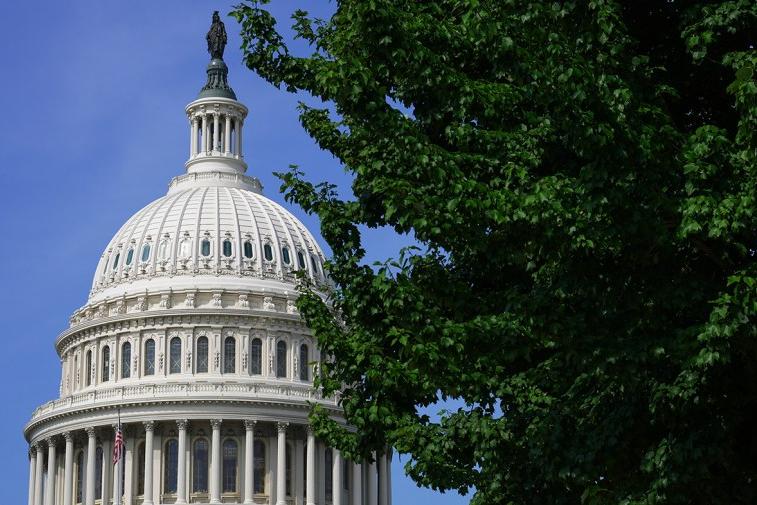
- A recent survey indicates a rise in American skepticism towards government information.
- Distrust in official sources has been a growing trend over several years.
- This skepticism impacts public policy and civic engagement.
- The findings suggest a challenge for government institutions in maintaining credibility.
A significant portion of the American populace now views information from government sources with increased skepticism. This growing distrust represents a critical challenge for public institutions. The trend reflects a complex interplay of factors, including political polarization, media consumption habits, and past governmental actions.
In many ways, this skepticism is not a new phenomenon. Historical periods have shown fluctuating levels of public trust. But the current trajectory suggests a more entrenched and widespread doubt.
What looks like a modern crisis of confidence actually has roots in decades of evolving public perception. The current survey data provides a snapshot of this ongoing shift.
The Erosion of Public Confidence
A recent survey, conducted in 2026, reveals that a majority of Americans express doubts about the accuracy and completeness of information provided by government agencies. This marks a notable increase from previous years.
Respondents cited various reasons for their skepticism. These included perceived inconsistencies in official statements, the influence of political agendas, and a general feeling of being misinformed.
This erosion of confidence extends across different demographics. While some groups show higher levels of distrust, the overall trend is pervasive.
Factors Contributing to Distrust
Several factors contribute to this heightened skepticism. The rapid spread of misinformation and disinformation through social media platforms plays a significant role. Citizens are exposed to a wider array of narratives, making it harder to discern official truths.
Political polarization also exacerbates the issue. Partisan divides often lead individuals to distrust information originating from institutions associated with opposing political viewpoints. This creates an echo chamber effect, reinforcing existing biases.
Past events, such as government responses to crises or controversial policy decisions, also linger in public memory. These historical precedents can fuel contemporary skepticism, even when circumstances differ.
Impact on Governance and Society
The declining trust in government information carries substantial implications for effective governance. Public health initiatives, economic policies, and national security efforts all rely on a degree of public acceptance and belief in official guidance.
When skepticism is high, compliance with public directives may decrease. This can undermine collective action and complicate responses to national challenges. For example, public health campaigns require widespread trust to be effective.
Civic engagement also suffers. A skeptical populace may be less likely to participate in democratic processes, such as voting or community organizing, if they believe government institutions are not transparent or truthful.
Challenges for Democratic Institutions
Democratic institutions thrive on an informed and engaged citizenry. High levels of distrust can weaken the foundations of these institutions. It can foster cynicism and disengagement, making it harder for governments to address societal needs.
The challenge for government agencies is to rebuild this trust. This involves greater transparency, consistent communication, and a demonstrable commitment to factual accuracy. Restoring credibility is a long-term endeavor.
Efforts to combat misinformation and promote media literacy are also crucial. Equipping citizens with the tools to critically evaluate information can help mitigate the impact of false narratives.
Surveys gathered. Data analyzed. Trends identified. Skepticism.
-
Question: What is the main finding of the recent survey regarding government information?
Answer: The survey indicates a significant increase in American skepticism towards information provided by government institutions, reflecting a growing distrust in official sources.
-
Question: What factors contribute to the rise in public distrust of government information?
Answer: Factors contributing to this distrust include the spread of misinformation, political polarization, and historical governmental actions that have eroded public confidence over time.
-
Question: How does increased skepticism towards government information affect society?
Answer: Increased skepticism can negatively impact effective governance, reduce compliance with public directives, and decrease civic engagement, thereby weakening democratic institutions.
-
Question: What can government institutions do to rebuild trust with the public?
Answer: Government institutions can work to rebuild trust through greater transparency, consistent and accurate communication, and a demonstrated commitment to factual reporting.
Automate Your Business Operations
Productized 7-day fixed-rate multi-agent AI automation for Springfield and Ozarks businesses. Eliminate software bloat and streamline media & operations.