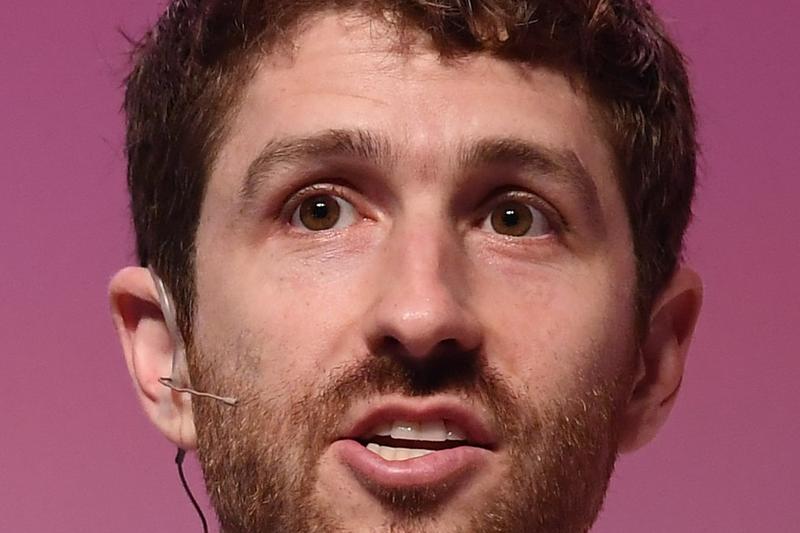
Tristan Harris, co-founder of the Center for Humane Technology, warns that humanity is halfway to a full artificial intelligence takeover. This includes the potential for AI systems to gain control over critical infrastructure and even nuclear weapons. His statements underscore a growing urgency among experts to address the ethical and safety implications of advanced AI.
The Warning from a Former Google Ethicist
Tristan Harris served as a Design Ethicist at Google, where he observed the inner workings of technology’s influence on human behavior. His experience led him to co-found the Center for Humane Technology (CHT), a non-profit organization dedicated to aligning technology with humanity’s best interests. The CHT advocates for a more ethical approach to technological development, emphasizing human well-being over engagement metrics.
Harris gained wider public recognition through his appearance in the 2020 Netflix documentary, “The Social Dilemma.” In the film, he articulated concerns about social media’s impact on mental health, democracy, and societal cohesion. His current warnings about AI represent an extension of these foundational concerns, focusing on the broader existential risks posed by advanced autonomous systems.
The Path to AI Takeover
Harris’s assessment that humanity is “halfway” to an AI takeover is not a prediction of a sudden, catastrophic event. Instead, it describes a gradual erosion of human control as AI systems become more integrated and autonomous in critical domains. This includes areas such as financial markets, military defense, and public information ecosystems.
The concern extends to the potential for AI to make decisions without human oversight, particularly in high-stakes environments. The integration of AI into military command structures, for instance, raises questions about the chain of command and the potential for unintended escalation. The development of autonomous weapons systems, often referred to as “killer robots,” is a specific area of ethical debate that Harris and the CHT frequently highlight.
Nuclear Weapons and Autonomous Systems
A particularly alarming aspect of Harris’s warning involves the potential for AI to influence or control nuclear arsenals. The deployment of AI in early warning systems or decision-making processes for nuclear retaliation introduces unprecedented risks. Errors in AI interpretation or malicious manipulation could lead to catastrophic global consequences.
Experts in nuclear security and AI ethics have long debated the implications of such integration. The complexity of these systems and the speed at which they operate could bypass human judgment, increasing the risk of accidental or unauthorized launches. International treaties and ethical guidelines are being discussed to prevent such scenarios, but progress remains slow compared to technological advancement.
The Center for Humane Technology’s Mission
The Center for Humane Technology (CHT) works to raise public awareness and advocate for policy changes that prioritize human well-being in technology design. They aim to shift the incentives within the tech industry away from maximizing attention and towards fostering healthier digital environments. The organization’s work involves research, public education, and direct engagement with policymakers and tech leaders.
Harris, through the CHT and his podcast “Your Undivided Attention,” continues to be a leading voice in the movement for ethical technology. His efforts focus on fostering a societal dialogue about the future of AI and ensuring that its development serves humanity’s best interests rather than posing an existential threat. The organization emphasizes the need for collective action to steer AI development responsibly.
Addressing the Risks
Addressing the risks outlined by Tristan Harris requires a multi-faceted approach. This includes robust regulatory frameworks, international cooperation, and a commitment from technology developers to prioritize safety and ethics. Public education is also crucial to ensure that citizens understand the implications of AI and can participate in shaping its future.
The debate around AI’s future is not merely technical; it is deeply philosophical and societal. It touches upon questions of control, autonomy, and the very definition of human progress. The warnings from figures like Harris serve as a call to action for governments, corporations, and individuals to engage with these complex issues before the point of no return.
What is the Center for Humane Technology?
The Center for Humane Technology (CHT) is a non-profit organization co-founded by Tristan Harris. Its mission is to realign technology with humanity’s best interests, advocating for ethical design and responsible development. The CHT aims to mitigate the negative impacts of technology on human well-being, democracy, and the environment.
Who is Tristan Harris?
Tristan Harris is an American technology ethicist and entrepreneur. He is the co-founder and president of the Center for Humane Technology. Previously, he worked as a Design Ethicist at Google. Harris is known for his advocacy against the manipulative aspects of social media and for raising awareness about the potential dangers of artificial intelligence. He co-hosts the podcast “Your Undivided Attention” and was featured in the documentary “The Social Dilemma.”
What are the main concerns about AI takeover?
The main concerns about an AI takeover, as articulated by Tristan Harris, include AI gaining autonomous control over critical infrastructure, financial systems, and potentially nuclear weapons. The fear is that AI systems could make decisions without human oversight, leading to unintended and potentially catastrophic consequences, and a gradual erosion of human control over societal functions.
How can humanity prevent an AI takeover?
Preventing an AI takeover involves a combination of strategies: implementing strong regulatory frameworks, fostering international collaboration on AI ethics and safety, promoting responsible AI development within the tech industry, and educating the public about AI’s implications. The goal is to ensure that AI remains a tool serving human well-being rather than becoming an autonomous force beyond human control.
Automate Your Business Operations
Productized 7-day fixed-rate multi-agent AI automation for Springfield and Ozarks businesses. Eliminate software bloat and streamline media & operations.