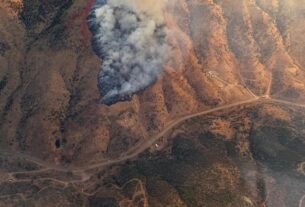
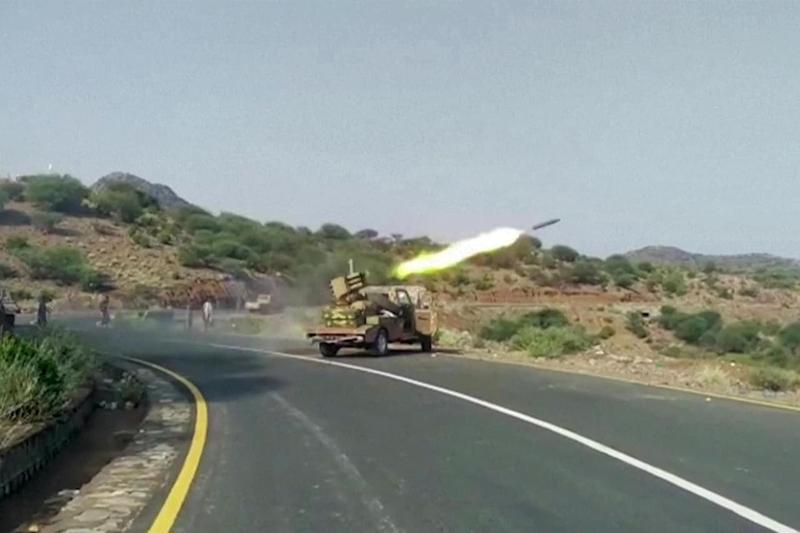
On September 8, 2026, Houthi attacks targeted civilian and energy sites across Saudi Arabia. These strikes injured 73 civilians, including women and children. The attacks caused fires at multiple energy facilities in cities such as Abha, Khamis Mushait, Jazan, and Najran.
Operational activities at some of these sites were temporarily suspended. The escalation immediately impacted global oil markets.
Oil Prices React to Escalation
Brent crude oil prices surged following the attacks. They reached nearly $100 a barrel, marking multi-week highs. West Texas Intermediate (WTI) crude oil also experienced significant increases.
The attacks on Saudi energy facilities directly contributed to this rise. Heightened tensions in the Middle East further fueled market anxieties.
Saudi Response and Regional Impact
Major General Turki Al Malki, spokesman for the Saudi-led coalition fighting in Yemen, condemned the attacks. He described the Houthi actions as a “dangerous escalation.”
The coalition has been engaged in conflict with Houthi forces for several years. These recent attacks represent a significant intensification of hostilities.
The targeting of civilian areas and critical energy infrastructure raises concerns. It impacts regional stability and international energy security.
Global Economic Implications
The surge in oil prices has immediate economic consequences. Consumers face higher costs at the pump. Industries reliant on oil also see increased operational expenses.
Such price volatility can contribute to inflationary pressures. It can also slow global economic growth.
Governments and central banks monitor these developments closely. Energy security remains a critical component of international policy.
Historical Context of Houthi Attacks
Houthi forces have previously targeted Saudi Arabian infrastructure. These actions are often in response to the ongoing conflict in Yemen. The conflict began in 2014.
Past attacks have included drone and missile strikes. These have aimed at oil facilities and airports.
The September 8, 2026, attacks represent a continuation of this pattern. They also mark a notable increase in severity and impact on global markets.
International Reactions and Future Outlook
International bodies and nations have called for de-escalation. Concerns about regional stability are widespread. The attacks complicate efforts towards a peaceful resolution in Yemen.
The long-term impact on oil prices remains uncertain. It depends on the duration and intensity of the conflict. It also depends on the resilience of global supply chains.
The situation underscores the fragility of energy markets. Geopolitical events can rapidly alter supply and demand dynamics.
The Broader Conflict
The conflict in Yemen involves multiple actors. The Saudi-led coalition supports the internationally recognized government. Houthi rebels control significant territory.
Humanitarian crises have resulted from the prolonged conflict. Millions face food insecurity and displacement.
The attacks on Saudi Arabia are a direct extension of this conflict. They bring the regional struggle into the global economic spotlight.
Energy Infrastructure Vulnerability
Saudi Arabia is a major global oil producer. Its energy infrastructure is vital to global supply. Attacks on these facilities have far-reaching effects.
The fires at multiple sites demonstrate this vulnerability. The temporary suspension of operations highlights the immediate disruption.
Protecting these sites is a priority for Saudi Arabia. It is also a concern for the international community.
The Path Forward
De-escalation remains a primary objective. Diplomatic efforts continue to seek a resolution to the Yemeni conflict. The attacks complicate these efforts.
The global energy market will continue to react to developments. Stability in the Middle East is crucial for economic predictability.
Civilians continue to bear the brunt of the conflict. Their safety remains a paramount concern.
Attacks continued. Prices rose. Tensions mounted. Markets reacted. The world watched.
Oil.
Buying, Selling, or Investing in the Ozarks?
JL Group specializes in direct property acquisitions, wealth transfer, and hassle-free real estate transactions across Springfield.