
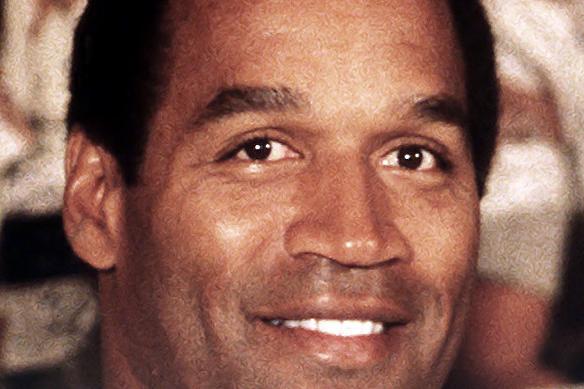
O.J. Simpson, a prominent figure in American sports and legal history, sought to re-enter the public eye through reality television after his release from prison in 2017. This attempt at a comeback, however, faced significant public and media opposition. The documentary ‘O.J. Unseen: Exploitation of Evil’ on Investigation Discovery (ID) examines these efforts and the broader implications of his continued presence in popular culture.
The documentary explores the period following Simpson’s parole, highlighting his desire to leverage his notoriety. It details the various pitches and concepts for reality shows that were considered, and ultimately rejected, by networks and production companies.
The Aftermath of Parole and Public Scrutiny
O.J. Simpson was paroled on October 1, 2017, after serving nine years of a 33-year sentence for armed robbery and kidnapping. His release reignited public debate about his past and his potential future in the public sphere. Many questioned the appropriateness of a reality television comeback for a figure so deeply associated with high-profile criminal trials.
The public’s memory of the 1995 acquittal for the murders of Nicole Brown Simpson and Ron Goldman remained a significant barrier. Despite the acquittal, a civil court later found him liable for their deaths, ordering him to pay $33.5 million in damages. This verdict heavily influenced public perception.
Reality TV Pitches and Rejections
Following his parole, Simpson and his associates explored various avenues for a reality television series. These concepts reportedly ranged from a show about his life post-prison to more lighthearted, observational formats. Production companies and networks, however, largely shied away from these proposals.
The primary concern cited by industry insiders was the potential for public backlash and advertiser boycotts. The controversy surrounding Simpson’s past made him a high-risk proposition for any mainstream media outlet. The documentary ‘O.J. Unseen: Exploitation of Evil’ features interviews with individuals involved in these discussions, shedding light on the internal debates and ultimate decisions.
The Enduring Cultural Impact of O.J. Simpson
O.J. Simpson’s life, from his celebrated football career to his legal battles, captivated the American public for decades. His story became a touchstone for discussions on race, justice, and celebrity. Even after his death on April 10, 2024, at the age of 76, interest in his life and legacy persists.
Documentaries like ‘O.J. Unseen’ continue to explore different facets of his narrative. They serve as a reflection of society’s ongoing fascination with figures who embody complex moral and legal questions. The thwarted reality TV comeback is presented as another chapter in this long and controversial public life.
The series aims to provide a comprehensive look at this specific period, utilizing unseen footage and new interviews. It seeks to understand the motivations behind Simpson’s desire for a reality TV presence and the reasons for its ultimate failure. The Hollywood Reporter detailed the documentary’s focus on these post-parole endeavors.
Public Opinion and Media Responsibility
The rejection of O.J. Simpson’s reality TV proposals highlights the role of public opinion and media responsibility. Networks and advertisers often weigh potential ratings against ethical considerations and public sentiment. In Simpson’s case, the overwhelming negative association with his past proved too significant to overcome.
This situation underscores the power of collective memory and the lasting impact of high-profile legal cases on a public figure’s career. Even years after his trials, the shadow of his past continued to define his public image. Wikipedia provides a detailed overview of his life and legal history.
The Legacy of a Thwarted Comeback
O.J. Simpson’s attempt to launch a reality television career after his 2017 parole ultimately failed. The public, media, and industry gatekeepers largely rejected the notion of his return to mainstream entertainment. This rejection solidified his image as a figure perpetually linked to his controversial past, rather than a potential reality TV star.
The documentary ‘O.J. Unseen: Exploitation of Evil’ serves as a historical record of this specific period. It documents the efforts made and the reasons for their failure. It contributes to the ongoing narrative surrounding O.J. Simpson, focusing on his post-prison life and the public’s unwillingness to embrace his attempted reinvention.
The public remembered. The networks remembered. The advertisers remembered.
The past.
Position Your Brand Where Decision-Makers Read
High-impact advertising, brand positioning, and digital PR. Reach hundreds of thousands across the Midwest network.