
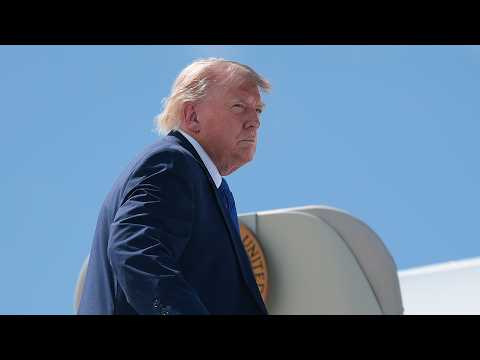
President Donald Trump paused planned military strikes against Iran on August 2, 2026. Diplomatic talks resumed the same day. The decision halted what appeared to be an imminent military response to unspecified Iranian actions.
The pause raises immediate questions. What triggered the original strike order? What changed to prompt the halt? What does the resumption of talks mean for U.S.-Iran relations?
In many ways, the August 2 decision reflects a recurring pattern in Trump’s foreign policy style—escalation followed by negotiation, threat followed by pause, military posture paired with diplomatic pivot.
The Timeline Leading to the Pause
Details remain sparse. The White House has not released a formal statement outlining the specific Iranian actions that prompted strike planning. The Pentagon has not confirmed target lists or mission parameters.
What is known: Trump administration officials had been in active strike-planning mode. Military assets were positioned. Commanders were briefed. Then the pause order came.
The timing matters. August 2, 2026 falls during a period of heightened Middle East tension. Regional actors have been watching U.S. policy closely. Allies want reassurance. Adversaries want predictability.
Trump’s decision to pause strikes while resuming talks suggests a calculated recalibration. The question is whether the pause represents tactical patience or strategic uncertainty.
What Diplomatic Talks Mean in This Context
Resuming talks does not mean agreement. It means both sides see value in dialogue over immediate escalation.
The nature of the talks remains unclear. Are they bilateral U.S.-Iran discussions? Do they involve European intermediaries? Are Gulf allies participating?
Historically, U.S.-Iran negotiations have covered nuclear enrichment, ballistic missile programs, regional proxy activity, and sanctions relief. Any or all of these could be on the table now.
Trump’s willingness to pause strikes signals that he sees a diplomatic path worth exploring. Whether Iran sees the same path is another question entirely.
The Leadership Calculus Under Pressure
Crisis decision-making reveals leadership style. Trump’s August 2 pause offers a case study in real-time executive judgment.
Supporters see restraint. The president had the military option ready. He chose not to use it. That choice required confidence in an alternative approach.
Critics see uncertainty. A strike order followed by a pause suggests indecision or last-minute doubts. It raises questions about whether the original strike plan was fully vetted.
Both interpretations hinge on the same observable fact: Trump paused. The meaning of the pause depends on what comes next.
Precedents in Trump’s Foreign Policy Approach
This is not the first time Trump has pulled back from military action against Iran. In June 2019, Trump ordered and then canceled strikes after Iran shot down a U.S. surveillance drone. He cited concerns about proportionality and potential casualties.
That earlier pause led to diplomatic outreach and eventual de-escalation. It also drew criticism from hawks who argued the decision emboldened Iran.
The August 2, 2026 pause follows a similar script. Whether it leads to the same outcome remains to be seen.
What Allies and Adversaries Are Watching
Gulf allies—Saudi Arabia, the United Arab Emirates, Bahrain—are paying close attention. They want a strong U.S. posture against Iran. They also want stability.
A strike would signal resolve. A pause followed by productive talks could signal strategic patience. A pause followed by collapse could signal weakness.
European allies prefer diplomacy. They have historically opposed military escalation with Iran. They support negotiations that reduce the risk of regional conflict.
Iran itself is reading the pause carefully. Does it represent a window for concessions? Or does it represent U.S. hesitation?
Russia and China are watching too. Both have economic and strategic interests in Iran. Both prefer a Middle East where U.S. influence is constrained.
The Domestic Political Dimension
Trump’s decision to pause strikes arrives during an election cycle. Foreign policy decisions carry domestic political weight.
His base includes voters who oppose endless wars. They supported Trump’s 2016 campaign promise to reduce U.S. military commitments abroad. A pause that avoids escalation fits that narrative.
His base also includes voters who prioritize strength. They want decisive action against adversaries. A pause that looks like retreat does not fit that narrative.
The challenge for Trump is to satisfy both impulses—strength and restraint—simultaneously.
Congressional Reactions
Members of Congress from both parties have called for briefings. Lawmakers want to know what prompted the strike planning and what changed to justify the pause.
Some senators have praised the decision to pursue diplomacy. Others have questioned whether the pause sends the wrong signal to Iran.
The debate reflects a broader tension in U.S. foreign policy: when to negotiate, when to strike, and who gets to decide.
The Risk of Miscalculation
Pausing strikes does not eliminate the risk of conflict. It delays it. The question is whether the delay creates space for resolution or simply postpones inevitable escalation.
Iran could interpret the pause as weakness. That interpretation could lead to further provocations. Those provocations could force Trump’s hand in ways that make diplomacy harder.
Alternatively, Iran could interpret the pause as an opportunity. Talks could produce concessions that reduce tensions. Those concessions could create a foundation for longer-term stability.
The outcome depends on choices made by both Washington and Tehran in the coming days and weeks.
What Happens Next
The August 2 pause is not an endpoint. It is a pivot. What follows will determine whether the pivot was strategic or simply reactive.
If talks produce tangible progress—sanctions relief in exchange for nuclear concessions, for example—the pause will be seen as a masterstroke.
If talks collapse and tensions resume, the pause will be seen as a missed opportunity to act from a position of strength.
If talks drag on inconclusively, the pause will be seen as a delay that solved nothing.
Trump is betting that diplomacy can work. That bet requires cooperation from Iran. It requires patience from allies. It requires confidence from voters.
The test is underway.
Military assets remain in position. Diplomats are talking. The world is watching.
August 2, 2026.
Frequently Asked Questions
Why did President Trump pause military strikes against Iran in August 2026?
On August 2, 2026, President Trump paused planned strikes as diplomatic talks with Iran resumed. The White House has not publicly disclosed the specific Iranian actions that prompted the original strike planning or the factors that led to the pause. The decision appears to reflect a shift toward negotiation over immediate military escalation.
What are the diplomatic talks between the U.S. and Iran about?
The exact scope of the August 2026 talks has not been disclosed. Historically, U.S.-Iran negotiations have focused on nuclear enrichment, ballistic missile programs, regional proxy activity, and sanctions relief. Any or all of these issues could be under discussion as part of the resumed diplomatic engagement.
Has Trump paused military strikes against Iran before?
Yes. In June 2019, President Trump ordered and then canceled strikes against Iran after the downing of a U.S. surveillance drone. He cited concerns about proportionality and potential casualties. That earlier pause led to diplomatic outreach and temporary de-escalation, though critics argued it emboldened Iran.
What do allies think about Trump pausing Iran strikes?
Gulf allies such as Saudi Arabia and the UAE want a strong U.S. posture against Iran but also value stability. European allies generally prefer diplomacy and oppose military escalation. Both groups are watching to see whether the pause leads to productive negotiations or eventual collapse of talks.
What happens if the diplomatic talks with Iran fail?
If talks collapse, the risk of military escalation remains. Military assets are still positioned, and the original strike planning could resume. The failure of diplomacy would likely be interpreted by critics as a missed opportunity to act from a position of strength and could increase pressure on Trump to respond with force.




Leave a Reply