
TL;DR / KEY TAKEAWAYS BLOCK
- A 7.4-magnitude earthquake struck western Colombia on Monday, August 10, 2026.
- The epicenter was located near San José del Palmar in the Chocó region.
- Initial death tolls ranged from at least 20 to over 47 fatalities.
- Multiple buildings collapsed in cities including Pereira, Manizales, and Cali.
- The earthquake represents the first major crisis for Colombian President Abelardo de la Espriella, inaugurated on August 7, 2026.
OPENING HOOK
A powerful 7.4-magnitude earthquake struck western Colombia on August 10, 2026, causing significant casualties and widespread structural damage. This seismic event immediately presented a critical challenge for the nation’s newly installed leadership.
The tremor’s epicenter was identified near San José del Palmar in the Chocó region. Its depth was estimated by the U.S. Geological Survey at approximately 66 to 67 miles (107 km).
Initial reports from officials and media outlets indicated a death toll ranging from at least 20 to over 47 individuals. Cities such as Pereira, Manizales, and Cali reported numerous building collapses.
What looks like a natural disaster is also a political crucible. The earthquake marks the first major crisis for Colombian President Abelardo de la Espriella, who had been sworn into office just three days prior, on August 7, 2026.
The Immediate Aftermath
The earthquake struck with little warning, sending tremors across a wide swath of western Colombia. Residents reported intense shaking and widespread panic.
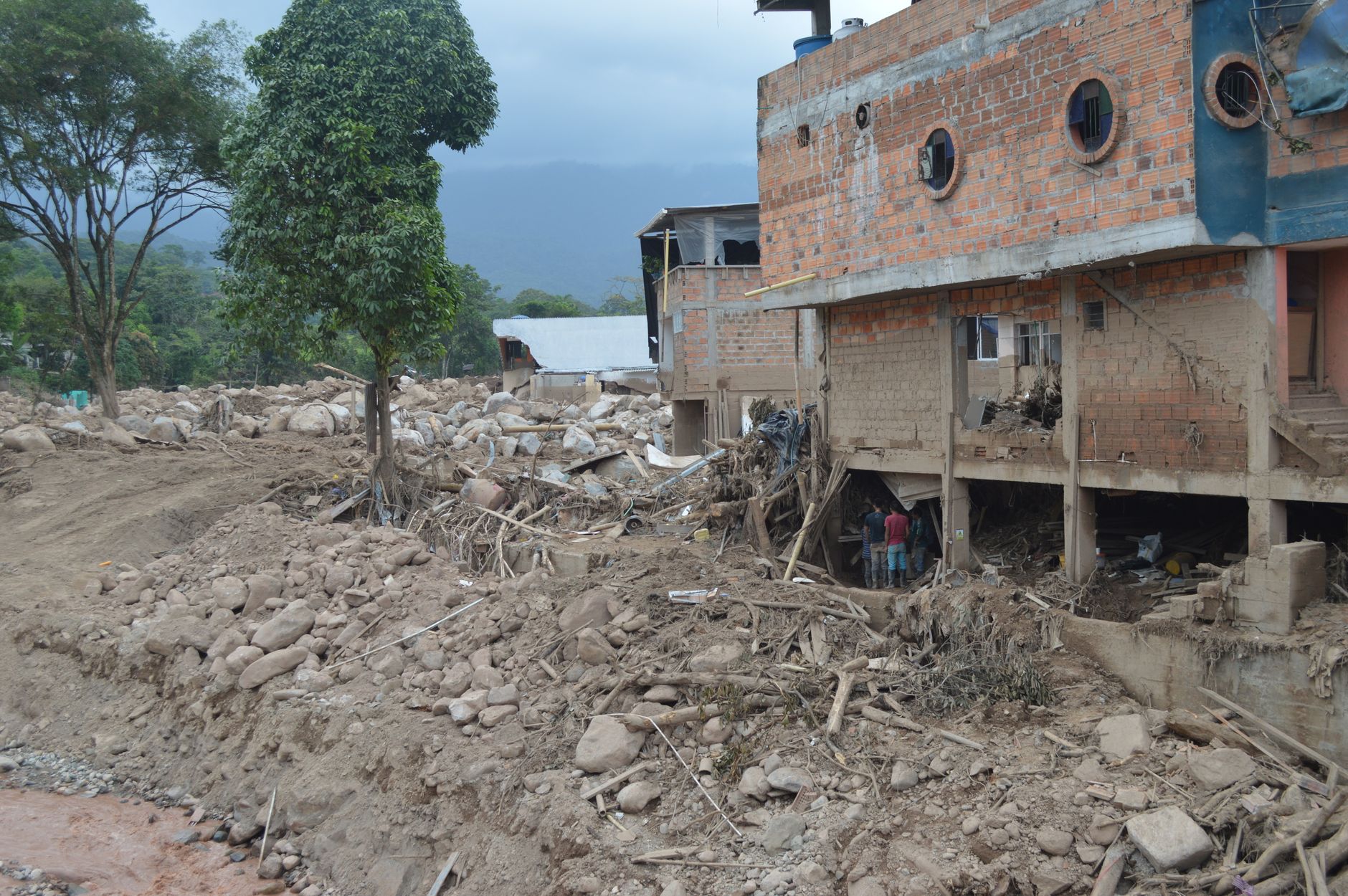
Emergency services were immediately deployed to affected areas. Rescue operations commenced amidst the rubble of collapsed buildings.
The scale of the damage quickly became apparent. Infrastructure, including roads and communication lines, suffered significant disruption in several regions.
Hospitals in cities like Cali and Pereira were overwhelmed with injured individuals. Medical personnel worked to triage and treat the influx of casualties.
Geological Context of the Event
Colombia is situated in a seismically active zone, lying at the convergence of several tectonic plates. The Nazca, Caribbean, and South American plates interact beneath the country.
This geological setting makes earthquakes a recurring natural phenomenon in the region. The depth of this particular quake, at 66 to 67 miles, indicates a subduction zone event.
Deep earthquakes often produce less intense shaking at the surface compared to shallow quakes of similar magnitude. However, their energy can travel further, affecting a broader area.
The specific location near San José del Palmar in Chocó is part of a complex fault system. This system contributes to the region’s seismic vulnerability.
President De la Espriella’s Inauguration and First Days
Abelardo de la Espriella assumed the presidency of Colombia on August 7, 2026. His inauguration marked a new chapter for the nation.
His initial days in office were focused on establishing his cabinet and outlining policy priorities. The earthquake abruptly shifted this focus.
The disaster immediately thrust the new administration into a high-stakes emergency response scenario. Public attention turned to the government’s ability to manage the crisis.
President De la Espriella’s response will be closely scrutinized. His leadership in the face of this natural catastrophe will define the early perception of his presidency.
International Response and Aid
Following the earthquake, several international organizations and countries offered assistance to Colombia. Humanitarian aid and search-and-rescue teams were prepared for deployment.
The United Nations Office for the Coordination of Humanitarian Affairs (OCHA) began monitoring the situation. They prepared to support local efforts if requested by the Colombian government.
Neighboring countries also extended their condolences and offers of support. International solidarity is a common response to large-scale natural disasters.
The extent of international aid ultimately depends on the assessment of needs by the Colombian authorities. Coordination efforts are crucial for effective disaster relief.
CLOSING — THE TERMINAL DROP
Buildings crumbled. Lives were lost. A nation braced for recovery. A new president faced his defining moment.
Colombia.




Leave a Reply