
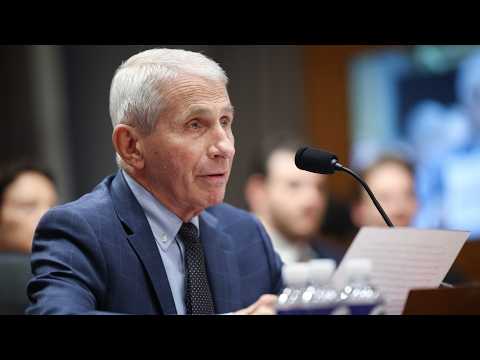
Fauci Invokes Fifth Amendment
Dr. Anthony Fauci invoked his Fifth Amendment right against self-incrimination today, July 29, 2026, during a Senate hearing in Washington D.C. The hearing was convened to scrutinize aspects of the government’s handling of the COVID-19 pandemic.
Fauci, who previously served as the Director of the National Institute of Allergy and Infectious Diseases (NIAID) and Chief Medical Advisor to the President, declined to answer questions posed by senators. The specific questions leading to the invocation have not yet been fully disclosed to the public.
The Senate Hearing Context
The Senate committee conducting the hearing has been investigating various facets of the COVID-19 response. This includes the origins of the virus, vaccine development, public health mandates, and federal funding allocations. Witnesses have been called to provide testimony on these matters over several months.
Today’s session was anticipated to be a significant moment in these ongoing investigations. Fauci’s appearance was highly anticipated by both the committee members and the public.
Understanding the Fifth Amendment
The Fifth Amendment to the United States Constitution provides several protections for individuals. Among these is the right against self-incrimination, often referred to as “pleading the Fifth.” This right allows a witness to refuse to answer questions if their answers might incriminate them.
Invoking this right is a legal protection. It does not automatically imply guilt, but it prevents the government from compelling testimony that could be used against the witness in a criminal proceeding.
Developing Story: Limited Details Available
This is a developing story. Initial reports from Bloomberg Television confirmed Fauci’s action. Further details regarding the specific line of questioning, the committee’s reaction, and any subsequent legal proceedings are expected to emerge in the coming hours and days.
The invocation marks a significant turn in the ongoing public and political discourse surrounding the pandemic response. Public interest in the proceedings remains high.