
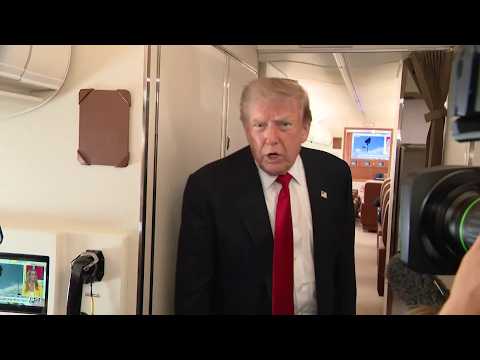
On July 27, 2026, President Donald Trump publicly declared that the United States possesses “plenty of ammo left” for a potential conflict with Iran. This assertion, delivered via Bloomberg Television, highlights the administration’s continued strong stance on national security and its approach to geopolitical rivals in the Middle East. The statement serves to reinforce perceptions of American military readiness and resolve.
The President’s remarks arrive amidst ongoing regional tensions. Geopolitical analysts frequently monitor such statements for indications of future policy directions. These declarations can influence international diplomacy and defense strategies.
The Context of President Trump’s Statement
President Trump’s comment did not occur in isolation. It emerged within a broader landscape of US-Iran relations. These relations have been marked by periods of heightened tension and strategic maneuvering for decades.
The United States has maintained a significant military presence in the Middle East. This presence is often cited as a deterrent against regional aggression. It also supports various allied nations.
The statement itself, “plenty of ammo left,” is a colloquial expression. It conveys a message of substantial military capability. It suggests a readiness to engage if deemed necessary.
Historical Precedents in US-Iran Relations
US-Iran relations have a complex history. Key events include the 1979 Iranian Revolution. There was also the Iran hostage crisis.
Sanctions have been a consistent tool in US policy towards Iran. These economic measures aim to pressure Iran on its nuclear program and regional activities. Various administrations have employed different levels of sanctions.
Military confrontations, while not direct wars, have occurred. Incidents in the Persian Gulf, for example, have involved naval forces. These encounters underscore the volatile nature of the relationship.
Previous administrations have also issued strong warnings to Iran. These warnings often involve rhetoric regarding military capacity. Such statements are part of a long-standing diplomatic and strategic playbook.
Implications for National Defense and Geopolitics
The President’s statement carries multiple implications. Domestically, it can bolster confidence in the nation’s defense posture. It also signals resolve to allies and adversaries.
Internationally, the message is received by various actors. Iran, regional powers like Saudi Arabia and Israel, and global players like Russia and China all interpret such statements. Each interprets them through their own strategic lenses.
Military Readiness and Strategic Deterrence
The phrase “plenty of ammo left” directly addresses military readiness. It suggests sufficient resources for sustained engagement. This includes munitions, personnel, and logistical support.
Strategic deterrence relies on a credible threat of force. President Trump’s statement contributes to this deterrence. It aims to dissuade potential adversaries from aggressive actions.
The Pentagon continuously assesses and maintains military stockpiles. These assessments inform national defense strategies. They ensure the US military can meet various operational demands.
The US defense budget reflects these priorities. Substantial investments are made in advanced weaponry and training. This ensures the military remains a formidable global force.
Regional Stability and Alliances
The statement can impact regional stability in the Middle East. It may reassure US allies who feel threatened by Iran. These allies include Gulf states and Israel.
Alliances are critical to US foreign policy. Declarations of strength can reinforce these partnerships. They signal a commitment to collective security.
Conversely, such statements can also escalate tensions. They might provoke counter-rhetoric or actions from Iran. This creates a delicate balance for diplomats.
International organizations, such as the United Nations, often monitor these exchanges. They advocate for de-escalation and peaceful resolutions. Diplomacy remains a key component.
Economic and Political Ramifications
Statements of military readiness can have economic effects. Global oil markets, for instance, are sensitive to Middle East tensions. Prices can fluctuate based on perceived instability.
Defense industries also react to such pronouncements. Stock prices of defense contractors may see movement. Government contracts for military hardware are significant economic drivers.
Domestic Political Landscape
Domestically, President Trump’s statement resonates with specific political demographics. Supporters often view strong national defense as a core tenet. They appreciate assertive leadership on the global stage.
Opponents may criticize such rhetoric. They might argue it increases the risk of conflict. They may also question the economic costs of potential military action.
The statement can also serve to rally a political base. It reinforces a particular narrative about American strength. This is especially relevant in an election cycle, though the next presidential election is not until November 2028.
Public opinion on foreign policy is diverse. Polls often reflect differing views on military intervention. These views are shaped by historical context and current events.
International Relations and Diplomacy
Diplomatic channels remain open, even amidst strong rhetoric. The US Department of State continues to engage with international partners. These engagements aim to manage and resolve conflicts.
The G7 and other multilateral forums discuss regional security. These discussions involve major global powers. They seek consensus on complex geopolitical issues.
The statement could be interpreted as a bargaining chip. It might be a way to exert pressure in ongoing negotiations. This is a common tactic in high-stakes international diplomacy.
However, it could also harden positions. It might make diplomatic breakthroughs more challenging. The precise impact depends on subsequent actions and reactions.
The Role of Media in Disseminating Such Statements
Bloomberg Television served as the platform for President Trump’s statement. Major news outlets play a crucial role in disseminating such high-profile remarks. They reach broad national and international audiences.
The phrasing and context provided by media outlets can shape public perception. News analysis often accompanies these reports. This analysis helps interpret the implications of the statements.
The Impact of Digital and Broadcast Media
Broadcast media, like Bloomberg Television, offers immediate reach. Live reporting ensures timely delivery of information. This is critical for fast-moving geopolitical developments.
Digital media and social platforms amplify these messages. Statements can go viral quickly. This leads to widespread discussion and debate.
The speed of information dissemination means rapid responses are often required. Governments and international bodies must adapt to this pace. They must manage narratives effectively.
The proliferation of information also presents challenges. Misinformation and disinformation can spread rapidly. This complicates efforts to maintain factual accuracy.
Future Outlook and Potential Scenarios
President Trump’s statement sets a tone for future interactions with Iran. It suggests a continued policy of strength. The coming months will reveal the practical implications of this stance.
Potential scenarios range from continued diplomatic pressure to increased military exercises. The trajectory depends on numerous factors. These include Iranian responses and global events.
Continued Diplomatic Efforts
Despite strong rhetoric, diplomatic efforts are likely to persist. Various nations seek a peaceful resolution to tensions. They aim to prevent open conflict.
Negotiations regarding Iran’s nuclear program remain a key area of focus. International inspectors monitor compliance. Discussions aim to limit proliferation.
Regional dialogues involving multiple Middle Eastern countries are also important. These dialogues seek to build trust and address shared security concerns. They aim to foster long-term stability.
The United States often engages in back-channel communications. These discreet exchanges can facilitate dialogue. They can also explore potential compromises.
Escalation Risks and Preparedness
The risk of escalation is always present in such volatile regions. Unintended incidents can quickly lead to broader conflicts. Military preparedness is therefore paramount.
The US military maintains a high state of readiness. This includes intelligence gathering and rapid deployment capabilities. These measures are designed to respond to various threats.
Contingency planning is a continuous process. Defense strategists develop plans for multiple scenarios. These plans aim to protect US interests and personnel.
International observers will continue to monitor the situation closely. They will watch for signs of de-escalation or increased tension. The global community has a vested interest in peace.
President Trump’s statement. A clear message. A declaration of resolve. A reminder of power. A signal to allies. A warning to adversaries. A moment in time.
Geopolitical maneuvering. National defense. International relations. Global security.
Washington.