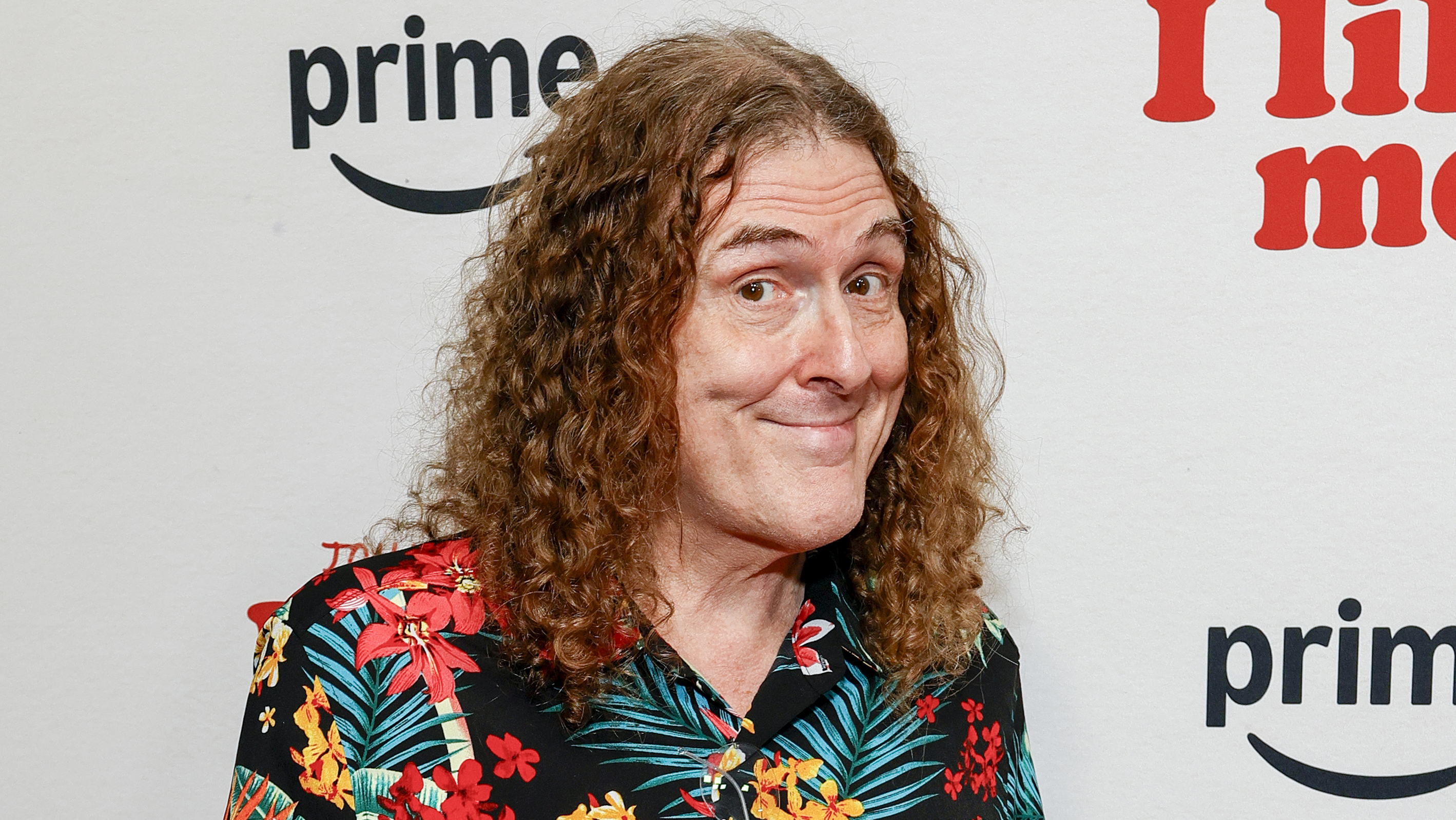
Musical satirist “Weird Al” Yankovic recently rejected a seven-figure offer to perform at the Riyadh Comedy Fest, citing ethical concerns about the host country. Yankovic publicly stated the potential engagement “makes me feel icky,” indicating a moral objection to participating in the event. His decision underscores a growing trend among artists to prioritize ethical considerations over substantial financial incentives.
The Refusal and Its Implications
Yankovic’s refusal of the Riyadh Comedy Fest offer became public on July 23, 2026. The reported sum exceeded seven figures, representing a significant financial opportunity for the artist. His statement about feeling “icky” directly addressed the ethical dilemma he faced.
This decision places Yankovic within a broader conversation about artistic integrity and international performance. Artists frequently navigate complex geopolitical landscapes when considering engagements abroad. The financial rewards of such gigs are often substantial, particularly in regions investing heavily in cultural events.
The Riyadh Comedy Fest, like other large-scale events in the region, aims to attract global talent. These festivals are part of a larger national strategy to diversify economies and enhance international image. However, human rights records and other political considerations often become points of contention for potential performers.
Ethical Stances in the Entertainment Industry
Yankovic is not the first artist to decline a lucrative offer due to ethical concerns. Numerous performers have publicly opted out of engagements in countries with controversial human rights records or political policies. These decisions often spark public debate regarding the role of artists as cultural ambassadors versus moral arbiters.
Some argue that performing in such nations can be a form of cultural exchange, potentially fostering dialogue or change. Others contend that participation legitimizes regimes and overlooks critical issues. Artists often weigh these perspectives carefully, understanding the public scrutiny that follows their choices.
The financial aspect of these decisions is rarely overlooked. Turning down a seven-figure sum signifies a strong commitment to personal or professional ethics. This commitment can resonate with fan bases who value integrity and social consciousness.
The Riyadh Comedy Fest Context
The Riyadh Comedy Fest is one of several large-scale entertainment events hosted in Riyadh. These festivals are part of a broader national initiative aimed at boosting tourism and entertainment sectors. The initiative seeks to transform the nation’s image and economy.
International artists and performers are key components of this strategy. High-profile appearances generate global media attention and attract international visitors. The investment in these events is considerable, reflecting a national commitment to cultural development.
However, the nation’s human rights record has drawn consistent criticism from international organizations. Issues such as freedom of speech, women’s rights, and judicial processes are frequently highlighted. These concerns often become central to artists’ dilemmas regarding performances.
Previous Artistic Boycotts and Protests
Historically, artists have used their platforms to protest various political and social issues. The anti-apartheid movement saw numerous musicians refuse to perform in South Africa. More recently, artists have debated performing in other nations facing international criticism.
These boycotts and refusals often draw significant media attention. They can galvanize public opinion and put pressure on governments. The entertainment industry, with its global reach, provides a powerful stage for such statements.
The decisions are not always unanimous within the artistic community. Some artists choose to perform, arguing for engagement over isolation. Others maintain that a strict ethical stance is necessary to avoid complicity. Yankovic’s choice aligns him with the latter group in this instance.
“Weird Al” Yankovic’s Career and Public Image
“Weird Al” Yankovic has maintained a distinctive public image throughout his career. Known for his musical parodies and original comedic songs, Yankovic has built a reputation for cleverness and good-natured humor. His career spans several decades, marked by consistent success and critical acclaim.
Yankovic’s humor typically avoids controversial political commentary. His parodies often focus on pop culture trends and everyday life. This makes his explicit ethical stance on the Riyadh Comedy Fest particularly noteworthy.
His public persona is generally perceived as wholesome and unproblematic. This long-standing image of integrity may contribute to the weight of his decision. Fans and observers often expect a certain level of moral consistency from artists with such established reputations.
The Artist’s Conscience and Commercial Demands
The tension between an artist’s conscience and commercial demands is a recurring theme in the entertainment industry. Lucrative offers can test an artist’s resolve, particularly when they involve significant sums. The pressure to accept can be immense, both from personal financial interests and industry expectations.
Artists often face a balancing act. They must sustain their careers, which often requires financial stability. Simultaneously, many feel a responsibility to uphold personal values or broader social principles. Yankovic’s decision exemplifies this conflict.
The public’s reaction to such choices can vary. Some commend the artist for their integrity. Others may criticize them for perceived political grandstanding or for missing a chance to influence from within. The discourse surrounding these decisions is rarely simple.
The Evolving Landscape of Global Entertainment
The global entertainment landscape is continuously evolving. Digital platforms and international festivals have expanded opportunities for artists to reach diverse audiences. This expansion, however, also brings increased scrutiny of performance venues and host nations.
Artists’ contracts increasingly include clauses related to moral conduct and public image. These clauses reflect the heightened awareness of how an artist’s actions can impact their brand and the brands associated with them. Ethical considerations are becoming an integral part of career management.
The role of social media in amplifying these discussions cannot be overstated. News of an artist’s decision, whether to accept or decline a gig, can spread globally within minutes. This rapid dissemination of information ensures that such choices are made in a highly visible public arena.
Future Trends in Artistic Engagement
The trend of artists publicly evaluating the ethics of their performance venues is likely to continue. As global awareness of human rights and political issues grows, so too will the pressure on artists to take informed stances.
This could lead to more transparent discussions between artists, their representatives, and event organizers. It may also influence how nations and organizations structure their cultural outreach programs. The goal might shift from merely attracting talent to ensuring ethical alignment.
Ultimately, decisions like “Weird Al” Yankovic’s contribute to a broader cultural dialogue. They prompt reflection on the responsibilities of public figures and the values that underpin the entertainment industry. The choice to forgo a seven-figure sum for moral reasons sends a clear message.
Artists make choices. Festivals make offers. The world observes.
Integrity.