
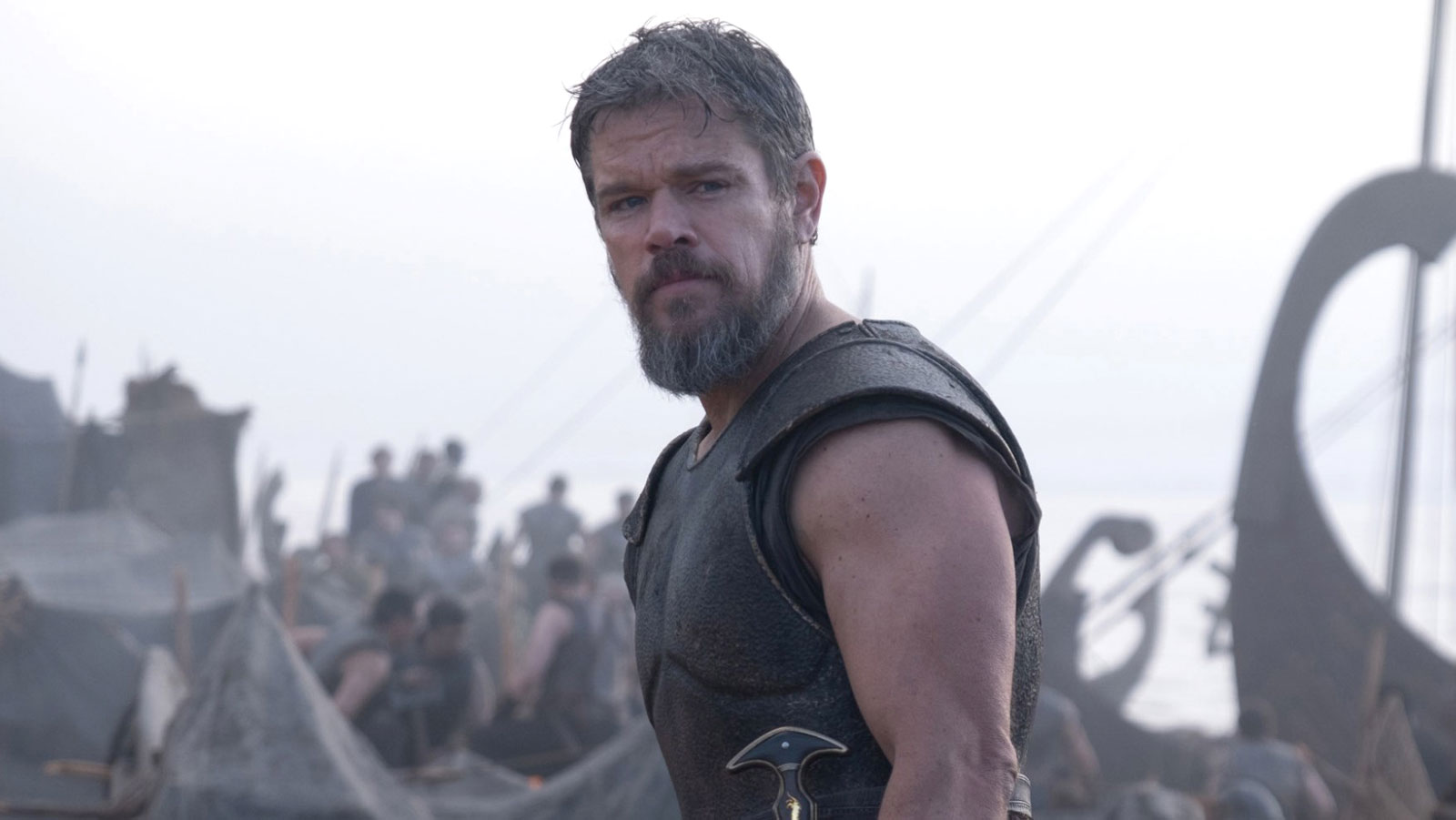
Universal Pictures confirmed the unauthorized online leak of content related to its forthcoming film, ‘The Odyssey,’ on July 27, 2026. The studio acknowledged the illicit distribution of material online, signaling a setback for its release strategy and reigniting concerns about digital piracy within the entertainment industry. This event underscores the continuous battle major film studios face in protecting their intellectual property from widespread unauthorized sharing.
The incident surrounding ‘The Odyssey’ is not an isolated occurrence. The entertainment industry has grappled with content leaks for decades, a problem exacerbated by the proliferation of digital distribution channels and peer-to-peer sharing technologies. Such leaks can severely impact a film’s box office performance and ancillary revenue streams, costing studios millions of dollars in potential earnings.
The Nature of the Leak
Details regarding the specifics of ‘The Odyssey’ leak remain under investigation. Universal Pictures has not publicly disclosed whether the leaked material constitutes a full cut of the film, raw footage, or promotional assets. The studio’s immediate response focused on acknowledging the breach and initiating procedures to mitigate further unauthorized distribution.
Online communities and file-sharing platforms quickly became points of discussion and potential dissemination for the leaked content. Cybersecurity experts suggest that such leaks can originate from various points within the production and distribution pipeline, including post-production facilities, marketing agencies, or even internal breaches.
Economic Impact of Piracy
The economic ramifications of digital piracy are extensive. For a film like ‘The Odyssey,’ which likely represents a substantial investment in production and marketing, an early leak can erode its commercial viability. Box office receipts, streaming subscriptions, and home entertainment sales are all susceptible to decline when content is freely available through illicit channels.
Beyond direct revenue losses, leaks can damage a film’s critical reception and public perception. The viewing experience of a highly anticipated movie can be compromised by poor-quality pirated versions, affecting audience engagement and word-of-mouth promotion. This ripple effect can extend to future projects from the same studio or creative team.
Studio Investments in Security
Film studios, including Universal Pictures, invest significant resources in cybersecurity measures to protect their valuable intellectual property. These measures include encrypted digital workflows, secure servers, stringent access controls for personnel, and advanced watermarking technologies to trace content. Despite these efforts, sophisticated cyberattacks and internal vulnerabilities continue to pose challenges.
The cost of implementing and maintaining these security protocols is substantial. Studios must continually adapt to evolving digital threats, often engaging third-party cybersecurity firms specializing in media protection. The ‘The Odyssey’ leak suggests that even robust security frameworks can be breached.
Legal and Remedial Actions
Upon confirming the leak, Universal Pictures likely initiated a series of legal and technical actions. These typically include issuing Digital Millennium Copyright Act (DMCA) takedown notices to websites hosting the pirated content, engaging anti-piracy firms to monitor online distribution, and potentially pursuing legal action against individuals or groups responsible for the leak.
International cooperation is often required, as pirated content can quickly spread across global networks and jurisdictions. The legal battle against digital piracy is complex, involving intellectual property law, cybercrime legislation, and international treaties. The effectiveness of these measures varies, but they remain critical tools for studios.
The Role of Technology in Piracy
Advances in technology have simultaneously enabled and complicated the fight against piracy. While digital distribution offers convenience and reach, it also makes unauthorized copying and sharing easier than ever before. High-speed internet, anonymity tools, and encrypted messaging platforms facilitate rapid dissemination of leaked material.
Conversely, technology also provides tools for detection and enforcement. Artificial intelligence and machine learning algorithms are increasingly used to scan the internet for pirated content, identify sources, and automate takedown requests. The ongoing cat-and-mouse game between pirates and content protectors is defined by this technological arms race.
Historical Context of Content Leaks
The history of content leaks predates the digital age, with physical copies of films and music occasionally making their way into unauthorized hands. However, the scale and speed of dissemination dramatically increased with the advent of the internet. Notable film leaks in previous decades include early cuts of major blockbusters, sometimes months before their theatrical release.
These historical incidents have shaped the industry’s approach to security, leading to stricter controls and increased awareness among production teams. The ‘The Odyssey’ leak serves as a reminder that despite decades of experience, vulnerabilities persist in an increasingly interconnected world.
Impact on Creative Control
Beyond financial implications, content leaks can impact creative control. Directors and producers often meticulously craft the final version of a film, and an early, unauthorized release can present an unfinished or unapproved cut to the public. This can distort audience perception and undermine the artistic vision of the creators.
The integrity of the creative process is paramount for filmmakers. Leaks can create pressure to alter release schedules, rush post-production, or modify marketing campaigns, all of which can compromise the artistic and commercial potential of a project. The ‘The Odyssey’ team will now contend with these potential challenges.
The Future of Content Security
The incident involving ‘The Odyssey’ will likely prompt further evaluation of content security protocols across the industry. This could lead to the adoption of new technologies, enhanced employee training programs on data security, and stricter contractual obligations for all parties involved in a film’s production and distribution.
Collaboration between studios, technology providers, and law enforcement agencies is also crucial. Sharing intelligence on emerging threats and developing collective strategies can strengthen the industry’s resilience against piracy. The goal is to create an ecosystem where intellectual property is protected effectively, allowing creators and distributors to realize the full value of their work.
Universal Pictures acknowledged the breach. Cybersecurity teams mobilized. Legal departments prepared responses.
The industry watched.
Piracy continued.
Hollywood.