
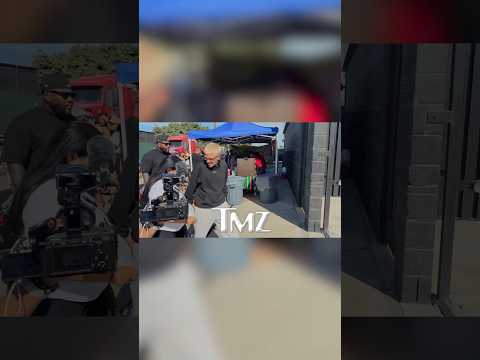
Influencer N3on and professional boxer Ryan Garcia recently participated in a car wash event designed to support families affected by actions from U.S. Immigration and Customs Enforcement (ICE).
This event brought together community members and public figures to provide assistance and raise awareness for those navigating the complexities of immigration policies and enforcement in the United States.
The Intersection of Celebrity and Social Activism
The involvement of figures like N3on and Ryan Garcia in community support initiatives underscores a trend of public personalities leveraging their influence for social causes. N3on, known for his online presence and streaming content, commands a significant following across various digital platforms.
Ryan Garcia, a prominent figure in professional boxing, also possesses a substantial platform, particularly among younger demographics and sports enthusiasts. Their joint appearance at the car wash event amplified its reach and message beyond local communities.
Such collaborations draw attention to issues that might otherwise receive less mainstream media coverage. By participating directly, these individuals offer tangible support and a visible endorsement for the cause.
The car wash event itself serves multiple purposes. It functions as a fundraiser, with proceeds often directed towards legal aid, financial assistance, or humanitarian support for affected families.
Beyond fundraising, these events also provide a space for community gathering and solidarity. They can help reduce feelings of isolation among those directly impacted by immigration enforcement.
The Role of Immigration and Customs Enforcement (ICE)
U.S. Immigration and Customs Enforcement (ICE) is a federal law enforcement agency under the Department of Homeland Security (DHS). Its primary mission involves enforcing immigration laws, investigating transnational crime, and ensuring public safety.
ICE operations include arrests, detentions, and deportations of individuals found to be in violation of U.S. immigration statutes. These actions often have significant and immediate impacts on families, leading to separations and financial hardship.
The agency’s activities frequently become subjects of public debate, with supporters emphasizing national security and legal compliance, while critics often highlight humanitarian concerns and civil liberties.
The car wash event specifically aimed to support families who have experienced the direct consequences of ICE enforcement. This includes families where a primary wage earner has been detained or deported, leading to economic instability and emotional distress.
Organizations dedicated to immigrant rights and support often collaborate with community leaders and public figures to raise funds and awareness. These partnerships are crucial for sustaining support networks for vulnerable populations.
Community Support Initiatives and Their Impact
Community support initiatives, like the car wash involving N3on and Ryan Garcia, play a vital role in addressing immediate needs and fostering long-term resilience within affected communities. These events are often grassroots efforts, organized by local volunteers and non-profit organizations.
The funds raised at such events can be critical for families facing sudden financial burdens. This might include legal fees for immigration proceedings, housing assistance, or basic living expenses when a family member’s income is disrupted.
Beyond financial aid, these gatherings provide emotional and psychological support. They send a message to affected families that they are not alone and that their struggles are recognized by a wider community.
The visibility brought by public figures also helps to destigmatize discussions around immigration. It can encourage a more empathetic public discourse regarding the challenges faced by immigrant communities.
The Power of Digital Platforms
N3on’s presence, in particular, highlights the evolving role of digital platforms in social activism. Livestreaming, social media posts, and viral videos can disseminate information and calls to action to millions of people instantly.
This digital reach allows for rapid mobilization of resources and volunteers. It also enables a broader audience to witness and engage with social issues that might otherwise remain localized.
The content generated from such events, whether it be short video clips or longer form documentaries, serves as a powerful tool for advocacy. It can humanize complex issues and provide direct testimonies from those affected.
Ryan Garcia’s involvement also taps into a different, yet equally influential, audience. His status as a professional athlete lends credibility and a sense of mainstream appeal to the cause.
The combination of an internet personality and a sports star creates a unique cross-platform appeal, maximizing the event’s potential for impact and awareness.
Broader Implications for Immigration Discourse
The car wash event, while a localized effort, contributes to a larger national conversation about immigration and border policies. The actions of ICE and other federal agencies are subjects of ongoing debate in the United States.
Advocates for immigrant rights frequently call for reforms to immigration laws, emphasizing pathways to citizenship, family reunification, and due process protections. Conversely, proponents of stricter enforcement prioritize border security and adherence to existing legal frameworks.
Events like the one supported by N3on and Ryan Garcia bring these often abstract policy debates into a tangible, human context. They highlight the personal stories and family impacts that are central to the immigration discussion.
The event also serves as a reminder of the diverse coalitions that form around immigration issues. These coalitions often include religious organizations, civil rights groups, legal aid societies, and community activists.
The participation of public figures can galvanize new segments of the population to engage with these issues, moving them from the periphery of public consciousness to a more central position.
The Role of Media in Shaping Perceptions
The media’s portrayal of such events is crucial in shaping public perception. When outlets like TMZ cover these initiatives, it amplifies the message and informs a broad audience about the ongoing challenges faced by immigrant families.
Positive coverage can encourage further donations, volunteerism, and advocacy. It can also counteract negative stereotypes often associated with immigrant communities.
The short video clip format, as seen on platforms like YouTube Shorts, allows for quick, impactful dissemination of information. These snippets can capture the essence of an event and convey its emotional weight efficiently.
Such media exposure is a strategic component of many advocacy efforts. It transforms a local event into a national talking point, even if for a brief period.
The sustained efforts of various organizations, coupled with the periodic involvement of high-profile individuals, contribute to a continuous push for policy changes and increased humanitarian aid.
Looking Forward: Continued Engagement
The car wash event is one example in a continuum of efforts to support immigrant families. Many organizations operate year-round, providing essential services and advocacy.
These services range from legal clinics offering free or low-cost representation to educational programs designed to inform immigrants of their rights and resources.
The engagement of public figures is not a one-time solution but rather a catalyst that can inspire ongoing support and participation from their followers and the broader public.
As immigration remains a complex and often contentious issue in the United States, the need for community support and advocacy will likely persist. Events like this car wash illustrate the human-centered approach many take to address the issue.
The collective efforts of influencers, athletes, community organizers, and everyday citizens contribute to a network of support that aims to alleviate the challenges faced by families affected by immigration enforcement.
Advocates continue to push for comprehensive immigration reform that balances national security concerns with humanitarian principles. The stories highlighted by these events often serve as powerful arguments in that ongoing debate.
The car wash. The community. The families. The support. The solidarity.
Hope.