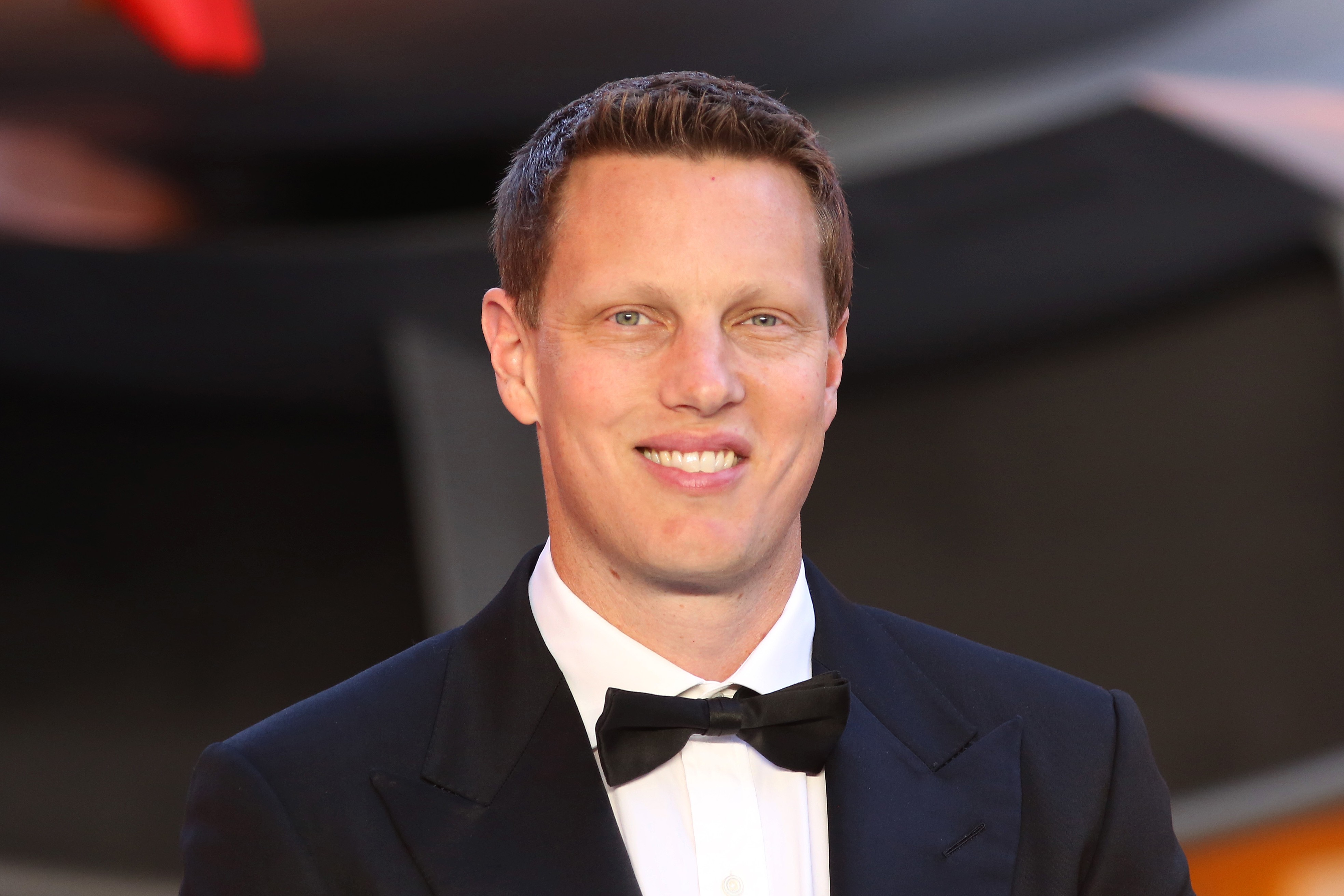
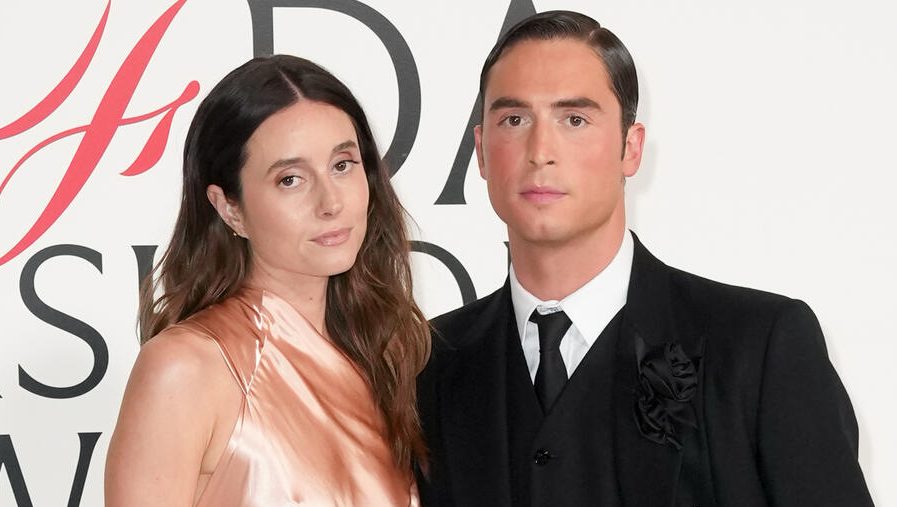
Mary Beth Barone and Benito Skinner, co-hosts of the podcast ‘Ride,’ continue to host their podcast ‘Ride’ with Dear Media, with no reports of a contract termination attempt. This effort stemmed from their stated inability to reconcile their personal political beliefs with those of Dear Media’s Chief Executive Officer. The dispute underscores a growing trend where public figures evaluate their business associations based on the perceived values and political stances of their partners.
The situation brought attention to the complexities of creative partnerships in the entertainment industry. It also highlighted the increasing demand from audiences and artists alike for alignment between personal ethics and corporate affiliations.
The ‘Ride’ Podcast and its Hosts
The podcast ‘Ride’ features comedians Mary Beth Barone and Benito Skinner. It established a following for its comedic take on various contemporary issues and personal anecdotes. Both Barone and Skinner maintain active presences on social media platforms and through their individual comedic works.
Their collaboration on ‘Ride’ brought together their distinct comedic styles. The podcast became a platform for their perspectives. This platform, however, became complicated by the reported political disagreements.
Dear Media’s Role in Podcast Production
Dear Media is a prominent podcast network known for producing and distributing a diverse range of audio content. The company works with numerous personalities and influencers across various genres. It provides production, marketing, and monetization services for its affiliated podcasts.
The network’s business model relies on fostering relationships with creators. These relationships are typically governed by contractual agreements. Such agreements outline the terms of collaboration, including distribution rights, revenue sharing, and duration of partnership.
Political Disagreements Emerge
The core of the dispute between Barone, Skinner, and Dear Media centered on political differences. Specifically, the hosts reportedly found the political views of Dear Media’s CEO to be incompatible with their own. This incompatibility led to their desire to exit the contractual arrangement.
Such disagreements are becoming more frequent in the public sphere. They often involve public figures taking stances against individuals or organizations whose views diverge significantly from their own. The entertainment industry, in particular, has seen multiple instances of these kinds of value-based conflicts.
The Impact of CEO’s Stance
The CEO’s political stance, while not explicitly detailed in public reports, was significant enough to prompt the ‘Ride’ hosts’ actions. In today’s media landscape, the personal views of corporate leaders can heavily influence public perception of their companies. This extends to the artists and creators associated with those companies.
For many public figures, aligning with a company whose leadership holds conflicting political views can be detrimental to their personal brand. It can also alienate portions of their audience. This pressure often forces creators to make difficult decisions about their professional alliances.
Attempted Contract Termination
Barone and Skinner reportedly made attempts to terminate their contract with Dear Media. Contractual agreements in the entertainment industry are legally binding. Terminating them prematurely often involves complex negotiations and potential legal ramifications.
The specifics of their attempts to ‘get out’ of the contract were not fully disclosed. However, such actions typically involve discussions between legal representatives of both parties. These discussions aim to find a mutually agreeable resolution or to determine the legal grounds for termination.
Legal and Financial Implications
Exiting a podcast contract prematurely can carry significant legal and financial consequences. Contracts often include clauses regarding early termination, which may involve penalties, liquidated damages, or obligations to fulfill remaining commitments.
For podcast networks, losing a successful show can impact revenue and market position. For hosts, an early exit might mean a temporary loss of platform or income. These factors add layers of complexity to such disputes.
‘Hard to Reconcile That’ – A Statement of Principle
Mary Beth Barone’s reported statement, describing the situation as ‘hard to reconcile that,’ encapsulates the ethical dilemma faced by the hosts. This phrase suggests a fundamental clash of values that could not be easily overlooked or resolved through compromise.
The decision to prioritize personal values over professional obligations, or at least to attempt to, reflects a broader cultural shift. More individuals, particularly those in the public eye, are willing to take principled stands. They do so even when it comes at a potential professional cost.
Cultural Defense and Celebrity Accountability
This incident falls within the realm of ‘cultural defense.’ This term describes the act of public figures or groups defending their values against perceived threats or contradictions. It involves taking action when corporate or individual actions conflict with deeply held beliefs.
Celebrity accountability has become a significant factor in public discourse. Audiences and fellow creatives increasingly expect public figures to align their professional choices with their stated moral and political positions. Inconsistent alignment can lead to criticism and a loss of credibility.
The Broader Landscape of Content Creation
The case of Barone and Skinner illustrates challenges within the modern content creation industry. As platforms proliferate, creators gain more autonomy. However, they also face increased pressure to navigate complex ethical and political landscapes.
Podcast networks, streaming services, and social media platforms often find themselves at the center of these debates. Their business decisions and the public statements of their leadership are subject to intense scrutiny. This scrutiny comes from both their talent and their audience.
Creator Economy and Ethical Alignment
The rise of the creator economy empowers individual artists. It also places a greater burden on them to vet their partners. Ethical alignment is no longer a peripheral concern; it is central to sustainable brand building for many creators.
This means that contracts are not just about financial terms or distribution reach. They are also about shared values. This shift affects how talent scouts, agents, and legal teams approach new partnerships.
Precedent and Future Implications
The efforts by Barone and Skinner to terminate their contract due to political differences could set a precedent. It suggests that value-based conflicts are becoming a legitimate ground for seeking renegotiation or termination of agreements. This is especially true in industries where personal brand and public image are paramount.
Future contracts in the entertainment and media sectors may need to explicitly address clauses related to ethical or political disagreements. This could provide clearer pathways for resolution or separation when such conflicts arise.
The Role of Social Media
Social media amplifies these disputes. It provides a direct channel for creators to voice their concerns. It also allows audiences to react and exert pressure. This public dimension adds another layer of complexity to private contractual disagreements.
The immediate and widespread dissemination of information on platforms like X (formerly Twitter), Instagram, and TikTok can quickly turn a private dispute into a public debate. This further compels companies and individuals to address these issues transparently.
Conclusion
The reported attempt by Mary Beth Barone and Benito Skinner to exit their Dear Media contract over political differences highlights a significant trend. It shows the increasing importance of ethical and political alignment in professional partnerships. It demonstrates the complexities that arise when personal values clash with corporate affiliations. This situation reflects a broader cultural demand for accountability. It also shows a growing willingness among public figures to act on their convictions. The entertainment industry continues to grapple with these evolving dynamics. The ‘Ride’ podcast hosts’ actions underscore the principle that for some, certain beliefs are simply too ‘hard to reconcile.’
Comedians gathered. Audiences observed. Contracts were scrutinized.
Accountability.